
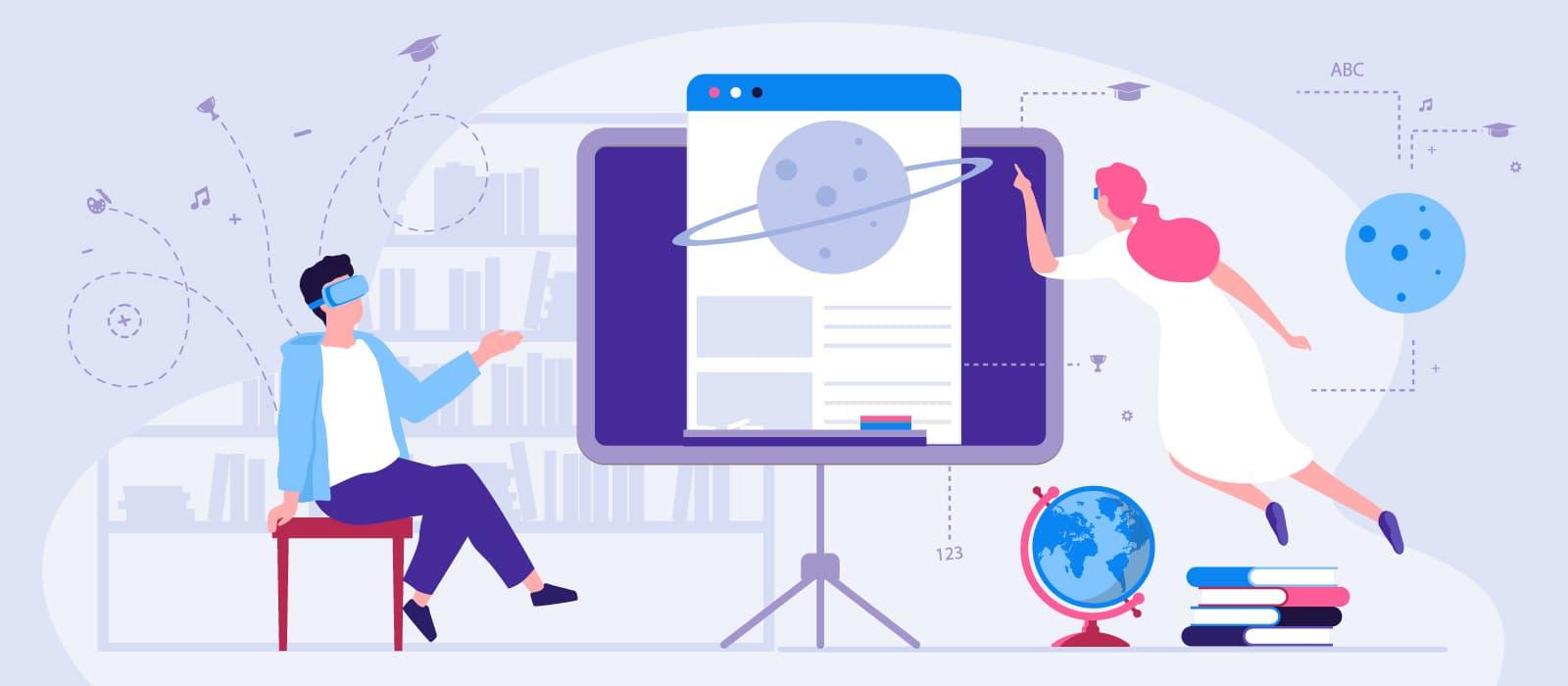
mastering VR/AR in Education: Effective Teacher Training for Next-Gen Classrooms
Virtual and Augmented Reality (VR/AR) are reshaping the landscape of modern education. As more schools and universities adopt these immersive technologies, the demand for skilled educators who can seamlessly integrate VR/AR in education is at an all-time high. In this comprehensive guide, we’ll explore effective teacher training strategies, the transformative benefits of VR/AR, real-world case studies, and actionable tips to help educators thrive in next-generation classrooms.
Introduction: Why VR/AR is the Future of Teaching
Imagine history lessons where students walk through ancient Rome, or biology sessions where learners manipulate 3D models of the human heart. This isn’t science fiction—it’s the reality of next-gen classrooms powered by Virtual Reality (VR) and Augmented Reality (AR).
However, the transition to immersive technology isn’t just about having cutting-edge gadgets. It requires masterful teacher training to unlock the full potential of VR/AR in education. Here’s how educators can step confidently into the future.
the Benefits of VR/AR in Education
- Enhanced Engagement: VR/AR experiences captivate students,making learning interactive and memorable.
- Deeper Understanding: Complex subjects become accessible and tangible through immersive visuals and simulations.
- Differentiated Instruction: VR/AR allows for personalized learning pathways, catering to diverse learning styles.
- Real-World Skill Development: Simulations build practical skills—from science labs to language learning—within safe, virtual environments.
- Global Collaboration: Students and teachers connect and collaborate across distances in shared virtual spaces.
Challenges in Integrating VR/AR in Next-Gen classrooms
Despite numerous advantages, the prosperous integration of VR/AR in the classroom is not without challenges:
- Technical Complexity: Understanding and operating VR/AR hardware and software requires specialized skills.
- Resource Constraints: Budget limitations may affect access to devices and training modules.
- Curriculum Alignment: Educators must ensure VR/AR experiences meet learning objectives and standards.
- Teacher Readiness: Not all teachers are instantly comfortable with emerging tech, underscoring the need for comprehensive training programs.
Effective Teacher Training Strategies for VR/AR Integration
To maximize the impact of VR/AR in education, teacher training programs should be thoughtfully crafted. Here are essential strategies every institution should consider:
1. Hands-On workshops and Interactive Demos
Allow educators to experience VR/AR technologies firsthand. Interactive labs and demonstrations foster confidence and spark creative lesson ideas. Scheduled refresher sessions help teachers stay updated as technology evolves.
2. Online Learning Platforms and Microlearning Modules
Online teacher training for VR/AR offers adaptability and accessibility. Bite-size video tutorials, web-based simulations, and mobile learning make it easy for teachers to upskill on their schedule.
3. Peer Mentoring and Collaborative Learning
Establishing cross-functional teaching teams allows experienced ‘tech champions’ to mentor colleagues. Regular collaborative sessions foster a culture of innovation and accelerated learning.
4. Integration with Curriculum Development
Effective training links VR/AR tools with curriculum goals. Workshops should focus on aligning immersive tech with lesson objectives, assessment strategies, and classroom management.
5. Ongoing Technical Support
Providing teachers with dedicated IT support and troubleshooting resources ensures smooth adoption and long-term success.Don’t underestimate the importance of prompt assistance and helpful documentation.
Practical Tips for Teachers: Getting Started with VR/AR in Education
Ready to bring VR and AR into your classroom? These practical steps will help you start strong:
tip 2: Explore Free Resources. Plenty of high-quality VR/AR apps are free or low-cost, such as Google Expeditions or Merge EDU.
Tip 3: Integrate with Existing Lessons. Identify current topics that would benefit from visualization, and try augmenting them first.
Tip 4: Solicit Student Feedback. Your students are digital natives—ask for their input on what works well and what doesn’t.
Tip 5: Pace Yourself. Master new tools gradually to avoid feeling overwhelmed, leveraging peer support along the way.
Case Studies: VR/AR Teacher Training in Action
Case Study #1: Empowering STEM Teachers with Virtual Labs
Riverbend High School partnered with a leading ed-tech provider to launch a VR science lab pilot program.Teachers attended hands-on workshops where they learned to run virtual experiments replicating real chemical reactions. After three months,87% of participating teachers reported higher student engagement and expressed greater confidence in facilitating STEM topics.
Case Study #2: Language Learning through Augmented Reality
In Barcelona, an elementary language school introduced AR flashcards and storytelling apps to support immersive Spanish-English instruction. As part of ongoing coaching, teachers shared lesson plans and classroom videos, enabling continuous improvement. The result? A 32% boost in vocabulary retention and excited student participation.
Case Study #3: Collaborative Professional Development Model
At Oakridge Middle School, a ‘train the trainer’ model was adopted. Selected teachers became VR/AR ambassadors, receiving advanced training before cascading knowledge to colleagues in interactive peer sessions. This scalable approach ensured every teacher had access to tailored support while cultivating a strong tech-savvy culture across the school.
first-Hand Teacher Experience: Lessons Learned
“My students were instantly curious when I introduced VR field trips,” says Sara Thompson, a 7th-grade social studies teacher. “Training helped me learn not only the technical side, but also how to weave thoughtful questions and activities into the journey.VR made ancient civilizations come alive—but it was my teaching that turned it into deeper learning.”
Sara’s advice? embrace creativity,experiment with short pilots,and never hesitate to seek support from your school’s tech leaders or online educator groups.
The Role of School Leadership in Teacher Training
Effective implementation of VR/AR in next-gen classrooms hinges on supportive leadership:
- Prioritize Professional Development: Allocate dedicated time and funding for teacher training programs on immersive technology.
- Foster an Innovative Culture: Encourage experimentation and recognize early adopters as role models.
- Monitor and Assess: Use feedback tools and classroom observation to refine training strategies and ensure positive outcomes.
Conclusion: Preparing Educators for the Future of Learning
Mastering VR/AR in education isn’t just about tech adoption—it’s about empowering teachers to be confident, creative, and collaborative guides for their students. With thoughtful training, effective support systems, and a pioneering spirit, educators can transform traditional instruction into immersive, impactful learning journeys.
Whether you’re just starting out or leading your school’s technology strategy, remember: the future of learning will be experiential, engaging, and powered by VR/AR. Through strategic teacher training and a growth mindset, every next-gen classroom can become an inspiring space for discovery.
Looking for more ideas or ready to start your school’s VR/AR journey? Follow our blog or subscribe to our newsletter for the latest tips, training resources, and success stories from educators around the world.