
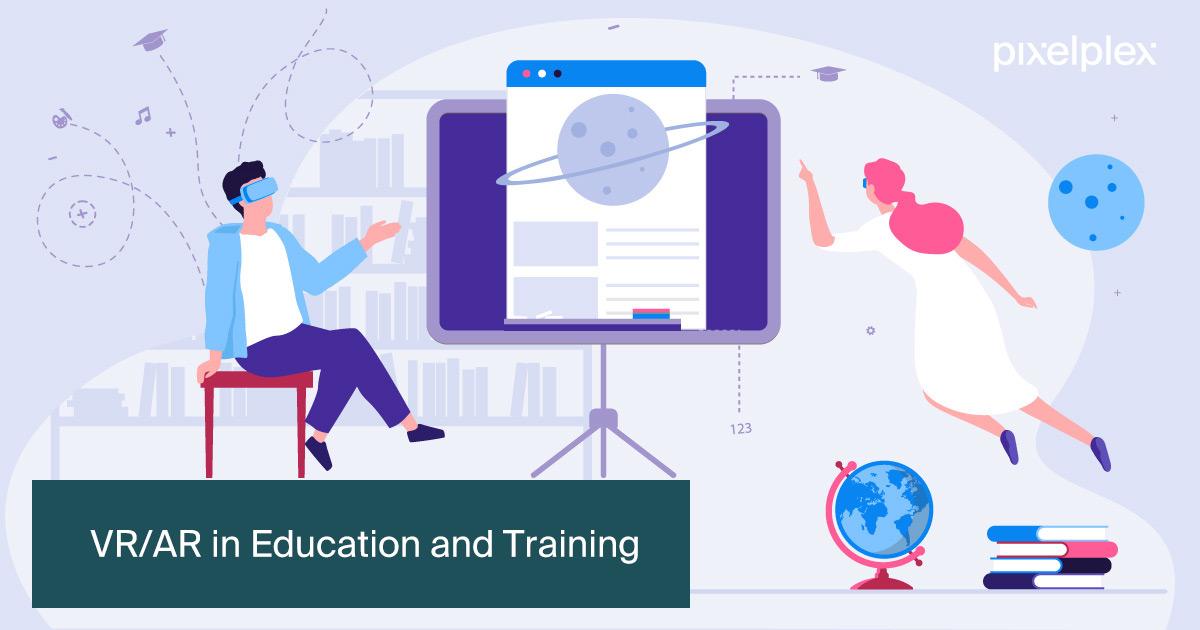
Mastering VR/AR in Education: Effective Teacher Training Strategies for 2024
The integration of Virtual Reality (VR) and Augmented Reality (AR) in classrooms is revolutionizing education. As we advance into 2024, the demand for effective VR/AR teacher training has never been higher. Teachers are key to unlocking the full potential of immersive technology in education,shaping unique learning experiences that captivate and empower students. in this thorough guide, we will explore best practices for teacher training in VR/AR, showcase real-world case studies, and offer actionable tips to help educators thrive in the digital classroom.
Why VR/AR is Transforming Education in 2024
VR and AR technologies are reshaping the educational landscape by enabling interactive, immersive, and personalized learning experiences. Here are some reasons why these technologies are vital for 21st-century education:
- Enhanced Engagement: Immersive environments motivate students by making abstract concepts tangible and exciting.
- Active Learning: VR/AR encourages hands-on problem-solving, exploration, and collaboration.
- Inclusive Education: Adaptive scenarios can cater to diverse learning styles and needs.
- Real-world Simulations: From virtual science labs to historic recreations,students gain practical skills in a safe,controlled environment.
- Remote accessibility: Virtual classrooms allow educators to bridge geographical gaps, making quality education more universally accessible.
Challenges Teachers face with VR/AR Integration
Despite the potential, many educators encounter notable hurdles when introducing VR/AR in their teaching practice:
- Lack of Familiarity: Many teachers feel unprepared to use or troubleshoot VR/AR devices and apps.
- Time Constraints: Curriculum demands can make it tough to invest time in mastering new tools.
- Limited Resources: Schools may have budgetary or technical limitations.
- Content Relevance: Not all VR/AR content aligns with curriculum goals.
- Classroom Management: Facilitating immersive experiences while maintaining student focus requires specialized techniques.
These challenges underscore the necessity of robust, ongoing teacher training programs in 2024 and beyond.
Key Features of Effective VR/AR Teacher Training Programs
Preparing educators to lead immersive classrooms requires a thoughtful, structured approach. the most successful VR/AR teacher training programs in 2024 offer these essential components:
- Hands-On Experience: Real-time practice with headsets, AR-enabled devices, and platforms is vital for building confidence.
- Peer Collaboration: Learning through collaboration, sharing successes and challenges, accelerates mastery.
- Curriculum Integration: Guidance on aligning VR/AR activities with teaching objectives ensures technology supports,rather then distracts from,lesson goals.
- technical Troubleshooting Skills: Educators are prepared to address common hardware, software, and connectivity issues.
- Ongoing Support: Access to resources, mentorship, and updates on evolving VR/AR trends keeps teachers empowered.
- Assessment Strategies: Training includes methods to measure student outcomes in virtual and augmented environments.
Effective Teacher Training Strategies for VR/AR Mastery in 2024
What specific strategies drive success in professional development for VR/AR in education? Here are actionable, research-backed approaches:
1. Immersive Workshops & Microlearning
Organize regular, immersive workshops where teachers experience VR/AR as learners before leading their own lessons. Microlearning modules—short,focused training sessions—keep knowledge fresh and manageable.
2. Mentorship and Coaching
Pair novice VR/AR users with experienced mentors. Ongoing coaching accelerates proficiency and boosts teacher confidence in adopting new technologies.
3. Collaborative Communities of Practice
Facilitate online and in-person communities where educators share resources, lesson plans, and classroom management strategies for VR/AR implementation.
4. just-In-Time Learning Resources
Provide on-demand video tutorials, troubleshooting guides, and quick-reference materials. Teachers benefit from support when and where they need it.
5. Game-Based Professional Development
Use gamification to make VR/AR teacher training more engaging. Points, badges, and leaderboards can increase participation and motivation.
6. Scenario-based Assessment
Structure assessments around real classroom scenarios, allowing teachers to practice responses and reflect on best practices within the VR/AR context.
case Studies: VR/AR Teacher Training in Action
to better understand the impact of quality training, here are real-world case studies from innovative schools in 2024:
FutureTech High School, California
- Implemented bi-monthly VR/AR workshops and peer coaching sessions.
- Result: 85% of teachers now integrate AR-based simulations into their science and history lessons, with observed boosts in student engagement and test scores.
EduForward Academy, United Kingdom
- Adopted self-paced VR teaching modules and virtual classroom trials for staff.
- Result: teachers report increased confidence troubleshooting devices and customizing activities, leading to more personalized instruction.
STEM Innovators Charter School, Singapore
- Joined a global community of practice to share VR lesson plans and best practices.
- Result: Faster adoption of new teaching methods and smoother integration of cross-curricular VR experiences.
First-Hand Experiences: Teachers on the frontline
“Before my VR training sessions,I felt intimidated by the technology. The step-by-step workshops and peer support gave me the confidence to experiment.Now, VR storytelling is a staple in my English lessons, and my students are more engaged than ever!”
— Maria Lopez, Middle School English Teacher
“Being able to troubleshoot AR applications on the fly has saved me countless hours in class. The continuous learning model from our district ensures I stay updated and always have a network to turn to for new ideas.”
— James Murray, Primary Science Educator
Practical Tips for Schools Planning VR/AR Teacher Training
- Start Small: Pilot new VR/AR initiatives with a core group before scaling up school-wide.
- Connect with Vendors: Work closely with technology vendors for product training and troubleshooting support.
- Prioritize Accessibility: Ensure training materials are accessible to teachers of varying technical skill levels and provide accommodations as needed.
- Evaluate and Adapt: Regularly assess the effectiveness of training and solicit teacher feedback to inform future sessions.
- Celebrate Successes: Highlight exemplary teachers and innovative lessons to inspire wider adoption.
conclusion: Empowering Educators for the Immersive Future
As VR and AR technologies become integral to classrooms in 2024 and beyond, effective teacher training is the linchpin for success. by investing in structured professional development, fostering communities of practice, and emphasizing practical application, schools can empower educators to master immersive technology confidently. When teachers thrive in VR/AR integration, students reap the benefits—unlocking creativity, improving outcomes, and preparing for the challenges of tomorrow’s world.
ready to lead the way in VR/AR education? Start building your teacher training program today and shape the future of learning.