
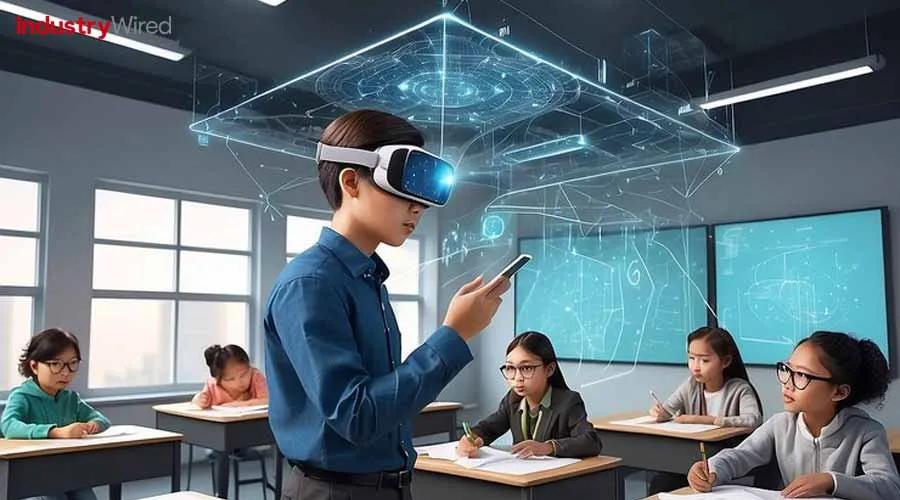
Mastering VR/AR in Education: Effective Teacher Training Strategies for Immersive Classroom success
The landscape of education is rapidly evolving, with immersive technologies like Virtual Reality (VR) and Augmented reality (AR) revolutionizing classroom experiences. As schools increasingly adopt VR/AR solutions, the need for effective teacher training strategies has never been more important. Empowering educators with the tools and knowledge to seamlessly integrate immersive technologies paves the way for classroom success and enriched student learning.
In this comprehensive guide, we’ll delve into the benefits of VR/AR in education, highlight accomplished cases, and, most importantly, provide proven strategies and tips for mastering immersive technology through efficient teacher training programs.
why VR/AR in Education Matters
VR and AR are not just buzzwords; they’re powerful tools transforming how students learn and teachers instruct. Here’s why implementing VR/AR in the classroom is essential:
- Enhanced Engagement: Immersive environments captivate students, leading to deeper learning and increased participation.
- concrete Visualization: Challenging concepts—such as anatomy,historical events,or scientific phenomena—come to life,turning abstract ideas into tangible experiences.
- Personalized Learning: VR/AR offers adaptive experiences, catering to diverse learning styles and abilities.
- Global Connectivity: Students can participate in virtual field trips, collaborate globally, and gain exposure that’s impossible within traditional settings.
Realizing these benefits hinges on effective teacher training in VR/AR, ensuring educators have the skills, confidence, and creativity to deploy immersive tools seamlessly.
Challenges in Integrating VR/AR: What Teachers Face
Despite the rewards,integrating VR/AR into education comes with its own set of challenges.Addressing these hurdles through targeted teacher training is crucial for immersive classroom success:
- Technical Barriers: From device setup to troubleshooting, educators must navigate complex technology they might potentially be unfamiliar with.
- Curriculum Alignment: Learning how to link VR/AR experiences with curriculum goals and standards is not always straightforward.
- Time Constraints: Teachers are often short on time for professional development activities.
- Resource Availability: access to appropriate content, hardware, and support is inconsistent between schools.
Comprehensive teacher training programs address these pain points, equipping teachers with practical skills while aligning immersive technology with learning objectives.
Effective Teacher Training Strategies for VR/AR Mastery
Whether you’re just starting or looking to enhance your school’s VR/AR programs, these essential strategies form the foundation of successful teacher training:
1. Hands-On, Experiential Workshops
- Host interactive sessions were teachers experience VR/AR themselves, experimenting with lesson plans and hardware firsthand.
- Encourage learning by doing, simulating real classroom scenarios within immersive environments.
2. focus on Pedagogy First
- Start with pedagogical frameworks before technology—showcase how VR/AR supports learning outcomes and student engagement.
- Highlight best practices for integrating immersive experiences into everyday teaching.
3. Scaffolding and ongoing Support
- Implement step-by-step training, beginning with easy-to-use applications and moving toward more complex scenarios.
- Offer continuous professional development,mentorship programs,and peer learning communities for sharing resources and troubleshooting.
4. Collaboration and Co-Creation
- Foster opportunities for teachers to collaborate on lesson design and share success stories.
- Encourage contributions to open educational resources (OER) and co-creation of VR/AR content tailored to curricula.
5. Leverage Online Modules and Microlearning
- Offer flexible, bite-sized microlearning modules for busy educators.
- Utilize online platforms for asynchronous learning, ensuring access to up-to-date content on both VR/AR hardware and software.
case Study: Transforming Science Learning Through AR
A middle school in Texas launched an AR-enhanced biology curriculum, focusing on human anatomy.
- Teachers received five weeks of blended training (onsite workshops, followed by online peer mentorship).
- After the program, 90% of participating teachers reported increased confidence in using AR tools for lesson delivery.
- Students demonstrated a 38% enhancement in test scores on topics covered through AR experiences compared to traditional methods.
This success story underlines the transformative impact of effective teacher training in AR—improving not just teacher proficiency, but also student learning outcomes.
First-Hand Experience: A Teacher’s Outlook on Mastering VR
“At first, I was intimidated by the idea of using VR with my students. The training sessions made all the difference—they let me experiment, ask questions, and get comfortable with the technology before stepping into the classroom. Now, my history lessons transport students to ancient Rome, and their excitement is off the charts!”
– Ms. carla Robinson, 7th Grade Social studies Teacher
Practical Tips for Ongoing Success with VR/AR in Education
- Stay updated with the latest VR/AR apps and best practices by joining educator forums or following EdTech blogs.
- Start small: pilot immersive lessons with one class or subject to build confidence.
- Leverage student tech leaders: Train eager students as peer-tech support within the classroom.
- Collect feedback: Use surveys and informal discussions to gather insights from students and refine your approach.
- Connect with your IT team: Ensure smooth technical integration and fast troubleshooting.
Conclusion: Building the immersive Classroom of the Future
Mastering VR/AR in education goes beyond simply having the latest devices. It requires well-crafted teacher training strategies, ongoing support, and a collaborative mindset. When educators are empowered to leverage immersive technology, classrooms become vibrant environments where engagement, creativity, and understanding reach new heights.
By investing in high-quality professional development for VR/AR, schools can equip teachers to lead future-ready classrooms. Start small, build confidence, and watch as immersive learning transforms education—one lesson at a time.