
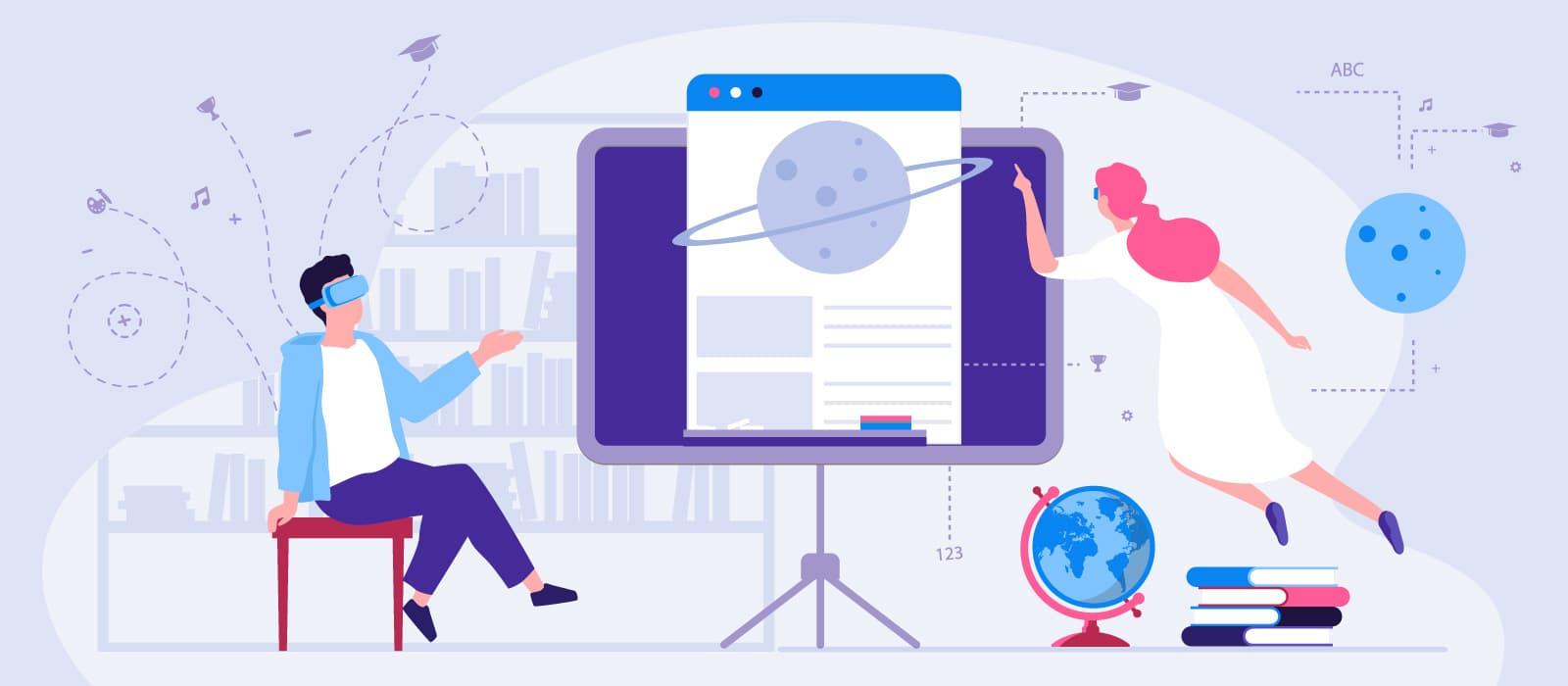
Mastering VR/AR in education: Effective Teacher Training Strategies for Immersive Tech Integration
Virtual Reality (VR) and Augmented Reality (AR) technologies are revolutionizing the landscape of education, bringing lessons to life and engaging students in unprecedented ways. However, the prosperous integration of immersive technology hinges on one critical factor: well-prepared and confident teachers. in this comprehensive guide, we’ll dive into the essentials of VR/AR teacher training, outline best practices for immersive tech integration, share inspiring case studies, and provide actionable strategies to make your classroom truly future-ready.
Why VR/AR in Education? Unlocking the Benefits of Immersive Learning
The adoption of VR and AR in educational settings has skyrocketed over recent years. These technologies:
- Enhance student engagement with interactive and experiential lessons.
- Facilitate complex concept visualization, making abstract ideas more understandable.
- Personalize learning by accommodating multiple learning styles and paces.
- Foster collaboration through shared virtual or augmented experiences.
- Prepare students for digital futures by developing tech-savvy mindsets.
However, the potential benefits of VR/AR in education can only be realized if teachers are equipped with the knowledge, skills, and confidence to leverage these tools effectively. This brings us to the heart of our topic: effective teacher training strategies for immersive tech integration.
Effective Teacher training Strategies for VR/AR Integration
For educators to become adept at using VR/AR in the classroom, strategic and supportive professional development is vital. Here’s how to design and implement training that actually works:
1.Start with Foundational Knowledge
- Introduce the basics of VR and AR, including definitions, differences, and classroom potential.
- Showcase examples aligned with various subjects and grade levels.
- Encourage questions and build curiosity around immersive technology in education.
2. Hands-On Workshops and Demonstrations
- Provide access to VR headsets, AR-enabled devices, and relevant software or apps.
- Facilitate guided sessions where teachers can create,explore,and experiment with immersive content.
- Offer step-by-step activities for integrating VR/AR lessons, from lesson planning to classroom management.
3. Scaffolded Learning Pathways
- Design training modules that progress from beginner to advanced skills.
- Promote mastery through recurring workshops, webinars, or self-paced online courses.
- Incorporate microlearning units to make learning manageable and encourage skill retention.
4. Peer Support and Collaborative Learning
- Create mentoring programs pairing VR/AR champions with less experienced staff.
- Encourage co-lesson planning and team teaching with immersive technology.
- Facilitate regular sharing of best practices and lesson successes (and failures) in staff meetings or online forums.
5. Focus on Pedagogy, Not Just Technology
- Integrate discussions about instructional design, student outcomes, and assessment.
- Highlight how VR/AR supports curriculum goals rather than overshadowing them.
- Guide teachers to choose the right tool for the right lesson, rather than using tech for its own sake.
6. Continuous Feedback and Iterative Improvement
- Collect teacher feedback to refine training programs based on real-world challenges.
- Encourage reflective practice by having teachers journal or present on their VR/AR integration experiences.
- Update resources regularly to keep pace with rapidly evolving VR/AR technology trends in education.
Practical Tips for Successful Immersive Tech Integration
Beyond training,what’s the secret to lasting VR/AR adoption in your school or district? Here are some actionable tips to enhance VR/AR integration:
- start Small: Pilot with a single class or project before scaling up.
- Utilize free Resources: Explore platforms like Google Expeditions, Merge EDU, or CoSpaces Edu for budget-friendly options.
- Align with curriculum: Map immersive experiences directly to learning standards and objectives.
- Address Accessibility: Plan for all abilities—offer alternatives for motion-sensitive or visually impaired students.
- Involve Students: Let learners become creators—and not just consumers—of VR/AR content.
- Highlight Digital Citizenship: Teach safe, ethical, and responsible use of immersive technologies.
Inspiring Case Studies: VR/AR Teacher Training in Action
Case Study 1: Virtual Field Trips at Woodrow Wilson High
After attending a series of VR training workshops,science teachers at Woodrow Wilson high began using virtual field trip apps to transport students to the Amazon Rainforest and outer space,boosting student engagement and curiosity. One educator remarked, “I was nervous at first, but the hands-on support made all the difference. Now,my students beg for our next immersive adventure!”
Case Study 2: Augmented Reality Storytelling in Elementary Classrooms
A collaborative teacher training program introduced AR storytelling tools to elementary educators,who creatively mapped story events using augmented overlays on classroom walls. Teachers worked in teams to develop lesson plans, share feedback, and swap ideas, resulting in a school-wide enthusiasm for immersive storytelling.
Case Study 3: Professional learning Community for Continued Support
In a large suburban district, a “VR/AR Champions” group was formed—volunteer teachers met monthly to discuss lesson strategies, troubleshoot issues, and explore new tech. This peer network was vital in spreading best practices, empowering teachers at all skill levels, and ensuring no one felt left behind.
Voices from the Classroom: Firsthand Experiences in VR/AR Integration
“The turning point in my VR integration journey came when I realized it wasn’t about the technology—it was about the transformation. After thorough training and peer support, I now see VR as a bridge to deeper understanding, not just a novelty.”
— High school History Teacher
“AR opened up a world of possibilities for my ESL students.With training, the barriers of language shrank as augmented images brought vocabulary to life!”
— Elementary ESL Teacher
Key takeaways: Building a Future-Ready Faculty
- Effective VR/AR teacher training blends practical technology skills with pedagogical wisdom.
- Support structures—mentoring, peer communities, ongoing professional development—are essential for sustained success.
- Focus first on learning outcomes and student engagement; technology is a tool, not an end in itself.
- Document and share both successes and challenges,building a community of empowered educators ready for the next wave of immersive tech.
Conclusion: Empower Teachers, Inspire Learners
Mastering VR/AR in education doesn’t happen overnight, but with the right strategies and a commitment to ongoing professional development, any school can successfully bring immersive technology into the hands of teachers and students alike. Remember: when educators are empowered and inspired, their classrooms become gateways to worlds previously unimaginable.
By investing in robust teacher training and fostering a spirit of curiosity, collaboration, and innovation, your institution can lead the way in immersive tech integration—preparing learners for the challenges and opportunities of the digital age.