
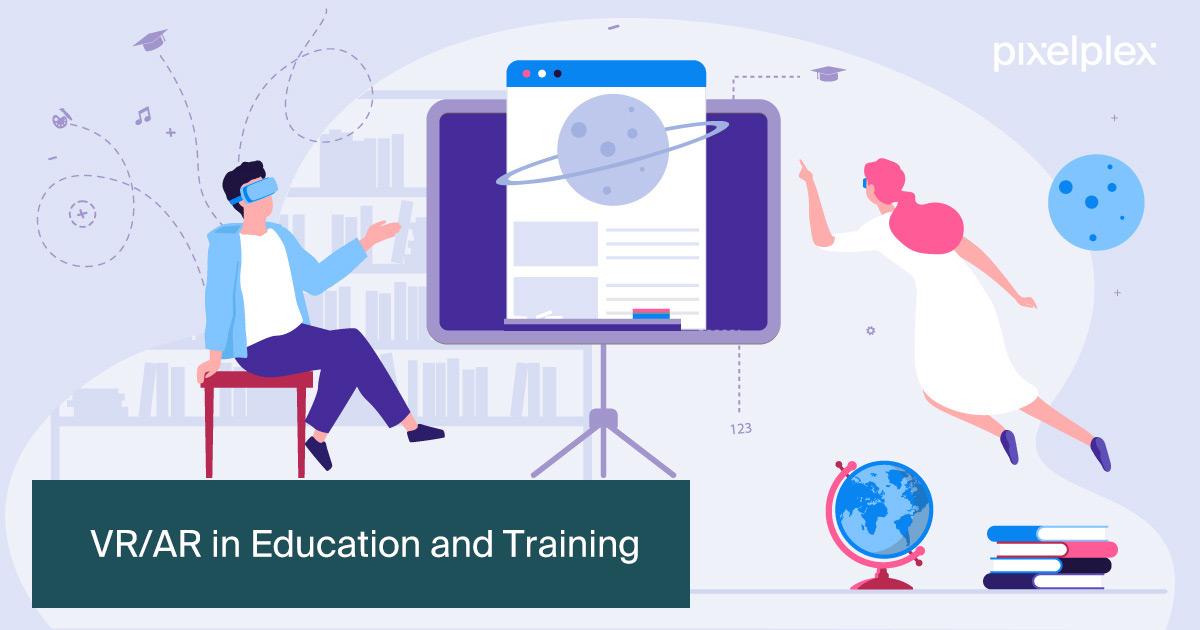
Mastering VR/AR in Education: effective Teacher Training Strategies for Immersive Technology Integration
Immersive technology is revolutionizing education, transforming classrooms into vibrant, interactive spaces that spark curiosity and deepen understanding. As VR and AR in education become more widespread,the need for effective teacher training grows ever more critical. This comprehensive guide delves into the best strategies for educators to master Virtual Reality (VR) and Augmented Reality (AR), ensuring seamless technology integration in today’s dynamic learning environments.
Why VR/AR is a Game-Changer in Education
Virtual Reality and Augmented Reality technologies open new dimensions in teaching and learning.They immerse students in interactive 3D environments or overlay digital content onto the real world, making abstract concepts tangible and lessons unforgettable. Though, to harness this potential, educators need tailored teacher training for VR/AR integration that goes beyond basic hardware usage.
- Engagement: Immersive lessons foster active participation and greater motivation.
- Retention: Studies show that hands-on, experiential learning significantly boosts knowledge retention rates.
- Equity: VR and AR can provide experiences that are or else inaccessible, leveling the educational playing field.
- Personalization: Adaptive learning pathways cater to varied abilities and learning styles.
Challenges to Integrating VR/AR in the Classroom
Despite their promise,immersive technologies can present challenges for both schools and teachers:
- Technical Complexity: Not all educators are cozy with new gadgets or apps.
- Resource Limitations: Devices, content, and bandwidth can be costly or scarce.
- Curriculum Alignment: Ensuring VR/AR lessons meet learning objectives and standards.
- assessment: Measuring learning outcomes in immersive environments is still evolving.
Effective VR/AR teacher training programs must address these barriers while empowering educators to embrace immersive learning technologies.
Essential Strategies for Teacher Training in VR/AR
Creating confident,capable teachers is at the core of accomplished VR/AR integration. Explore these teacher training strategies to foster effective adoption:
1. Start with the Pedagogy, Not the Technology
Training should anchor VR/AR use in sound pedagogical practices. Focus on how immersive technology enhances established teaching methods rather than simply showcasing flashy gadgets.
- Demonstrate clear connections between VR/AR applications and learning outcomes.
- Promote inquiry-based, project-based, and experiential learning models using immersive tools.
2. Offer Hands-On, Experiential Workshops
participatory, practical training builds comfort and competence:
- Organize VR/AR teacher bootcamps or demo days for guided experimentation.
- Utilize real classroom scenarios and lesson simulations within VR/AR environments.
3. Scaffold Learning with Tiered Professional Advancement
Respect the fact that teachers are at varying proficiency levels. Provide a progression of learning tracks:
- Beginner: Device setup, safety, exploring basic apps.
- Intermediate: Integrating VR/AR into units, classroom management strategies.
- Advanced: Creating custom content, evaluating impact, instructional design in VR/AR.
4. Build a Collaborative Learning Community
Encourage continuous growth by connecting educators:
- Form local or online VR/AR educator networks for sharing best practices.
- Leverage social media groups, forums, and regular meetups.
- Pair new adopters with “VR/AR Champions”—teachers proficient in immersive technology integration.
5. Create and Curate High-Quality Content
Teacher training should involve identifying, adapting, and creating curriculum-aligned VR/AR content:
- Review reputable VR/AR educational platforms (classvr, zSpace, Google Expeditions).
- Encourage teachers to develop their own interactive lessons using tools like CoSpaces Edu and ThingLink.
6. Address Technical Support and Accessibility
- Establish IT support systems and troubleshooting guides for teachers.
- Focus on low-cost or mobile VR/AR options for wider adoption, such as smartphone-based viewers and AR-enabled tablets.
Benefits of Effective VR/AR Training for Educators
With robust and ongoing professional development,schools and teachers unlock the vast potential of immersive technology in education:
- Empowered Educators: skilled teachers feel confident exploring and innovating with new technology.
- Compelling Lessons: Engaged students participate in unforgettable, real-world simulations and experiences.
- Future-Ready Schools: Institutions can stay agile, adapting to new technologies and educational trends.
Real Life Case Studies: VR/AR Integration Success
Let’s examine real-world examples of how schools have harnessed teacher training to implement VR/AR successfully:
-
Case Study 1: Virtual Field Trips with Google expeditions
At a California elementary school, a series of after-school workshops trained teachers in using Google Expeditions for virtual field trips. Teachers became comfortable exploring ancient Egypt, the great Barrier Reef, and more with students, enriching the curriculum and boosting engagement.
-
Case study 2: Building Confidence Through Peer Mentoring
A district in Texas implemented a “VR Champions” program. Early adopters received advanced training and mentored colleagues.This peer-led model led to wider, sustained integration of AR science simulations and VR history tours across grade levels.
-
Case Study 3: Professional Learning Communities in Action
In the UK, a group of teachers formed an online PLC focused on VR/AR integration. Via monthly webinars and shared lesson plans, they collaboratively addressed challenges and celebrated successes, greatly accelerating school-wide adoption.
Practical Tips for Teachers: Getting Started with VR/AR
- Start Small: Pilot easy-to-use apps (e.g.,AR flashcards or Google Expeditions).
- Designate VR/AR Lessons: Integrate immersive technology where it enhances, not distracts.
- Focus on Student Outcomes: tie each activity to clear learning objectives.
- Solicit Feedback: Gather student reflections to refine future lessons.
- Keep Learning: Stay up to date with new resources and join educator communities online.
Conclusion: The Path to Mastery in VR/AR for Educators
Mastering VR/AR in education isn’t about mastering technology for technology’s sake—it’s about enriching the student learning experience with meaningful, impactful lessons. With thorough, ongoing teacher training in VR/AR, educators can confidently lead the charge in immersive technology integration, inspiring discovery and achievement for all learners.
As you embark on your VR/AR educational journey, remember: Training is not a one-off event, but a sustained commitment to growth, collaboration, and innovation. empowered, well-supported teachers are the true architects of the classroom of tomorrow.