
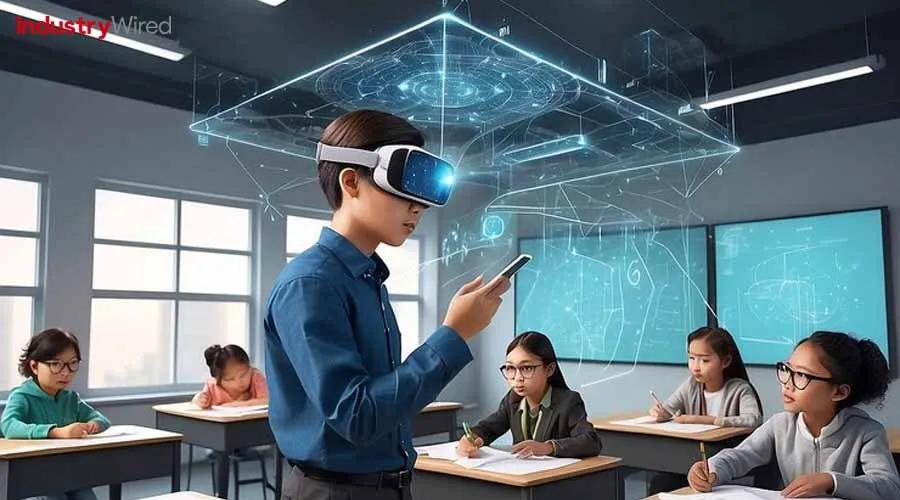
Mastering VR/AR in Education: Essential Steps for Training Teachers to Use Immersive Tools Effectively
The world of education is experiencing a revolutionary shift with the integration of Virtual Reality (VR) and Augmented Reality (AR). Thes immersive tools are reshaping traditional classrooms into dynamic, interactive learning environments. Yet, to fully harness the power of VR/AR in education, it is indeed crucial to equip teachers with the skills and confidence needed to use these technologies effectively. In this comprehensive guide, we’ll explore essential steps for training teachers in VR/AR, highlight the benefits of immersive technology in education, and share practical tips for seamless integration.Whether you’re an educator, administrator, or EdTech enthusiast, mastering VR/AR can transform your teaching strategy—and your students’ learning experiences.
Why VR/AR in Education Matters
Immersive technologies like VR and AR have rapidly become game-changers in K-12 and higher education. These tools enable:
- Virtual field trips to ancient landmarks or distant planets.
- Hands-on science experiments in perfectly safe environments.
- 3D visualizations of complex concepts, from human anatomy to physics simulations.
- Interactive language learning with immersive role-playing.
The potential for deeper engagement, personalized learning, and enhanced retention is driving schools to invest in VR/AR technology. But technology alone isn’t enough—it’s the teachers who make the real difference.
Benefits of Training Teachers in VR/AR Tools
When teachers are properly trained to use immersive technology in the classroom, the benefits are far-reaching:
-
Increased student Engagement:
Interactive content can captivate students like never before, making lessons memorable and fun.
-
Improved Learning Outcomes:
Studies show immersive learning can boost knowledge retention and critical thinking skills.
-
Enhanced Collaboration:
Teachers learn to design collaborative activities where students can work together in virtual environments.
-
Accessibility & Differentiation:
VR/AR can be tailored to multiple learning styles, breaking down barriers for students with diverse needs.
-
Future-Readiness:
Educators gain digital fluency,preparing themselves—and their students—for the skills of tomorrow.
Essential Steps for Training teachers in VR/AR Integration
For successful adoption of VR/AR in education,teacher training shoudl be structured,supportive,and comprehensive. Here are the essential steps for mastering VR/AR tools in the classroom:
1. Establish Clear Objectives
- Define what you want to achieve with VR/AR (e.g., increased engagement, improved scores in STEM subjects, enhanced creativity).
- Link technology use to curriculum standards and desired learning outcomes.
2.Provide Hands-On Professional Advancement
- Offer in-person or virtual workshops where teachers can try VR headsets and AR apps.
- Partner with EdTech companies or local universities for expert-led seminars.
- Encourage exploration through guided simulations and sandbox environments.
3. Focus on Pedagogy, Not Just Technology
- Help teachers align VR/AR activities with research-based teaching strategies.
- Discuss best practices for classroom management in immersive settings.
- Showcase case studies and lesson plans that integrate VR/AR meaningfully.
4. Create Supportive Communities of Practice
- Establish teacher cohorts or online forums for sharing resources and troubleshooting.
- Highlight “early adopters” as mentors to foster a collaborative culture.
5. Provide Easy Access to Resources
- Curate a library of age-appropriate and subject-aligned VR/AR apps.
- Offer step-by-step guides, how-to videos, and troubleshooting tips for common issues.
- Develop rapid-reference cheat sheets for daily classroom use.
6. Prioritize Digital Safety and Inclusive Practices
- Discuss safe internet use, student privacy, and ethical guidelines for immersive learning.
- Offer strategies for adapting VR/AR lessons for students with disabilities or special needs.
7. Encourage Reflective Practice and Ongoing Feedback
- Ask teachers to reflect on what worked, what didn’t, and how to improve.
- Adapt training sessions based on teacher feedback and evolving classroom needs.
Practical Tips for Implementing VR/AR in the Classroom
- Start Small: Pilot VR/AR with a single lesson or unit before scaling school-wide.
- Blend with Traditional Methods: Use VR/AR to complement—not replace—effective teaching strategies.
- Involve Students: Let learners help design projects or explore educational apps that interest them.
- Leverage Free Resources: Platforms like google Expeditions, Merge Cube, and CoSpaces Edu provide budget-amiable options.
- Monitor Student Reactions: Some students may experience motion sickness; always offer alternatives.
Case Studies: Success Stories of VR/AR in Education
Real-world examples highlight the transformative effect of immersive tools:
- high School Science, USA: A Texas high school integrated VR for biology classes, allowing students to “travel” inside a plant cell.Student engagement and test scores increased by 20% within six months.
- Elementary Language Learning, Spain: An AR language app enabled young learners to interact with 3D objects and practice conversation in real time. Teachers reported higher motivation and increased language fluency.
- Special Education, UK: AR visualizations helped students with learning differences grasp math concepts like geometry by manipulating shapes in virtual space.
First-Hand Experience: A Teacher’s Perspective
“At first, I was intimidated by the technology. But after hands-on training, VR became a powerful bridge for students who struggled with traditional methods. In my history class, exploring ancient Rome through a virtual tour brought the curriculum to life—not just for my tech-savvy kids, but for everyone.”
— Mrs. Linda Chang, middle School Social Studies Teacher
Conclusion: Future-Proofing Education with Immersive Tools
As VR/AR in education becomes increasingly mainstream, the key to unlocking its full potential lies in effective teacher training. By providing ongoing professional development, fostering supportive communities, and focusing on pedagogical excellence, schools can empower their educators to spark curiosity and transform student learning. With the right steps, immersive tools become not just a novelty, but a cornerstone of 21st-century education—benefiting both teachers and students for years to come.
Are you ready to master VR/AR in your classroom? Start with these essential steps, and join the movement to shape the future of education—one immersive lesson at a time.