
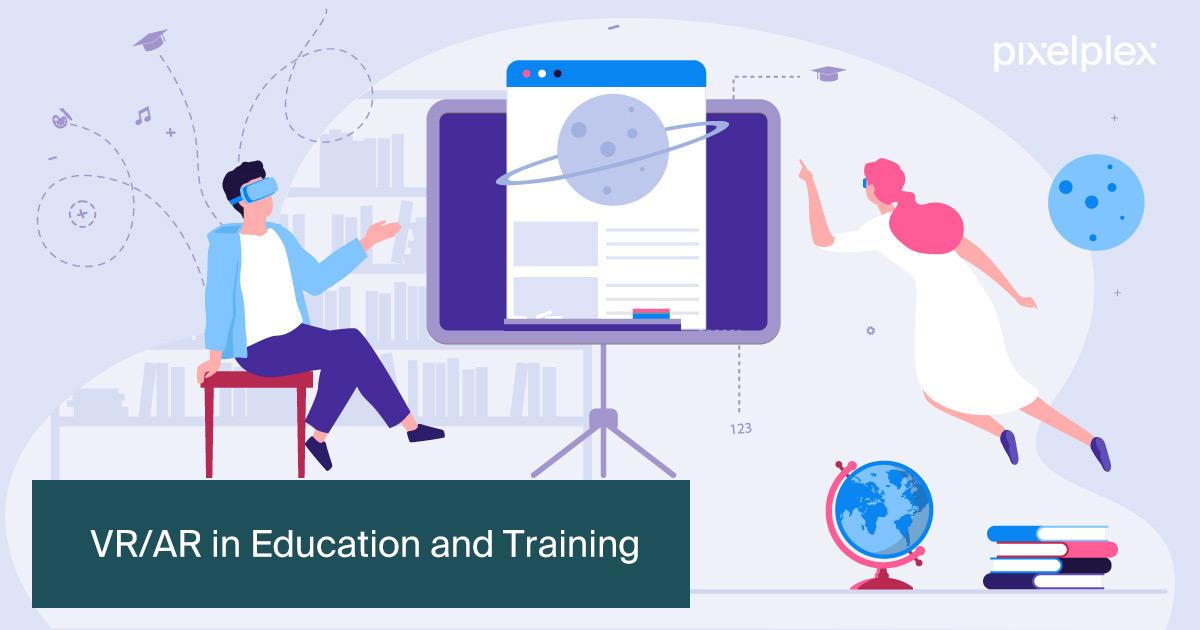
Mastering VR/AR in Education: Essential Tips for training teachers to Use Immersive Tools Effectively
The use of Virtual Reality (VR) and Augmented Reality (AR) in classrooms is transforming educational landscapes worldwide. As schools and institutions embrace immersive learning, effective teacher training for VR/AR has become critical. In this complete guide, we share proven strategies, first-hand insights, and practical tips for mastering VR/AR in education. Whether you’re a school administrator or an educator eager to stay ahead, this article gives you everything you need to successfully integrate immersive tools and elevate student engagement.
Table of Contents
- Introduction
- Benefits of VR/AR in Education
- Overcoming Challenges in Teacher Training for VR/AR
- Essential Tips for Training Teachers in VR/AR
- Case Studies: VR/AR in Action
- Best Practices for Ongoing Success
- Conclusion
Introduction
The digital age continues to reinvent how we teach, and immersive technology is rapidly becoming the centerpiece of modern pedagogy. VR/AR in education offers interactive, engaging, and effective learning experiences that traditional methods can’t match.However, the key to success lies in ensuring that educators are comfortable and proficient in using these tools. This article demystifies the process of training teachers and offers actionable advice for leveraging immersive technologies in the classroom.
benefits of VR/AR in Education
before diving into teacher training,it’s vital to understand why schools are investing in immersive technology. Here are some compelling benefits:
- Deeper engagement and focus: VR/AR captivate students’ attention and increase motivation.
- Experiential learning: Students learn by doing, enhancing retention and understanding of complex concepts.
- Accessibility: VR/AR can cater to various learning styles and needs, providing equal educational opportunities.
- Global exploration: Field trips and experiments that would be impossible in real life become accessible through immersive environments.
- Personalized learning: Adaptive VR/AR software can tailor lessons to individual student progress.
According to a 2022 EdTech Magazine report, classrooms implementing VR/AR saw a noticeable increase in knowledge retention, collaborative skills, and student enthusiasm.
Overcoming Challenges in Teacher Training for VR/AR
Despite the advantages, many educators face hurdles when adopting immersive technology:
- Technical unfamiliarity: Many teachers are new to VR/AR and may feel overwhelmed by the hardware and software involved.
- Limited resources: Budget constraints and limited devices can restrict hands-on practice.
- Curriculum integration: Aligning VR/AR activities with existing learning objectives can be challenging.
- Support gaps: Insufficient IT support or ongoing professional progress may hinder long-term use.
Effective teacher training programs address these pain points and empower educators to confidently harness the full power of immersive learning tools.
Essential Tips for Training Teachers in VR/AR
To unlock the benefits of VR/AR in classrooms, follow these essential tips to train and support teachers throughout their immersive technology journey.
1. Start with the Basics: Build Foundational Knowledge
- Introduce teachers to key concepts: What are VR and AR? how do they differ?
- Offer hands-on demonstrations of popular VR headsets (Oculus, HTC Vive, Pico, etc.) and AR devices (iPads, smartphones).
- share success stories and case studies to inspire confidence and excitement.
2.Connect VR/AR Tools to Curriculum Goals
- Map out subjects and lesson plans where immersive technology can enhance learning.
- Use standards-aligned content and resources from reputable platforms (e.g., ClassVR, Merge EDU, Google Expeditions).
- Encourage collaborative lesson design, allowing educators to create and share immersive experiences relevant to their curriculum.
3. Prioritize Active,Hands-On Training Sessions
- Host interactive workshops where teachers try out VR/AR applications themselves.
- Promote peer learning through group activities and reflection on experiences.
- Allow for exploration and experimentation in a low-pressure surroundings.
4. Address Common Technical Challenges
- Include IT staff in training sessions to troubleshoot devices and help with setup.
- Provide “quick start” guides, checklists, and FAQs for ongoing reference.
- Ensure teachers know how to update software, maintain devices, and manage digital content.
5. Foster a supportive Community of practice
- Create teacher “champion” teams to mentor others and share best practices.
- Launch online forums or private social media groups for Q&A and resource sharing.
- Host regular meetups or webinars to sustain momentum and introduce new VR/AR features.
6. Emphasize Student Safety and Digital Etiquette
- Train teachers on best practices for student safety, device hygiene, and responsible use.
- Discuss digital citizenship, privacy, and data protection in immersive environments.
- Leverage age-appropriate content and enable safety features as needed.
7. Measure Impact and Continuously Improve
- Collect feedback from teachers and students after each VR/AR lesson.
- use analytics tools to track student engagement,knowledge gains,and learning outcomes.
- Reflect on training effectiveness and make adjustments as technology evolves.
Case Studies: VR/AR in Action
Real-world success stories show just how transformative immersive technology can be in education:
-
Grade 7 Science Class (USA): After introducing VR simulations of the human body, teachers saw a 30% increase in test scores and student participation rates.
Teacher Quote: “VR made abstract biology concepts feel tangible. Even reluctant learners became enthusiastic scientists!”
- Australian History Lesson: Using AR-powered local heritage trails, students explored Indigenous history overlays on real-world locations, deepening cultural understanding through immersive storytelling.
- UK Secondary School: A teacher professional development program included regular VR/AR workshops. By end of year,78% of teachers were integrating immersive lessons at least once a month.
These examples underline the importance of accessible, ongoing VR/AR teacher training, especially with their direct links to tangible learning improvements.
Best Practices for Ongoing Success
to keep VR/AR thriving in your school or institution, follow these best practices:
- Stay updated: Immersive technology evolves rapidly. Regularly review new applications,devices,and teaching methods.
- Integrate VR/AR into broader digital strategy: Align it with other edtech tools for a seamless learning experience.
- Encourage professional certification: Many providers offer VR/AR teaching credentials and badges to recognize expertise.
- Allocate dedicated time and resources: Ensure teachers have scheduled time for exploration and lesson planning with immersive tools.
- Involve parents and communities: Share student VR/AR creations in exhibitions or virtual open days to celebrate achievements and demystify technology.
Conclusion
Mastering VR/AR in education isn’t about the technology itself, but about empowering teachers with the knowledge and support they need to create unforgettable learning experiences. By focusing on practical training, ongoing community, and evidence-based integration, schools can unlock the full potential of immersive tools.As teachers grow more confident, students will reap the benefits of deeper engagement, creativity, and academic success.
Ready to elevate your school’s approach to learning? Begin investing in VR/AR teacher training today and watch your classrooms transform into hubs of curiosity and innovation.