
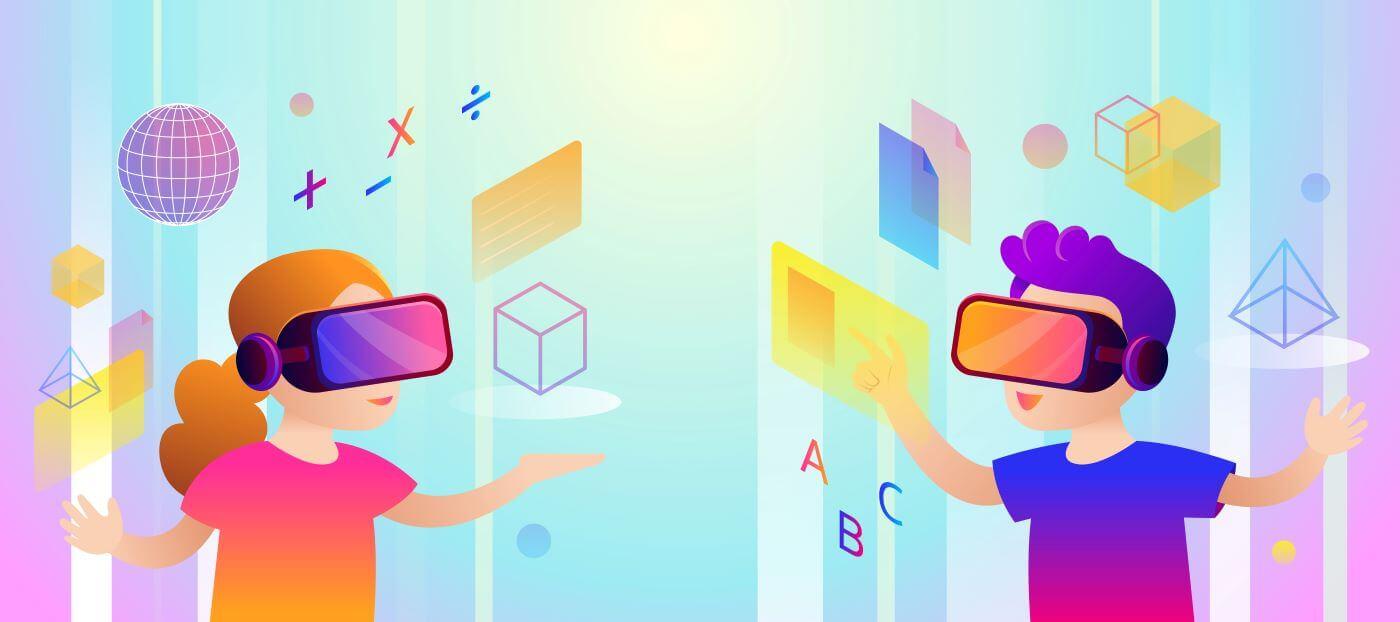
Mastering VR/AR in Education: Essential Tips for Training Teachers to Use virtual & augmented Reality Tools Effectively
In the rapidly evolving landscape of educational technology, Virtual Reality (VR) and Augmented Reality (AR) are poised to transform conventional classrooms into immersive learning experiences. However, to unleash the full potential of these innovative technologies, it’s crucial for educators to recieve effective training in using VR/AR tools in education. In this comprehensive guide,we’ll explore essential tips,proven strategies,and best practices for training teachers,ensuring they’re equipped to foster engaging,impactful learning with virtual and augmented reality.
Why VR/AR Tools Matter in Modern Classrooms
Virtual and augmented reality in education aren’t just buzzwords—they’re game-changing technologies that can elevate student engagement, support deeper understanding, and prompt creative problem-solving. By simulating real-world scenarios or bringing abstract concepts to life, VR and AR tools help learners connect theory with practice.
- Enhanced engagement: Interactive 3D content makes lessons memorable.
- Deeper understanding: Tough concepts (like anatomy or physics) become more accessible when visualized in a virtual habitat.
- Inclusive learning: VR/AR supports differentiated instruction and diverse learning needs.
Benefits of Training Teachers in VR/AR for Education
Effective VR/AR teacher training delivers a host of benefits to schools and educators:
- Boosts Teacher Confidence: Well-trained teachers are more likely to embrace and innovate with virtual and augmented reality tools.
- Promotes Technology Adoption: when educators feel prepared,VR and AR tools move beyond novelty and become routine classroom assets.
- Improves student Outcomes: Confident teachers can integrate VR/AR meaningfully,leading to better student engagement and retention.
- Keeps Classrooms Future-Ready: Mastery of emerging edtech means schools stay ahead in delivering 21st-century skills.
Essential Tips for Training Teachers in Virtual & Augmented Reality Tools
Preparing educators to use virtual reality in the classroom and augmented reality in teaching requires a strategic and hands-on approach. Here’s how to build an effective training program:
1. Start with the Basics
- Begin with a clear introduction to VR and AR concepts and their practical applications in education.
- Demonstrate the differences between VR (immersive, headset-based) and AR (interactive overlays via mobile/tablet).
- Showcase real-world examples from curriculum topics.
2. Provide Hands-On Experience
- Arrange interactive workshops where teachers use headsets, mobile AR apps, and educational simulations.
- Allow educators to explore both student-facing applications and educator dashboards.
- Encourage experimentation with lesson creation and customization.
3. Integrate VR/AR into Pedagogy
- Link VR/AR activities to specific learning outcomes and standards.
- Model effective classroom management strategies for device use.
- highlight opportunities for formative assessment, collaboration, and project-based learning with VR/AR.
4. Offer Ongoing Support and Resources
- Develop a repository of lesson plans, tutorials, and troubleshooting guides.
- Establish peer mentoring, so experienced users can coach newcomers.
- Facilitate regular check-ins and Q&A sessions for continued growth.
5. Address Accessibility and Safety
- Train teachers on accessibility features and how to adapt VR/AR activities for all learners.
- Emphasize safe usage—hygiene protocols, device management, and screen time balance.
Case Study: A School’s VR/AR Journey
at Lincoln Middle School,a coordinated effort to train teachers in VR/AR yielded transformative results. The school launched a multi-phase training program that included:
- Introductory seminars led by VR/AR education experts
- Small group workshops for hands-on experience
- Collaborative curriculum planning sessions integrating AR apps into science and history lessons
Outcome: Within one semester, 80% of classrooms had successfully implemented at least one VR or AR activity. Teacher feedback was overwhelmingly positive,citing increased student curiosity,improved subject understanding,and greater teacher satisfaction.
First-Hand Experience: Teachers Share Their Tips
“At first, the idea of using VR in my lessons was intimidating. But after attending a few workshops and seeing the amazing engagement from my students, it became clear that this was a game-changer.My advice? Keep experimenting and lean on your fellow teachers for ideas!”
—Ms. Rivera, science Teacher
“AR apps brought our geography lessons to life! The training gave me confidence to try new tools and troubleshoot issues on the fly.I recommend starting small and building from there.”
—Mr. Jennings, Geography Instructor
best Practices for Accomplished VR/AR Integration
- Choose age-appropriate and curriculum-aligned VR/AR apps—opt for solutions vetted by educational authorities.
- Gradually scale up—pilot with one grade or subject before school-wide roll-out.
- Promote collaboration—encourage teachers to co-create VR/AR experiences and share outcomes.
- gather student feedback—refine lesson plans based on what resonates most with learners.
- Continuously update skills—VR/AR technology evolves quickly; ongoing professional development is essential.
Pro Tips: Maximize Your VR/AR Training Program
-
Encourage teachers to maintain a reflective journal on their VR/AR lessons for continuous betterment.
-
leverage online communities and forums dedicated to VR/AR in education for troubleshooting and new ideas.
-
Explore partnerships with edtech vendors for exclusive teacher training modules and certifications.
Conclusion
Mastering VR/AR in education begins with empowering teachers through comprehensive, hands-on training. By understanding the benefits of these technologies, offering structured support, and fostering a collaborative culture, schools can ensure their teachers are ready to lead the next generation of learning. With these essential tips,every educator can confidently bring the wonders of virtual and augmented reality into their classroom—unlocking limitless learning possibilities for students.