
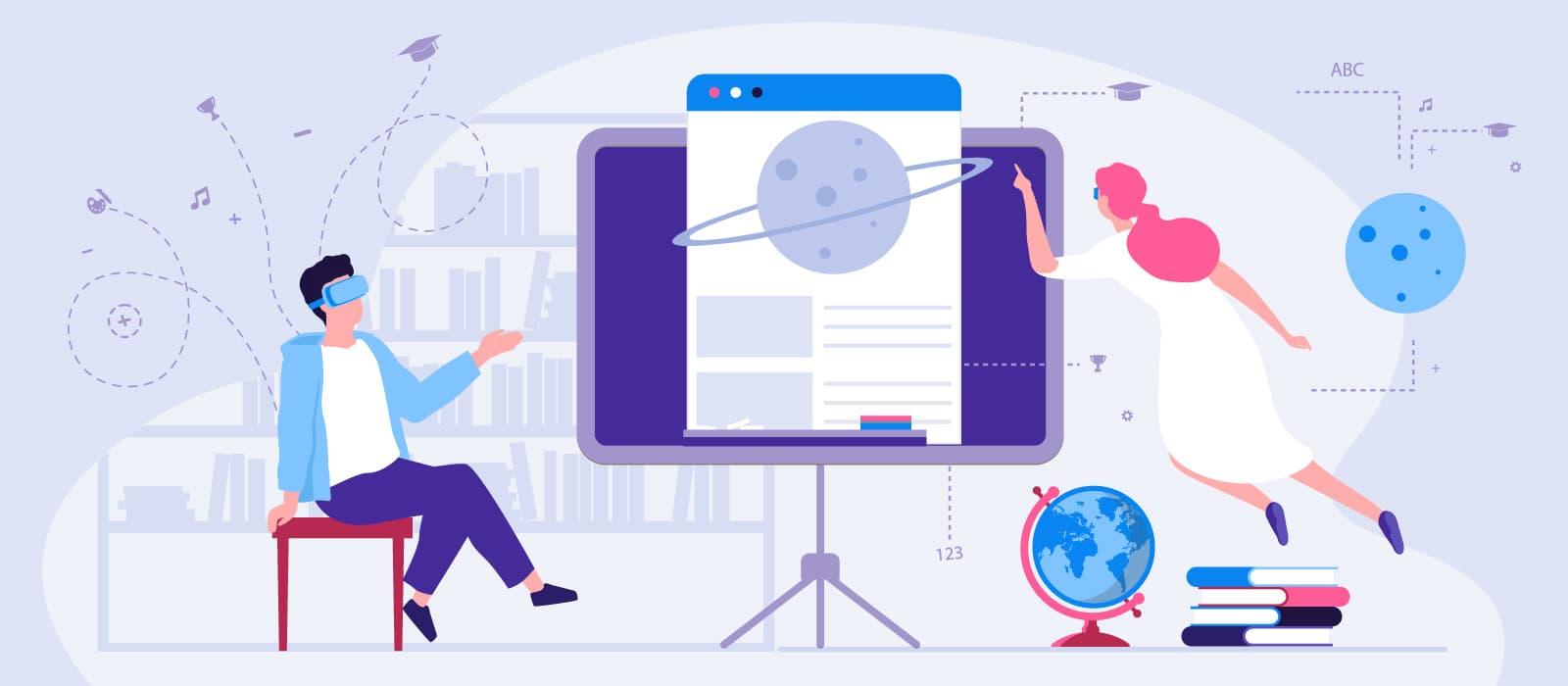
Mastering VR/AR in Education: essential Training Tips for Empowering teachers
Virtual Reality (VR) and Augmented Reality (AR) are revolutionizing the educational landscape, offering immersive experiences that can captivate students like never before.Though, the key to unlocking the full potential of these technologies lies with empowered teachers—educators who are pleasant, confident, and creative with VR/AR in their classrooms. in this comprehensive guide, we’ll explore the essential training tips, proven benefits, and inspiring case studies to help educators master VR/AR in education. Let’s embark on this transformative journey together to bring learning to life!
The Power of VR/AR in Education: Benefits for Teachers and Students
- Enhanced Engagement: VR/AR brings abstract concepts to life, making lessons interactive and memorable.
- experiential Learning: Students can explore historical landmarks, conduct virtual science experiments, or interact with 3D models for deeper understanding.
- Personalized Learning: Adaptable VR/AR experiences cater to diverse learning styles and needs.
- Collaboration & Interaction: Virtual environments foster teamwork, creativity, and social interaction.
- Accessible Education: AR/VR can break down barriers for students with disabilities, offering alternative ways to engage and participate.
For teachers, integrating VR and AR can transform classroom management, assessment, and instructional strategies.But, to embrace this change, educators need targeted professional progress and ongoing support.
Essential Training Tips for Teachers: Mastering VR/AR Technology
Before teachers can effectively integrate VR and AR into their teaching, they require practical training and resources. Hear are actionable steps and best practices for empowering educators with VR/AR in education:
1. Start Small and Experiment
- Begin with simple AR apps or basic VR experiences suitable for your subject and age group.
- Familiarize yourself with affordable devices like Google Cardboard, Merge Cube, or AR-enabled tablets and smartphones.
- Experiment during planning periods or test lessons with small groups before scaling up.
2.Participate in Professional Development Workshops
- Attend training sessions, webinars, or conferences focused on VR/AR in education. Many EdTech companies offer free or subsidized PD resources.
- Engage with platforms like Edutopia, Common Sense Education, or ISTE for updated AR/VR guides, lesson plans, and instructional videos.
3.Join Collaborative Learning Communities
- Connect with othre educators via online forums, Facebook groups, or Twitter chats using hashtags like
#VReduand#ARinEducation. - Share projects, troubleshoot issues, and co-create lesson resources together.
4.Focus on Pedagogy, Not Just Technology
- Align VR/AR experiences with curriculum goals and learning standards.
- Identify clear learning objectives for each immersive project.
- Integrate opportunities for reflection, discussion, and assessment to deepen learning outcomes.
5. prioritize Student Safety and Digital Citizenship
- Review privacy policies of VR/AR apps and platforms before classroom integration.
- Set guidelines for safe usage, including screen time, appropriate content, and respectful collaboration.
- Model and teach responsible technology use, emphasizing digital citizenship and empathy in virtual spaces.
6. Leverage Free and Low-Cost VR/AR Resources
- Explore tools like Google Expeditions, CoSpaces Edu, QuiverVision, and MuseumViewer for ready-made AR/VR experiences.
- Encourage students to become co-creators, using apps that let them design their own VR/AR project as part of a lesson.
Real-World Examples: VR and AR Transforming Classrooms
Case study 1: History Comes Alive in VR
Ms.Ortiz, a middle school social studies teacher, introduced VR headsets to allow students to “tour” ancient Rome. Instead of reading from textbooks, her students navigated 3D reconstructions of the colosseum and Roman streets. Engagement soared, with even reluctant learners asking questions and participating in spirited post-tour debates about Roman life.
Case Study 2: AR for Interactive Science Labs
In a suburban high school, Mr. Chen’s biology class used AR apps to visualize complex cell structures and genetic processes. Students manipulated 3D models, watched simulations of mitosis, and even created their own AR presentations. According to Mr. Chen, test scores and student confidence in STEM subjects showed a marked enhancement.
Case Study 3: Inclusive Learning with VR for Diverse Learners
At an elementary school with a high population of neurodiverse learners, Ms. Singh utilized VR social stories to teach social-emotional skills. The immersive, distraction-free environment helped her students practise new scenarios and build confidence for real-world interactions.
First-hand Tips from Teachers Empowered by VR/AR
- “Don’t fear mistakes—every stumble is a learning opportunity for you and your students.” —Mr. Patel, high school math teacher
- “Prepare backup activities in case of technical glitches. Flexibility is key!” —Ms. Jacobs, elementary science specialist
- “Let students guide exploration—sometimes they discover uses for VR/AR you hadn’t imagined.” —Mrs. Lewis, language arts coordinator
Overcoming Common Challenges: Solutions and Strategies
While integrating VR/AR in education offers immense promise, teachers often encounter hurdles such as limited budgets, resistance to new technology, and initial technical complexity. Here’s how to address these challenges effectively:
- Budget constraints: Start with cost-effective tools and apply for educational grants or local sponsorships. Leverage BYOD (bring your own device) models when appropriate.
- Technical skills: Start with user-kind platforms and scaffold training. Create a technology leadership team at your school for ongoing support.
- Time management: Integrate short, focused VR/AR activities instead of full-lesson makeovers. Use VR/AR as a station in a rotation model or flipped classroom.
- Assessment alignment: Design rubrics and performance-based assessments tailored for VR/AR tasks and projects.
Best Practices Checklist for Teachers Using VR/AR in Education
- Set clear learning objectives for each VR/AR activity
- Test all apps and equipment before class begins
- Monitor students actively during immersive activities
- Encourage collaboration and discussion post-experience
- Collect feedback from students to refine future lessons
- Document and share your successes & challenges with colleagues
Conclusion: Paving the Way for Future-Ready classrooms
Mastering VR/AR in education isn’t just about understanding hardware or software—it’s about adopting a growth mindset and fostering creativity among students. With the right training, professional development, and willingness to innovate, teachers can lead the charge in building future-ready classrooms that inspire curiosity and a lifelong love of learning. As VR and AR technology continues to advance, empowered educators will remain at the heart of meaningful transformation.Now is the perfect time to explore, experiment, and make immersive learning a reality for every student!
Ready to empower your teaching team? Share these essential VR/AR tips with your colleagues and start your school’s immersive learning journey today!