
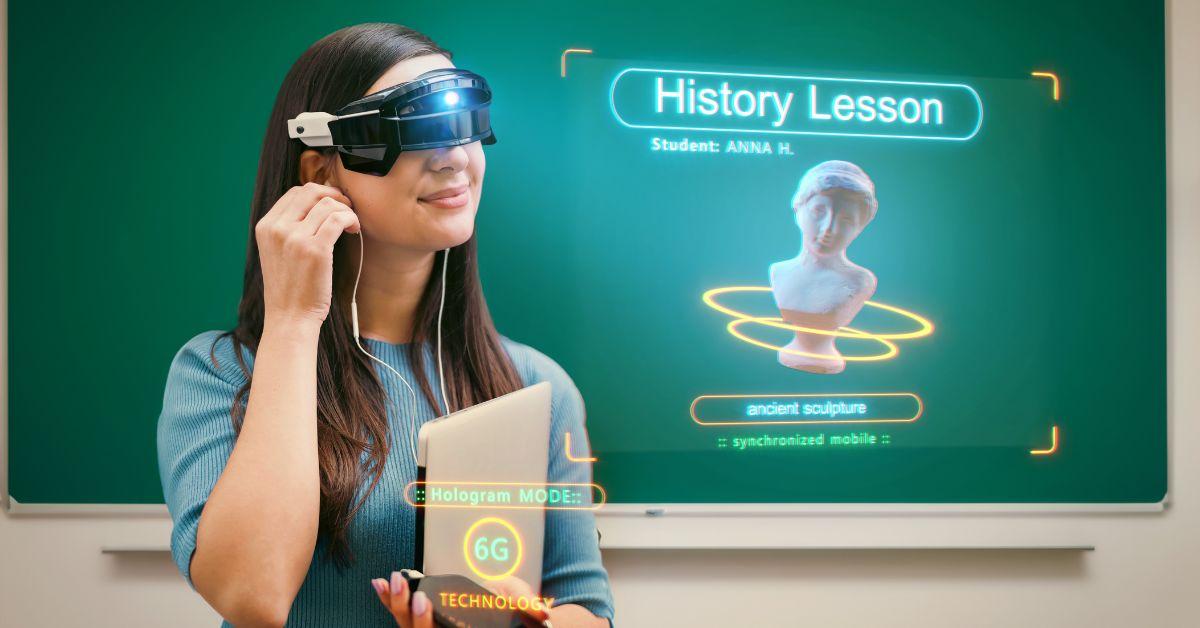
Mastering VR/AR in Education: Essential Training Tips for Teachers to Use Technology Effectively
Virtual Reality (VR) and Augmented Reality (AR) are revolutionizing the educational landscape, bringing interactive, immersive experiences to classrooms worldwide. While these technologies offer innovative ways to engage students and enhance learning, many teachers face challenges in integrating VR/AR effectively. In this thorough guide, we’ll explore the benefits, essential training tips, and practical strategies for teachers to master VR/AR in education, empowering both educators and students to thrive in the digital age.
Why VR/AR in Education? Key Benefits for Teachers and Students
- Enhanced Engagement: Visual and interactive elements boost student motivation and participation.
- Experiential learning: Students can explore historical sites, scientific environments, or even the human body in 3D.
- Deeper Understanding: Abstract or complex subjects become tangible and easier to grasp.
- Personalized Learning: VR/AR enables tailored experiences,accommodating different learning styles.
- Safe Simulations: Practice hazardous or expensive scenarios risk-free.
- Global Collaboration: Connect classrooms around the world for immersive,shared projects.
Mastering VR/AR in education not only enriches curriculum delivery but also prepares students for in-demand digital skills.
Essential Training Tips: How Teachers Can Effectively Integrate VR/AR Technology
1.Build Foundational Knowledge
- Attend VR/AR workshops for teachers or online courses to understand core concepts, devices, and educational applications.
- Familiarize yourself with popular VR platforms (Google Expeditions, CoSpaces, oculus, classvr) and AR apps (Merge Cube, Quiver, Zappar).
- Stay updated on the latest trends and research in educational technology.
2. Start Small and Scale Gradually
- Begin with simple, low-cost or free applications to build confidence.
- Incorporate short VR/AR experiences as lesson enhancers rather than overhauling entire lesson plans initially.
- Gradually expand to more complex projects as you and your students become comfortable.
3. Focus on Educational Objectives
- Ensure every VR/AR activity aligns with your learning goals and curriculum standards.
- Ask: How does this technology deepen understanding or foster critical thinking?
- Avoid using technology for its own sake; prioritize purposeful, outcome-driven experiences.
4. Prepare and Manage the Classroom Environment
- Set clear expectations and guidelines for device use and student behavior.
- Arrange the physical classroom to allow safe movement, especially for VR experiences.
- Monitor students closely, especially during first uses to address potential disorientation or discomfort.
5. Foster Collaboration and Reflection
- Encourage students to work in pairs or small groups for collaborative exploration.
- Facilitate discussion and reflection sessions after VR/AR lessons to solidify learning and gain feedback.
- Assign creative tasks, like students designing their own simple AR projects.
6.Troubleshoot and Iterate
- Practice setting up and using the technology ahead of lessons to anticipate issues.
- Have backup plans in place, as technical glitches can occur.
- Gather feedback from students for continuous improvement of your VR/AR teaching strategies.
Practical Tips: getting the Most Out of VR/AR in Lessons
- Blend VR/AR with Customary Methods: Combine immersive tech with hands-on activities, readings, and discussions.
- Leverage Curated Content Libraries: Tap into existing VR/AR lesson plans and interactive modules to save preparation time.
- Prioritize accessibility: Choose apps and platforms that cater to diverse learners, including those with special needs.
- Track Engagement and Learning Outcomes: Use formative assessments, quizzes, or creative projects to measure impact.
- Network with Othre Educators: Join online communities dedicated to VR/AR in education to share tips and resources.
here are some resources for teachers to consider:
VR in Education community |
EdTech Magazine |
Common Sense Education AR/VR reviews
Real World Examples: VR/AR Success Stories
Case Study 1: Virtual Field Trips Amplify Engagement
At a middle school in California, teachers introduced Google Expeditions to facilitate virtual field trips to ancient Egypt. Students traversed pyramids and tombs, leading to a 15% improvement in overall test scores and considerably higher enthusiasm for history lessons.
Case Study 2: AR Brings Science to Life
In a UK high school, a biology teacher used Merge Cube AR apps to allow students to explore 3D models of the human heart. This hands-on approach helped students visualize complex anatomy,boosting retention and sparking curiosity.
Firsthand Experience: Teacher Viewpoint
“Integrating VR into my lessons has transformed the way my students engage with content.Accessing a VR simulation of the International Space Station was a game-changer—students were actively asking questions and making connections I’d never seen before.”
– Mrs. Lina Carter, Science Teacher
Overcoming Common Challenges in VR/AR Integration
- Budget Constraints: Start with free apps or browser-based AR experiences before investing in hardware.
- Lack of Experience: Seek district-provided professional growth or leverage online tutorials for self-training.
- Technical Issues: Keep equipment well-maintained and have IT support readily available.
- Student Safety and Comfort: Always monitor usage, be mindful of screen time and motion sickness, and provide alternative activities.
Conclusion: Embrace the Future of Education with VR/AR
Mastering VR/AR in education is more accessible than ever for today’s teachers. By investing in training, starting small, and prioritizing purposeful use of technology, educators can unleash dynamic, interactive learning that equips students with 21st-century skills. Remember, the journey is ongoing: continuously explore new tools, connect with fellow educators, and adapt strategies for the best classroom results. The future of teaching and learning is immersive—take the leap and transform your classroom with virtual and augmented reality education today!
ready to enhance your teaching? Begin your VR/AR journey by joining an educator community,accessing online training,and experimenting with a simple lesson. Your students—and their future careers—will thank you!