
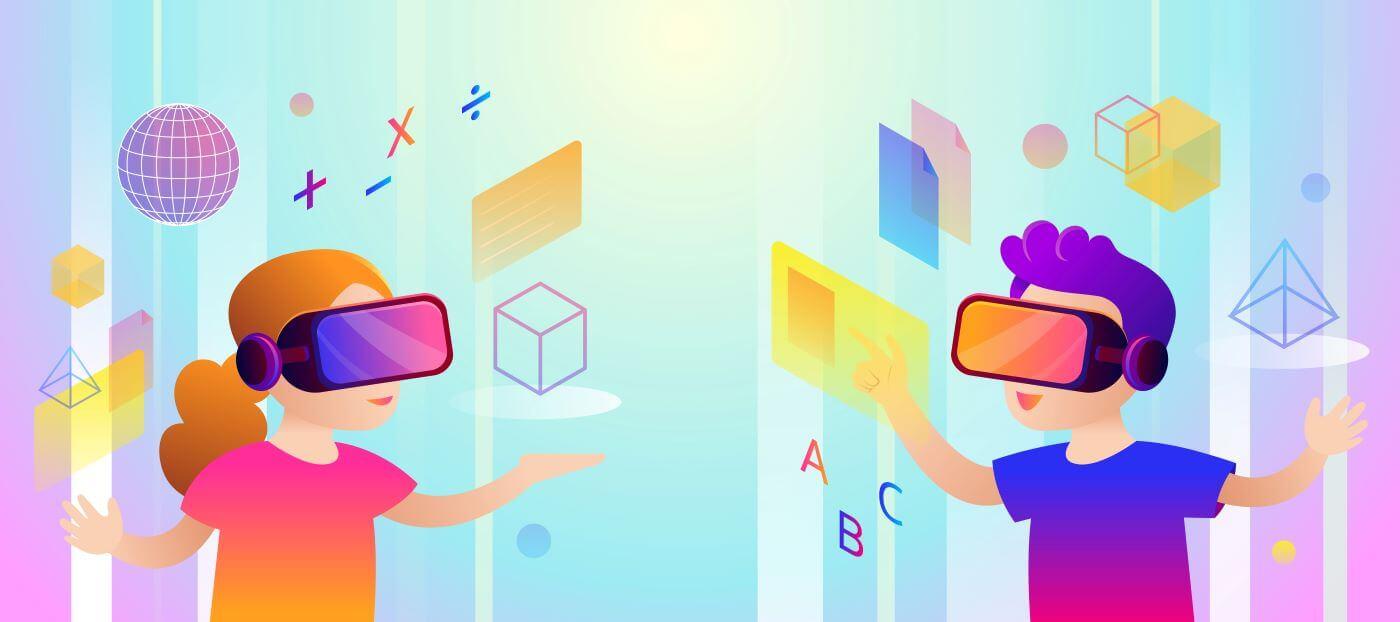
Mastering VR/AR in Education: Essential Training Tips for Teachers to Use Virtual and Augmented Reality Effectively
Introduction
The world of education is rapidly evolving with technology at its forefront.One of the moast transformative innovations impacting classrooms today is the use of Virtual Reality (VR) and Augmented Reality (AR). These immersive technologies have proven to enhance student engagement, ignite curiosity, and foster deeper understanding of complex concepts. Though, for teachers to take full advantage of VR/AR in education, it’s crucial to be well-versed in best practices for their use. In this comprehensive guide, we’ll delve into essential training tips for teachers, explore the benefits of VR and AR in pedagogical settings, and provide actionable insights to seamlessly integrate these technologies into your curriculum.
The Benefits of VR/AR in the Classroom
VR and AR technologies bring a host of advantages for educators and students alike. Here’s why integrating VR and AR into your classroom can be a game-changer:
- Immersive Learning: Students can explore historical sites, conduct science experiments, or visualize complex mathematical models as if they were ther in person.
- Enhanced Engagement: Interactive elements and gamified experiences hold students’ attention better than traditional methods.
- Personalized Education: With VR/AR, lessons can be tailored to meet diverse learning styles and abilities.
- Real-World Application: Learners can practice language skills, technical procedures, or problem-solving in safe, simulated environments.
- Increased Retention: studies show that experiential learning leads to better knowledge retention and comprehension.
Essential Training Tips for Teachers to Use VR/AR Effectively
Successfully integrating VR/AR in education requires more than just the right hardware and software. Here are essential training tips to help teachers master these technologies:
- Start with Purpose: Define clear learning objectives for using VR/AR. Ask yourself: How will this technology enhance the lesson? Purpose-driven integration ensures that VR/AR is used effectively, not just as a novelty.
- Choose User-Kind Tools: Select platforms or VR/AR apps designed for education that offer intuitive interfaces and robust support for teachers.
- Participate in Professional Development: Attend VR/AR workshops, webinars, and online courses. Many educational technology organizations provide hands-on training sessions for educators.
- Practice First: Test VR/AR experiences yourself before introducing them to students. Ensure you’re comfortable with navigation, content, and troubleshooting potential issues.
- Foster Digital Citizenship: Teach students about responsible use,online safety,and digital etiquette within virtual and augmented spaces.
- Collaborate and Share: Connect with othre teachers using VR/AR. Share resources, lesson plans, and classroom management strategies to build collective expertise.
- Evaluate and Reflect: Regularly assess the effectiveness of VR/AR tools in achieving educational goals. adjust approaches based on student feedback and learning outcomes.
Practical Strategies for VR/AR Integration in Your Classroom
Knowing how to use VR and AR effectively in education is just as important as understanding why. Here are actionable strategies to get started:
1. Begin with Simple experiences
- Use Google Expeditions or similar AR apps to take virtual field trips.
- Introduce 360-degree videos to visualize environments or events discussed in class.
2. Embed AR in Everyday Lessons
- Use AR flashcards for vocabulary, math, or science concepts.
- Enhance textbooks with QR codes that trigger 3D models or videos.
3. Encourage Student-Created Content
- Let students build their own VR tours or AR projects using simple platforms (e.g., CoSpaces, Merge Cube).
- Promote creativity by integrating storytelling into VR/AR assignments.
4. Address Accessibility and Inclusivity
- Ensure VR/AR tools you choose are accessible to students with diverse needs.
- Provide alternatives (like videos or traditional resources) for students who might potentially be unable to use headsets.
Real-World Case Studies: VR/AR Transforming Education
Let’s look at some schools and teachers who have transformed their classrooms with VR/AR:
-
Historical Exploration at Lincoln Middle School, Chicago:
Students used VR headsets to “walk through” ancient Rome, supplementing their traditional history lessons. Teachers reported higher retention rates and increased enthusiasm among students.
-
Science Labs Without Limits in sydney, Australia:
During COVID-19, biology teachers leveraged AR to disassemble digital 3D models of the human heart, allowing students to explore anatomy at home.
-
Language Immersion in Madrid, Spain:
English teachers used VR role-play scenarios, enabling students to practice conversational skills with virtual characters in lifelike environments.
These examples showcase the versatility and effectiveness of VR and AR in fostering meaningful, memorable learning experiences.
First-Hand Experience: A Teacher’s Perspective on VR/AR Training
“When I first introduced VR goggles in my science classes, my greatest challenge was not the technology itself but making sure I integrated it with purpose. Professional development workshops were pivotal for me to understand how to create truly immersive lessons. My advice to fellow educators is to start small—experiment with one lesson or topic, gather feedback, and build confidence from there. The excitement on students’ faces when they explore with VR or AR for the first time makes all the effort worthwhile!”
— Maria S., Middle School Science Teacher
Conclusion
Mastering VR and AR in education opens up a world of possibilities for both teachers and students. With the right training, mindset, and strategies, educators can transform classroom learning into something truly immersive and impactful. As you embark on your VR/AR journey,remember: start with clear objectives,build your skills through consistent practice,and don’t be afraid to innovate.
Want to stay ahead in digital education? Keep exploring new resources, connect with the global community of VR/AR educators, and let technology inspire both your teaching and your students’ learning every day.