
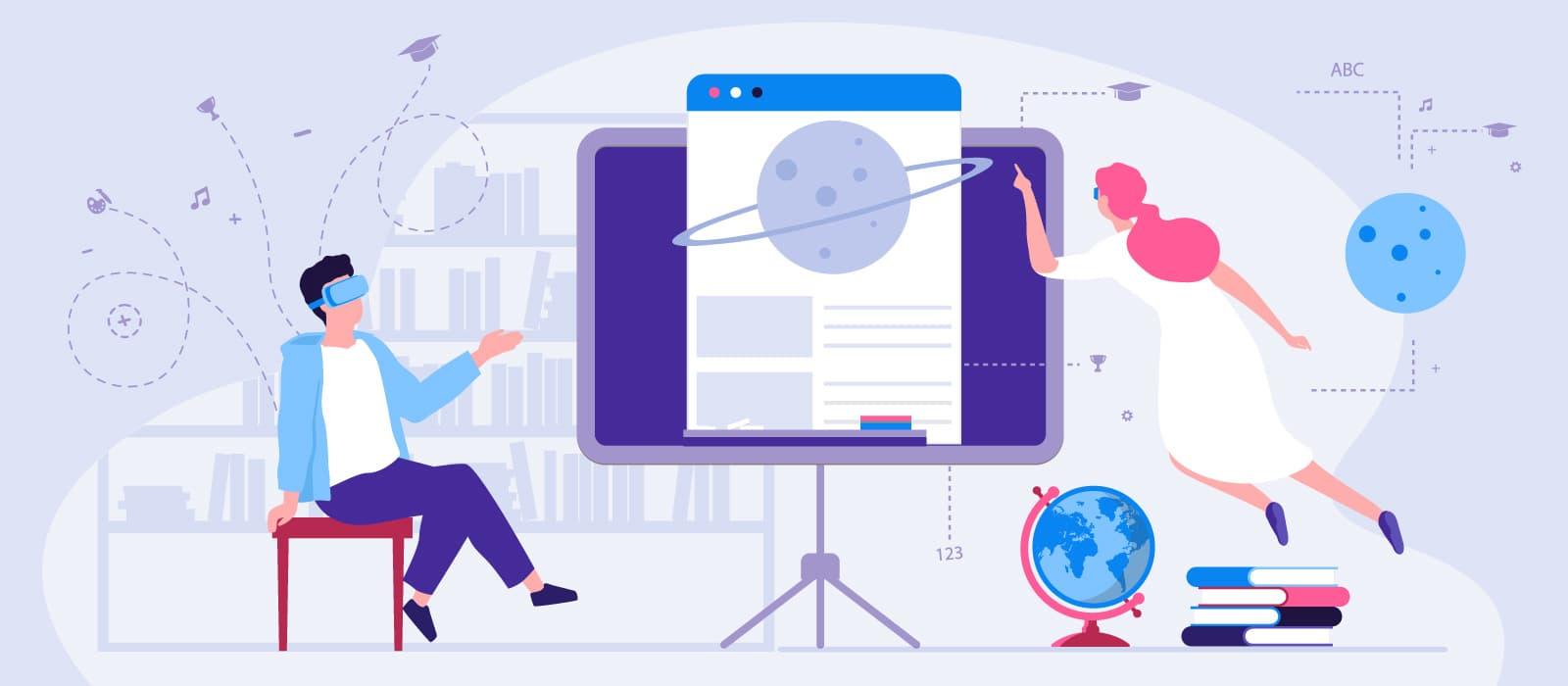
Mastering VR/AR in Education: Essential Training Tips for Teachers to Use Virtual Tools Effectively
The integration of Virtual Reality (VR) and augmented Reality (AR) in education is rapidly reshaping how teachers deliver knowledge and how students experience learning. However, as promising as these virtual tools for classrooms are, many educators face challenges adopting and mastering them. This comprehensive guide will arm you with practical VR/AR training tips for teachers, real-world examples, and actionable advice to effectively implement virtual reality in education.
Understanding VR/AR in Education
virtual Reality (VR) immerses users in a digitally created surroundings via headsets, allowing for interactive experiences that are often impossible in the physical world. Augmented Reality (AR) overlays digital content onto the real world using tablets, smartphones, or AR glasses. together, VR and AR in education can transform lessons, foster engagement, and boost learning retention.
- VR Example: Students exploring ancient Rome through a 3D past environment.
- AR Example: Anatomy apps overlaying 3D body organs on students’ real-world surroundings.
Benefits of Using VR/AR Tools in the Classroom
From student engagement to personalized learning,implementing virtual reality in classrooms offers numerous advantages:
- Enhanced Engagement: Interactive 3D environments grab students’ attention and spark curiosity.
- Improved Retention: Experiential learning deepens understanding and helps memory recall.
- Differentiated Instruction: VR/AR platforms offer tailored experiences for varying abilities.
- Safe Experiments: Students can conduct complex simulations in a controlled, risk-free environment.
- Expanded Access: Virtual field trips bring distant locations and historical events into the classroom.
Essential Training Tips for Teachers Using VR/AR
Successfully adopting VR/AR in schools requires the right tools and skills. Here are proven, SEO-optimized training tips for teachers:
1. Start Small: Pilot Easy-to-Use Apps
- Choose user-kind apps like Google Expeditions or Mondly VR to ease into immersive technology.
- Focus on set lesson objectives, not the tech itself.
2.Participate in Professional Development
- Enroll in workshops, webinars, or online courses focused on VR/AR training for educators.
- Join teacher communities on platforms like Edmodo or Facebook Groups for shared resources and troubleshooting.
3. Collaborate with Tech Coordinators
- consult IT staff for recommendations on hardware, apps, and troubleshooting protocols.
- Request in-school training sessions to introduce VR/AR integration best practices.
4. Integrate VR/AR into Existing Curriculum
- Align VR/AR activities with established learning standards and intended outcomes.
- Draft lesson plans with clear objectives and built-in assessment opportunities.
5. Prioritize Student Safety and Accessibility
- establish safety guidelines for VR headset use (length of sessions, breaks, supervision).
- Ensure AR apps are accessible on a range of school-owned devices.
6. Encourage Student Exploration and Feedback
- Allow students to experiment with different environments or activities.
- Collect student reflections to evaluate the effectiveness of VR/AR integration.
First-Hand Experiences: Bringing VR/AR to the Classroom
Teachers globally are already mastering VR/AR for education and seeing exciting results.
“My students were blown away when they visited the solar system through a VR app during our science unit. It made space feel real and inspired questions I’d never heard before.” – Linda M., Middle School Science teacher
“AR flashcards changed the way my students learned vocabulary. Watching the words come alive helped even my reluctant readers engage.” – Carlos R., Elementary language Arts Teacher
These experiences underscore the transformative power of virtual reality teaching tools and augmented reality in education when teachers feel confident and prepared.
Case Studies: Successful VR/AR Education Initiatives
Case Study 1: Immersive History Lessons with VR
At Park View High School, students experienced the trenches of World War I using a VR simulation. Teachers received a half-day VR workshop, learning both technical skills and curricular integration. Test results showed a 15% enhancement in historical knowledge retention compared to previous years.
Case Study 2: AR-Assisted Math at Elementary Level
In a pilot at Rivertown Elementary, math teachers used an AR app to visualize geometric concepts. After brief training in the tool, teachers saw increased student enthusiasm and a notable rise in standardized test scores.
Best Practices for Long-Term VR/AR Mastery
- Establish a continuous Learning Culture: Stay updated with VR/AR trends via blogs, podcasts, and conferences.
- Document and Reflect: Keep a teaching journal detailing what worked, challenges, and student responses.
- Share and Scale: Present successful VR/AR lessons at staff meetings and encourage peer observation.
- Solicit Parent Involvement: Invite parents to virtual open days showcasing student VR/AR projects.
- Assess and Adjust: Use formative assessments and regular feedback to enhance virtual tool usage.
Frequently Asked Questions about VR/AR in Education
- Are VR/AR tools expensive for schools?
- Costs are falling, with many free or affordable apps available and starter VR headsets priced below $300. Funding grants can also support investments.
- What training resources are recommended for teachers?
- Organizations like ISTE, Microsoft Education, and Google for Education AR/VR offer free resources, lesson plans, and certification programs.
- is VR/AR accessible for students with special needs?
- Many VR/AR apps include customizable settings and audio or visual enhancements for inclusivity. Always check app-specific accessibility features.
Conclusion: Step Confidently into the Future of Teaching
Mastering VR/AR in education is not about replacing teachers—it’s about empowering educators to create richer, more experiential learning landscapes. With the right training, tools, and support, teachers can harness the full potential of virtual reality and augmented reality in the classroom to inspire the next generation of learners. Start small, collaborate, and never stop learning—as the future of education is already here, and it’s virtually incredible!