
Maximizing Corporate Training Success: The Power of Microlearning in Employee Development
Corporate training has rapidly evolved to meet the changing needs of today’s agile workforce. Companies now recognize that successful employee development requires modern, impactful approaches. One such game-changer is microlearning—bite-sized, focused learning experiences designed for maximum engagement and retention.in this article, we’ll explore the power of microlearning, how it transforms corporate training programs, and practical tips for organizations aiming to maximize their employee development success.
What Is microlearning? Understanding the Concept
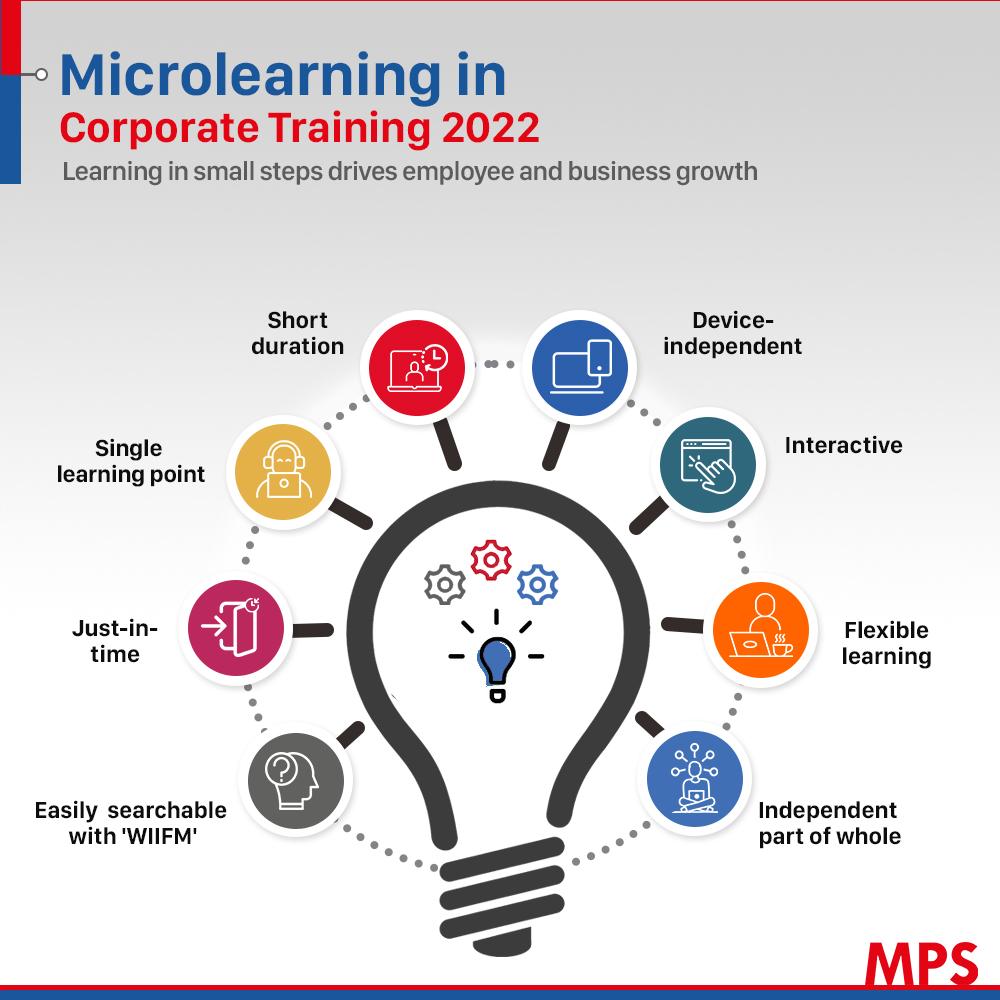
Microlearning refers to an educational approach that delivers content in small, focused units. Rather than traditional lengthy courses, microlearning modules are typically just a few minutes long and target specific skills or knowledge gaps. This format leverages modern employees’ attention spans and supports learning in the flow of work.
- Duration: Typically 2–10 minutes per lesson
- Formats: Videos, quizzes, infographics, podcasts, mobile apps, flashcards
- Focus: One learning objective per module
Why Microlearning Matters for Corporate Training
As organizations strive for better training results and higher employee engagement, microlearning has emerged as one of the top trends in corporate training and development. Here are a few reasons why microlearning is redefining employee development strategies:
1. Increased Knowledge Retention
Studies show that learners are more likely to retain information when it’s delivered in short, focused bursts. Microlearning minimizes cognitive overload and leverages repetition,leading to better long-term knowledge retention.
2. Just-in-Time Learning
Employees can access microlearning modules whenever they need them,right at the point of need. Whether it’s a quick compliance update or a product feature walkthrough, microlearning ensures timely knowledge delivery.
3. Higher Engagement and Motivation
Short, interactive, and visually appealing lessons keep employees engaged. The gamified elements and instant feedback typically built into microlearning platforms further motivate learners to complete their training.
4. Scalability
Companies can rapidly develop and deploy microlearning content across distributed teams, ensuring consistency in training and alignment across the institution.
Key Benefits of Microlearning in Employee Development
- Flexibility: Access training anytime, anywhere, on any device.
- Efficiency: No need to take employees away from their work for hours—training fits around schedules.
- Personalization: Content can be tailored to individual roles, needs, and learning styles.
- Analytics: Microlearning platforms offer rich data insights, letting managers track progress and effectiveness.
- Cost-Effectiveness: Less time spent in training means reduced costs and higher productivity.
“Microlearning has enabled our teams to upskill continuously,without disrupting their daily workflow. It’s become a cornerstone of our digital learning strategy.”
— HR Director,leading Tech Firm
How to Implement Microlearning in Your Corporate Training Program
Ready to leverage microlearning for employee development? Here’s a step-by-step guide to get started:
- Identify Learning Objectives: define clear,measurable goals for each microlearning module.
- Choose the right Platform: Select modern learning management systems (LMS) or microlearning apps that support multimedia content and mobile accessibility.
- Create engaging Content: Use a mix of formats—videos, interactive quizzes, and gamification—to keep employees engaged.
- Integrate with Existing Processes: Embed microlearning into daily routines and workflows.
- Measure and optimize: Gather analytics on participation, completion rates, and outcomes to refine your approach.
Microlearning Best Practices for Corporate Training Success
- Keep it concise: Each lesson should focus on one learning objective.
- Make it interactive: Add quizzes, scenarios, or branching choices to boost retention.
- Design for mobile: Ensure content is accessible and responsive on smartphones and tablets.
- Leverage storytelling: use real-life business scenarios to increase relevance and relatability.
- Encourage social learning: Integrate discussion boards or peer feedback options.
- Update regularly: Refresh modules to keep content relevant and up-to-date.
Case Studies: Microlearning in Action
Case Study 1: Financial services Firm Accelerates Product Training
A leading financial institution transitioned from traditional classroom sessions to microlearning modules for product training.Employees received 5-minute mobile lessons on new financial products, complete with knowledge checks. As a result, the firm reported:
- 47% advancement in product knowledge scores
- Reduced time-to-competency by 30%
- 83% favorable feedback from learners
Case Study 2: Global Retailer Boosts Compliance Training Engagement
A global retailer adopted a microlearning platform for regulatory and compliance training. With quick, scenario-based modules and regular push notifications, the retailer achieved:
- 99% course completion rate
- Notable reduction in compliance incidents
- Positive ROI due to reduced mandatory training hours
First-Hand Experience: What Employees Say
Employees overwhelmingly favor microlearning for its convenience and relevance. Here’s what a few have shared:
“I can complete a mini-lesson between meetings or on my commute. No more long, forgettable training days.”
— Project Manager, SaaS Company
“The instant feedback in microlearning quizzes helps me no what I’ve mastered right away.”
— frontline Sales Associate
Future Trends: The Evolution of Microlearning in Corporate Training
As employee development continues to prioritize agility and skills adaptability, microlearning is set to become even more interactive and intelligent. Here’s what’s on the horizon:
- AI-driven personalization: Recommending modules based on individual learning data and career goals.
- Integration with workflow tools: Embedding microlearning into platforms like Microsoft Teams or slack.
- AR/VR enhancements: Delivering immersive, scenario-based microlearning experiences.
Companies that embrace these innovations will stay ahead in building skilled, engaged, and resilient workforces.
Conclusion: Embrace Microlearning for Corporate Training Success
Maximizing corporate training success in today’s business landscape requires fresh, dynamic strategies. Microlearning offers a powerful pathway for companies to boost employee engagement, retention, and on-the-job performance with flexible, just-in-time learning. By implementing microlearning best practices and leveraging the right technology, organizations can future-proof their employee development initiatives and drive lasting business impact.
Are you ready to harness the power of microlearning in your corporate training strategy? Transform your employee development journey today and stay ahead in the evolving world of work.