
Maximizing Corporate Training Success with Microlearning: Benefits & Strategies
Corporate training is essential for growth, innovation, and employee development in today’s business landscape. Yet, customary learning methods often fail to engage modern learners, resulting in low retention rates and wasted resources. Enter microlearning—a game-changing approach that maximizes training success by delivering targeted,easily digestible lessons.In this article, we’ll explore the undeniable benefits of microlearning, showcase practical strategies for implementation, and provide real-world insights into transforming your corporate training programs.
What is Microlearning?
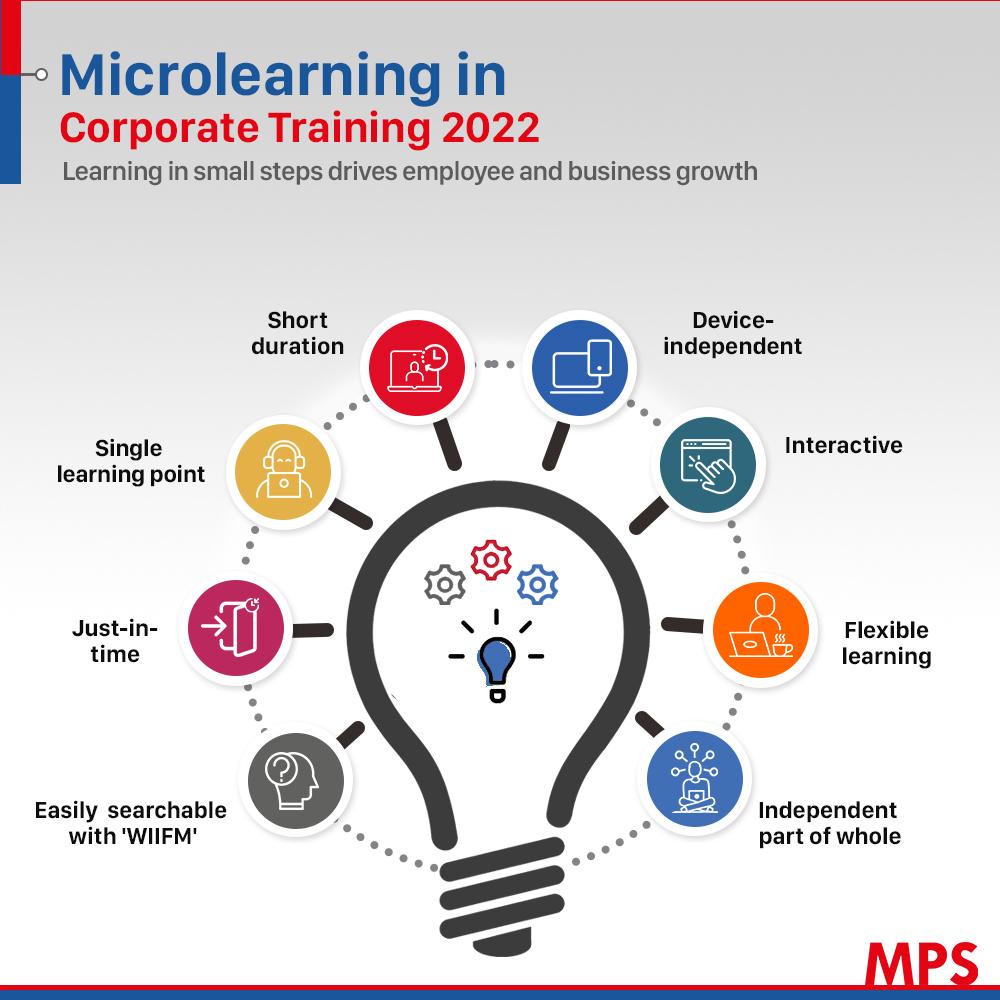
Microlearning is an educational technique that breaks down complex data into small, focused modules or lessons, usually lasting between 2 to 10 minutes. These micro-content bursts can be delivered through videos, infographics, quizzes, or interactive scenarios, making learning flexible, engaging, and easily accessible.
- Short Duration: Modules are designed for quick consumption,perfect for busy professionals.
- Just-In-Time: Learners access training right when they need it, boosting relevance and retention.
- Mobile-Amiable: Courses are optimized for on-the-go learning via smartphones and tablets.
The Benefits of Microlearning in Corporate Training
Adopting microlearning delivers meaningful advantages to organizations aiming to supercharge their workforce skills.
1. Enhanced Knowledge Retention
Studies show that learners retain more information when it’s presented in bite-sized chunks. Microlearning combats the forgetting curve,enabling employees to revisit content and reinforce key concepts as needed.
2. Increased Employee Engagement
Microlearning modules leverage interactive elements—like simulations, quizzes, and videos—to keep learners engaged. The short format prevents fatigue and maintains interest, driving higher course completion rates.
3. Flexibility and On-Demand Learning
Employees can fit microlearning into their hectic schedules, accessing training from anywhere, anytime. This empowers a remote or distributed workforce while catering to diverse learning preferences.
4. cost-Effectiveness
By focusing on core learning objectives, microlearning reduces development time and resource costs compared to traditional lengthy courses. Quick updates and easier scalability further optimize your training budget.
5. Supports Continuous Learning & skill Development
microlearning encourages a culture of continuous enhancement. Employees can upskill regularly, stay informed about industry changes, and close knowledge gaps proactively.
Proven Strategies to Maximize Corporate Microlearning Success
Implementing microlearning requires thoughtful planning and execution. Here are key strategies to ensure your training delivers lasting results:
1. Define Clear Learning Objectives
- Identify specific skills or competencies to address.
- Break down broader training goals into smaller, standalone topics.
- Ensure each module delivers measurable value aligned with business outcomes.
2. Design Engaging Content Formats
- Mix media: use videos, infographics, podcasts, and interactive scenarios.
- Incorporate real-world case studies and examples to reinforce learning.
- Gamify learning with badges, points, and quick challenges to motivate participation.
3. Use Mobile-First Platforms
- Leverage Learning Management Systems (LMS) that support mobile delivery.
- Ensure content is responsive and accessible across devices.
- Send push notifications or reminders via apps to prompt timely engagement.
4.Personalize Learning Paths
- Allow employees to select modules relevant to their roles or interests.
- Use data analytics to recommend content based on past performance or skill gaps.
- Create microlearning bundles for onboarding, compliance, leadership, and other key areas.
5. Monitor progress and Optimize
- Track completion rates, quiz scores, and learner feedback for each module.
- Regularly update content based on evaluation results and emerging business needs.
- Celebrate milestones and share success stories to build a sense of community.
Real-World Case Studies: Corporate Microlearning in Action
Case study 1: Tech Company Accelerates Onboarding
A Silicon Valley software company replaced its traditional 2-week onboarding course with a series of 5-minute microlearning modules covering system navigation, company policies, and security best practices. Within three months, they reported:
- 35% decrease in onboarding time
- 60% increase in employee engagement
- Improved compliance retention after six months
Case Study 2: Retail Chain Boosts Product Knowledge
A global retail leader implemented microlearning via a mobile app, sharing daily tips about new products, sales strategies, and customer service scenarios. Results included:
- Faster rollout of product updates
- Higher sales conversion rates
- Enhanced employee confidence and job satisfaction
First-Hand Experiences: Employee Voices
“Microlearning helped me master new software tools quickly without feeling overwhelmed. Being able to revisit short lessons on my phone before meetings made a huge difference in my productivity.”
– Alex, Marketing Specialist
“I love the bite-sized training modules. They fit perfectly into my workday and keep me motivated to keep learning. Our team’s weekly quiz challenges really spice things up!”
– Priya,Sales Manager
Practical Tips for Kickstarting a microlearning Initiative
- Start small: Pilot microlearning with a single department or training topic.
- Gather feedback continuously: Use surveys and analytics to measure effectiveness and tweak content.
- Integrate with existing systems: Embed microlearning into your current LMS and workflow platforms.
- Encourage social sharing: Allow employees to discuss and rate modules to foster peer-to-peer learning.
- Commit to ongoing improvement: Make microlearning a living part of your corporate learning culture—keep iterating and enhancing!
The Future of Corporate Training: Microlearning & Beyond
Microlearning is not just a passing trend—it’s rapidly emerging as the backbone of agile, employee-centric corporate training. With its clear advantages in engagement, retention, and cost-effectiveness, organizations embracing microlearning position themselves for long-term success in a competitive business world.
Conclusion
Corporate training success hinges on the ability to create impactful, flexible, and accessible learning experiences. Microlearning stands out as an essential strategy to maximize training effectiveness, boost employee performance, and foster continuous growth. By understanding its benefits, utilizing smart implementation strategies, and tracking results, your organization can elevate its learning initiatives and empower teams to thrive. Ready to transform your training program? Start small, iterate often, and let microlearning drive your corporate learning evolution.
Are you looking to begin your microlearning journey or optimize your existing corporate training programs? Explore our resources for expert guidance, cutting-edge tools, and proven solutions designed for modern workplaces.