
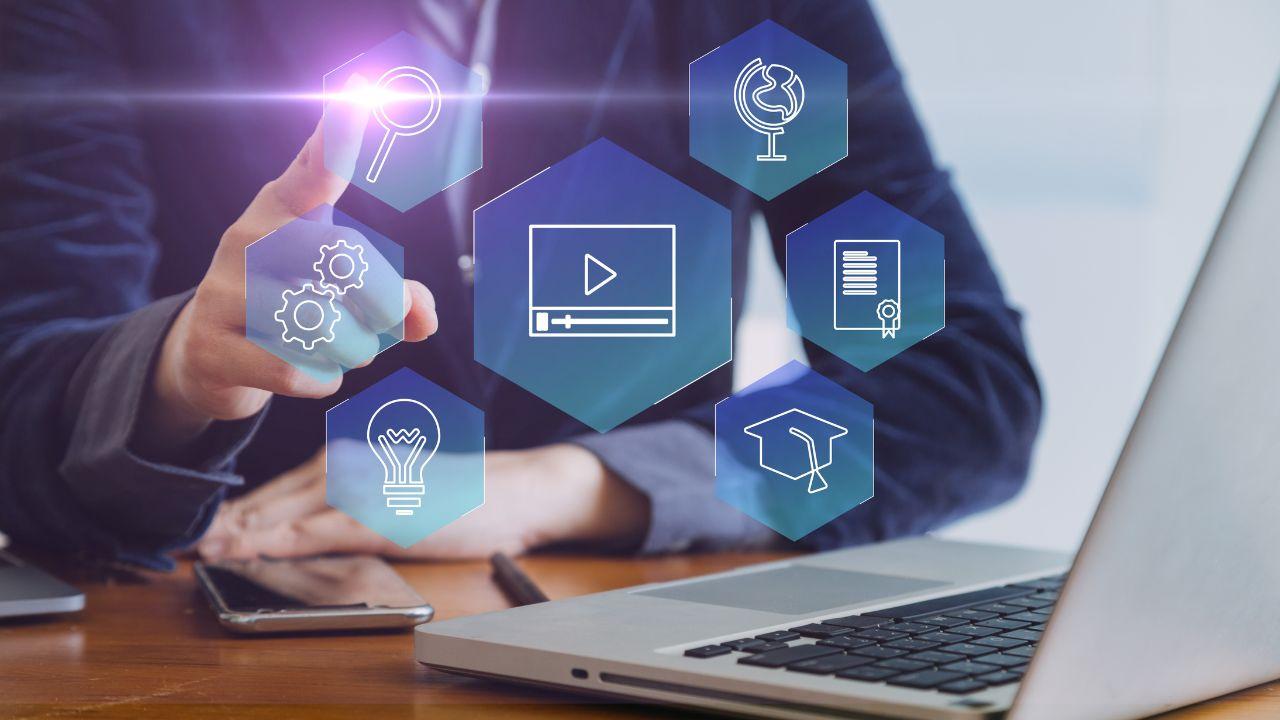
maximizing Corporate Training Success with Microlearning: Strategies & Benefits
Explore how microlearning is revolutionizing employee development. Learn proven strategies, real-world benefits, and actionable tips to drive success in your corporate training programs.
Introduction: The Rise of Microlearning in Corporate Training
In today’s fast-paced business landscape, customary training methods often fall short in meeting the learning needs of the modern workforce. Attention spans are shrinking while the demand for quickly digestible, on-demand learning resources continues to climb. Enter microlearning—a dynamic,mobile-friendly approach to corporate training that delivers content in bite-sized,targeted bursts. This article dives deep into maximizing corporate training success with microlearning, examining practical strategies, proven benefits, and real-world insights that can elevate your organization’s learning culture.
What is Microlearning?
Microlearning is an innovative approach to training that delivers information in small, manageable units rather than lengthy courses. Each learning module typically focuses on a single concept or skill and is designed to be completed in just a few minutes.
- Short-form content: Usually 2-10 minutes per lesson
- Mobile-friendly: Easily accessible from smartphones or tablets
- Highly focused: Targets specific skills or knowledge gaps
- On-demand access: Available anytime, anywhere
This shift empowers employees to learn at their own pace and apply knowledge instantly, making microlearning a cornerstone of modern corporate training strategies.
Key Benefits of Microlearning in corporate Training
Embracing microlearning methods can unlock numerous advantages for organizations. Here’s why businesses large and small are integrating microlearning into their corporate learning and development portfolios:
- Improved knowledge retention: By focusing on one topic at a time, employees remember and apply new information more effectively.
- Increased engagement: Interactive media, quizzes, and scenario-based learning sustain learners’ interest.
- Better flexibility and accessibility: Employees can access training resources from any device, at any time.
- Lower training costs: Microlearning modules are typically faster and less expensive to develop than traditional courses.
- Rapid skill development: Immediate access to precise information addresses real-time needs in the workflow.
- Analytics-driven improvement: Most microlearning platforms feature in-depth tracking to measure engagement and outcomes, helping enhance training ROI.
Did you know? According to the Journal of Applied Psychology, learning in bite-sized chunks makes knowledge transfer 17% more efficient.
proven Strategies to maximize Corporate Training Success with Microlearning
Implementing microlearning effectively requires strategic planning and alignment with business goals. Here are actionable strategies to get the most out of your corporate training initiatives:
1. Identify targeted Learning Objectives
Start by pinpointing specific skills or knowledge gaps you need to address. Microlearning works best when it solves a single, clear-cut problem. focus each module on a defined learning outcome to keep content succinct and relevant.
2. Blend Microlearning into an Omnichannel Approach
combine microlearning modules with in-person workshops, webinars, and traditional eLearning for a well-rounded corporate training programme. This blended learning strategy enhances engagement and accommodates different learning preferences.
3. leverage Multimedia and Interactive Content
Use videos, infographics, short quizzes, and gamification to make your microlearning modules more dynamic. Interactivity drives higher retention rates and makes the learning experience enjoyable.
4. Personalize Learning Paths
Microlearning platforms often allow for customized learning journeys. Tailor content to each employee’s role, experience level, and learning needs for maximum training impact.
5. Integrate Just-In-Time Learning
Deliver microlearning “in the flow of work,” giving employees instant access to performance support when and where they need it. This turns learning into a continuous, on-demand process rather than an isolated event.
6. Measure, Analyze, and Iterate
Make use of analytics to track learner progress, completion rates, and assessment scores. Use this data to refine your microlearning strategy and address any gaps.
Real-World Case Studies: Microlearning in Action
Case Study 1: Global Sales Training
A Fortune 500 tech company deployed microlearning modules to upskill its international sales teams. The content included scenario-based video lessons, speedy-reference guides, and short quizzes.Result: Sales reps showed a 25% improvement in product knowledge and a 19% increase in quarterly sales after three months.
Case Study 2: Compliance Training Transformation
A financial services firm transitioned from day-long seminars to compliance microlearning. Employees completed brief modules on their own devices, leading to a 40% reduction in time spent away from core duties and a measurable boost in compliance test scores.
Practical Tips for Integrating Microlearning
- Chunk complex subjects into a series of focused modules rather of one lengthy course.
- Keep design simple and visually appealing for quick consumption on mobile devices.
- Encourage feedback so you can continuously improve the learning experience.
- Automate reminders via emails or app notifications to encourage course completion.
- Utilize a Learning Management System (LMS) that supports microlearning, analytics, and content updates.
- Promote knowledge sharing by allowing learners to discuss modules and share insights on internal forums or chats.
First-Hand Experience: Employee Perspectives
Jane Doe, HR Manager: “switching to microlearning has wholly changed how our teams approach new systems and processes.The shorter modules fit perfectly into busy workdays, and we’ve seen stronger engagement across the board.”
Tom Nguyen, IT Specialist: “When a new cybersecurity policy rolled out, the microlearning format made it so much easier to digest the key points. I coudl go back, review quickly, and confidently put new practices in place.”
Conclusion: future-Proof Your Learning & Development with Microlearning
Maximizing your corporate training success with microlearning isn’t just a trend—it’s a highly effective way to elevate business performance, foster employee engagement, and accelerate skill mastery. As more organizations embrace digital transformation, implementing well-designed microlearning strategies ensures your workforce remains adaptable, informed, and ahead of the curve.
Ready to unlock the full potential of your employees? Integrate microlearning into your learning and development initiatives today and witness the advantages of a more agile, effective, and accomplished corporate training program.