
Maximizing Employee performance: How Microlearning Transforms Corporate Training Programs
Introduction
In today’s fast-paced business world, optimizing employee performance is key to achieving a competitive edge. As organizations strive for growth and innovation, effective corporate training programs become essential for building a skilled, engaged, and high-performing workforce.however, traditional training methods often fall short — long, cumbersome sessions can lead to details overload and low retention rates.
Enter microlearning: a modern, agile approach to learning and development that is transforming corporate training programs worldwide. In this in-depth guide, we explore how microlearning techniques can maximize employee performance, streamline the training process, and boost your company’s bottom line.
What is Microlearning?
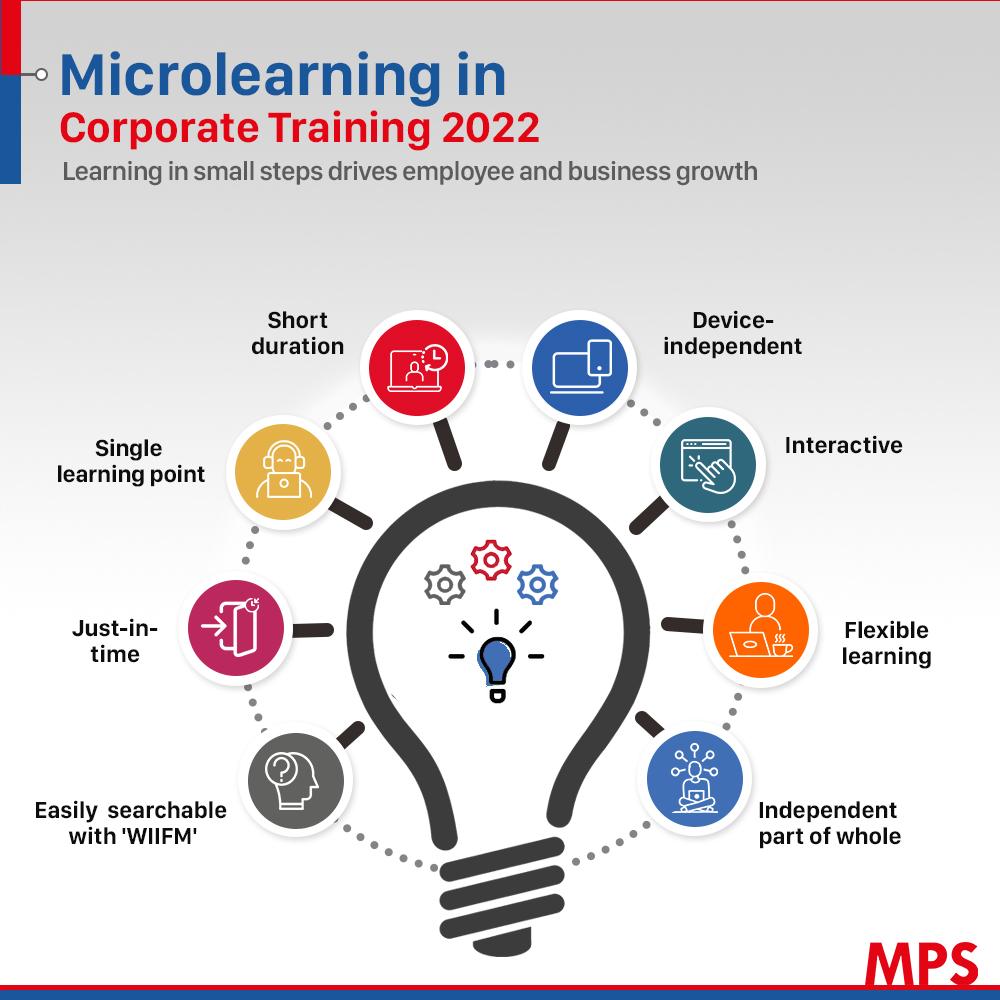
Microlearning breaks down complex topics into small, focused, and easily digestible learning units. These bite-sized training modules are typically delivered in formats such as short videos, quizzes, infographics, and interactive scenarios—lasting typically no more than 10 minutes.
- Bite-sized: Each module focuses on one particular skill or concept.
- Flexible: Accessible anytime, on any device, enabling learning on-the-go.
- Engaging: Incorporates multimedia elements to keep employees interested and motivated.
This approach aligns perfectly with modern learners’ preferences and the demands of a dynamic work environment,making microlearning an ideal solution for corporate training and continuous professional development.
how Microlearning Maximizes Employee Performance
Implementing microlearning in your corporate training programs can deliver meaningful gains in employee performance. Here’s how microlearning transforms the learning experience:
1.Improves Knowledge Retention
Research shows that people learn better when information is presented in small, concentrated bursts. microlearning allows employees to focus on one topic at a time, making it easier to absorb and remember new information.
2.Promotes Continuous Learning
Rather than waiting for annual workshops, microlearning enables year-round skill development. Employees can consistently access new content, keeping their knowledge up to date and relevant to evolving business needs.
3. Fits Modern workstyles
Employees are busier than ever and often juggle multiple tasks throughout their day. Microlearning modules are quick to complete, minimizing work disruption and making ongoing training feasible, even for the busiest teams.
4. Drives Engagement and Motivation
Interactive and multimedia-rich microlearning content is far more engaging than text-heavy manuals or lengthy lectures.Gamification elements like points, badges, and leaderboards can further incentivize participation and performance.
5. Enables Personalized Learning Paths
Employees can choose modules relevant to their roles or areas they wish to develop, resulting in a more personalized and relevant learning experience.
6. Immediate Application On the Job
Since microlearning focuses on actionable topics, employees can quickly apply what they learn to real-world situations, reinforcing skill acquisition and improving job performance almost instantly.
The Key Benefits of Microlearning for Corporate training
- Cost-Effective: Reduced training time and resources yield higher ROI for your learning and development budget.
- Scalable: Easily update and deploy new content to a growing or globally-dispersed workforce.
- Analytics-Driven: Track employee progress and pinpoint knowledge gaps for targeted intervention.
- Accessible: Employees can access content anytime, anywhere, on any device—ideal for hybrid and remote teams.
- Low Barrier to entry: employees feel less overwhelmed, leading to increased course completion rates.
“Microlearning is not just a trend—it’s a strategic approach that aligns training with how people learn best in today’s digital era.”
— L&D Expert,Forbes
Practical Tips for Implementing Microlearning in Your Corporate Training Programs
Ready to adopt microlearning? Here are actionable steps and best practices to help you seamlessly integrate microlearning into your employee training strategy:
- Start with Learning Objectives: Define clear,measurable objectives for each microlearning module to ensure content is focused and outcome-driven.
- Leverage Multimedia: Use videos, interactive simulations, podcasts, and infographics to enhance engagement and cater to different learning styles.
- Utilize Mobile Learning Platforms: Choose an LMS that supports mobile access, push notifications, and social sharing to widen reach and participation.
- Incorporate Gamification: Add quizzes, badges, and friendly competition to motivate learners and foster a culture of achievement.
- Measure and optimize: Regularly review analytics to assess completion rates, learner satisfaction, and knowledge retention—then refine your modules accordingly.
- Collect feedback: Involve employees in content curation—ask for feedback,uncover learning preferences,and adapt accordingly.
- Blend Learning Approaches: Combine microlearning with instructor-led or virtual training for a holistic learning experience.
Case Study: Microlearning in Action
Company: Global IT Solutions Provider
Faced with rapidly evolving technology and a globally distributed workforce, a leading IT company revamped its onboarding and ongoing development programs using microlearning. Short, scenario-based modules replaced dense technical manuals, enabling employees to learn critical troubleshooting skills in five-minute sessions.
- Training completion rates soared by 35% within six months.
- Customer satisfaction improved as employees resolved issues faster using job-aid microlearning refreshers.
- Employees reported a higher sense of confidence in their day-to-day roles.
First-Hand Insights from Learning & Development Leaders
“We saw a dramatic increase in both engagement and knowledge retention after switching to microlearning. Even our senior engineers preferred short, targeted modules over traditional courses. Microlearning allowed us to keep pace with change and foster a culture of self-driven learning.” — HR Director, SaaS Startup
Conclusion
Microlearning is revolutionizing corporate training programs and driving employee performance by delivering training that is flexible, engaging, and aligned with both organizational goals and the needs of today’s workforce. By embracing microlearning, companies can empower their employees to learn efficiently, grow their skills, and contribute more meaningfully to business success.
Whether you’re a Learning & Development manager, HR professional, or training provider, now is the time to integrate microlearning into your training strategy. Your employees—and your bottom line—will thank you.