
Maximizing Employee Performance: The Impact of Microlearning in Corporate Training Programs
In today’s fast-paced corporate world, organizations are constantly seeking innovative methods to boost employee performance and accomplish business goals efficiently. One of the most effective trends revolutionizing corporate training programs is microlearning. From improving knowledge retention to encouraging continuous learning, microlearning has become a key driver in maximizing employee performance across industries.
What is Microlearning?
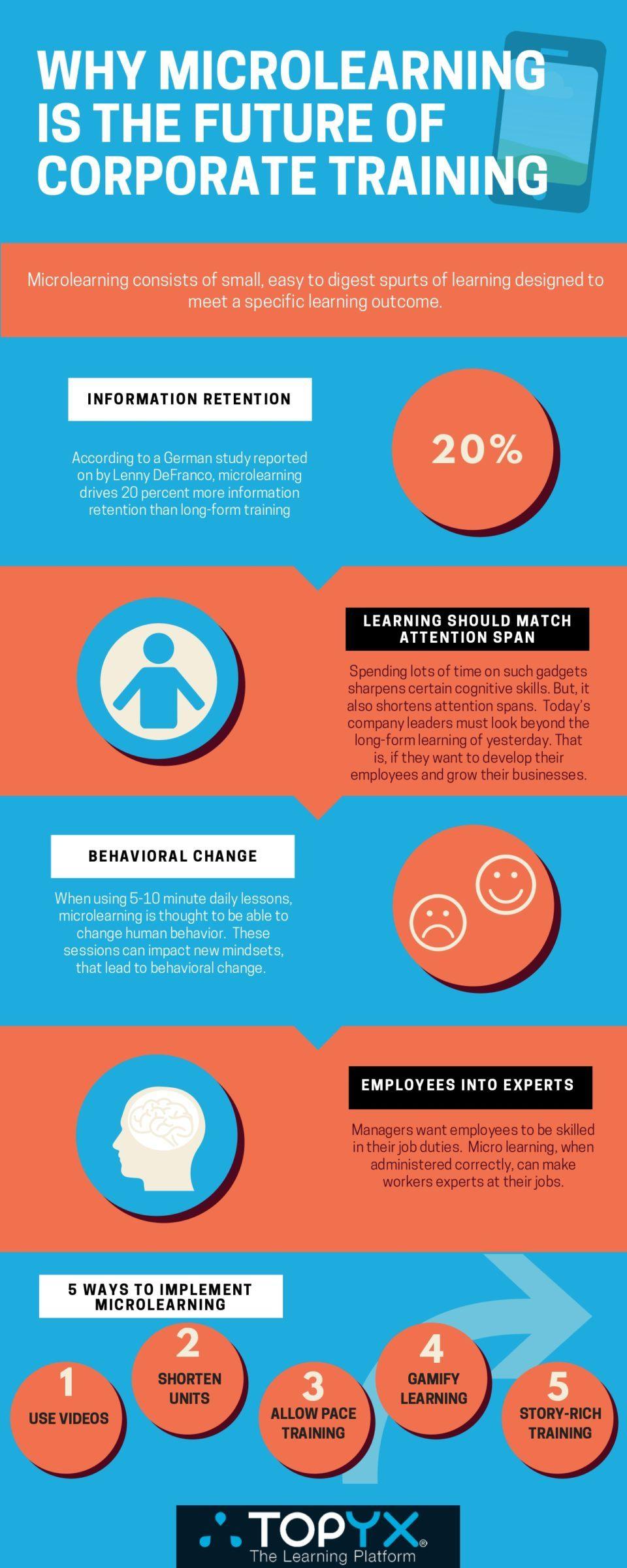
Microlearning refers to delivering training content in small, focused bursts. These modules typically last between three to five minutes and address specific topics or skill sets. Unlike conventional, lengthy training sessions, microlearning allows employees to access digestible content precisely when they need it – making corporate training more agile and impactful.
Why Microlearning Matters in Corporate Training Programs
- Adapts to short Attention Spans: Research shows that the average human attention span has dropped substantially. Microlearning caters to employees’ preference for concise, on-demand content.
- Supports Just-in-time Learning: Employees can access essential information when they need it most, increasing workplace efficiency and reducing downtime.
- Promotes Continuous Learning: Frequent, smaller learning experiences encourage a habit of continuous professional growth within organizations.
- Cost-Effective Implementation: Developing microlearning modules is usually faster and less expensive compared to traditional training programs.
The Impact of Microlearning on Employee Performance
Microlearning isn’t just a buzzword—its impact on employee performance is tangible and measurable.Hear’s how integrating microlearning into your corporate training programs can supercharge productivity and workplace outcomes:
1. Enhanced Knowledge Retention
Research by the Association for Talent Development (ATD) reveals that employees retain information longer when it’s presented in short, targeted segments. Microlearning leverages repeated exposure and reinforcement, wich helps cement knowledge and skills for long-term use.
2. Increased Employee Engagement
shorter modules are less daunting and easier to complete,which boosts engagement rates. Employees can learn at their own pace, leading to higher motivation and satisfaction with corporate training programs.
3. Greater Flexibility and accessibility
Microlearning modules are typically mobile-kind, allowing learners to access content anytime, anywhere—be it during breaks, commutes, or remote work settings. This adaptability supports today’s dynamic and diverse workforce.
4. Instant Application of Learned Skills
By focusing on one skill or topic at a time, employees can promptly apply new knowledge to their daily tasks. This “learn and apply” approach accelerates both individual and team performance.
Benefits of Microlearning in Corporate Training
- Personalization: Content can be tailored to address specific knowledge gaps or job roles.
- Scalability: Easy to update and deliver to a wide workforce, even in rapidly changing industries.
- Improved Training ROI: higher completion rates combined with efficient knowledge transfer translate to a greater return on investment.
- Reduced Disruption: Bite-sized sessions fit smoothly into the workday without disrupting productivity.
Practical Tips for Implementing Microlearning
Ready to embrace microlearning in your corporate training strategy? Here are some actionable steps to ensure success:
- Identify training Needs: Use surveys, performance reviews, and manager feedback to pinpoint skills gaps.
- Break Down Complex Topics: Divide comprehensive subjects into micro-modules that are easy to understand.
- Incorporate Multimedia: Use videos,infographics,and interactive quizzes to boost engagement and accommodate different learning styles.
- Ensure Mobile Compatibility: Design all modules to be accessible via smartphones and tablets.
- Monitor and Measure Outcomes: Track completion rates, assessment scores, and real-world performance improvements.
- Foster a Culture of Continuous Learning: Encourage employees to make microlearning a regular habit.
Case studies: Microlearning in Action
Companies across the globe are already reaping the benefits of embedding microlearning into their corporate training programs. Here are two real-world examples:
Case Study 1: Global Consulting Firm
A multinational consulting firm rolled out a microlearning initiative for onboarding new hires. By shifting from half-day seminars to 5-minute daily modules,the company realized:
- 35% increase in knowledge retention after six months
- 40% reduction in training costs
- Significantly higher engagement and completion rates
Case Study 2: leading Retail Chain
A large retailer used microlearning to train floor staff on customer service and product updates. Employees accessed quick video tutorials and scenario-based quizzes via their smartphones, resulting in:
- 20% enhancement in customer satisfaction scores
- Faster onboarding for seasonal staff
- Reduction in workplace errors and improved compliance
First-Hand Experiences: Voices from the Workplace
“I love how microlearning fits right into my daily routine. I can review new procedures or company policies during my commute and apply them immediately when I reach the office.” – Emily R.,HR Manager
“Switching to bite-sized training sessions has made a world of difference in my productivity.The content is relevant, accessible, and never feels overwhelming.” – Jamal T., Sales Representative
Frequently Asked Questions (FAQ) about Microlearning
- is microlearning suitable for all types of employee training?
Microlearning excels for skill-based, process-oriented, or compliance training. For deeper theoretical subjects, it’s best combined with other training methods.
- How frequently enough should microlearning modules be updated?
Update modules whenever workflows, regulations, or company policies change to keep content fresh and relevant.
- Can microlearning replace traditional workshops entirely?
While powerful for many scenarios, a blended learning approach often delivers the best results—leveraging both microlearning and in-depth workshops.
Final Thoughts: Embracing Microlearning for Maximum Performance
As workforce expectations evolve, adopting microlearning in corporate training programs is no longer just an option—it’s a strategic imperative. The bite-sized, focused learning approach not only supports busy schedules but drives better knowledge retention, engagement, and business outcomes.
by customizing and integrating microlearning with your broader employee development plans, your institution can maximize performance, foster innovation, and stay ahead in a competitive business environment.
Ready to supercharge your workforce? Start leveraging the power of microlearning in your corporate training programs today, and set your employees—and your business—up for long-term success.