
Maximizing Employee Success: The Power of Microlearning in Corporate Training Programs
Corporate training is evolving at lightning speed—and microlearning is at the forefront of this exciting conversion.As organizations strive to maximize employee success and engagement, bite-sized learning modules are quickly becoming a trusted method for delivering impactful skill advancement. In this article, we’ll explore the power of microlearning in corporate training programs, share practical tips for implementation, and provide real-world examples that highlight why this approach is setting a new standard for workforce education.
What Is Microlearning in Corporate Training?
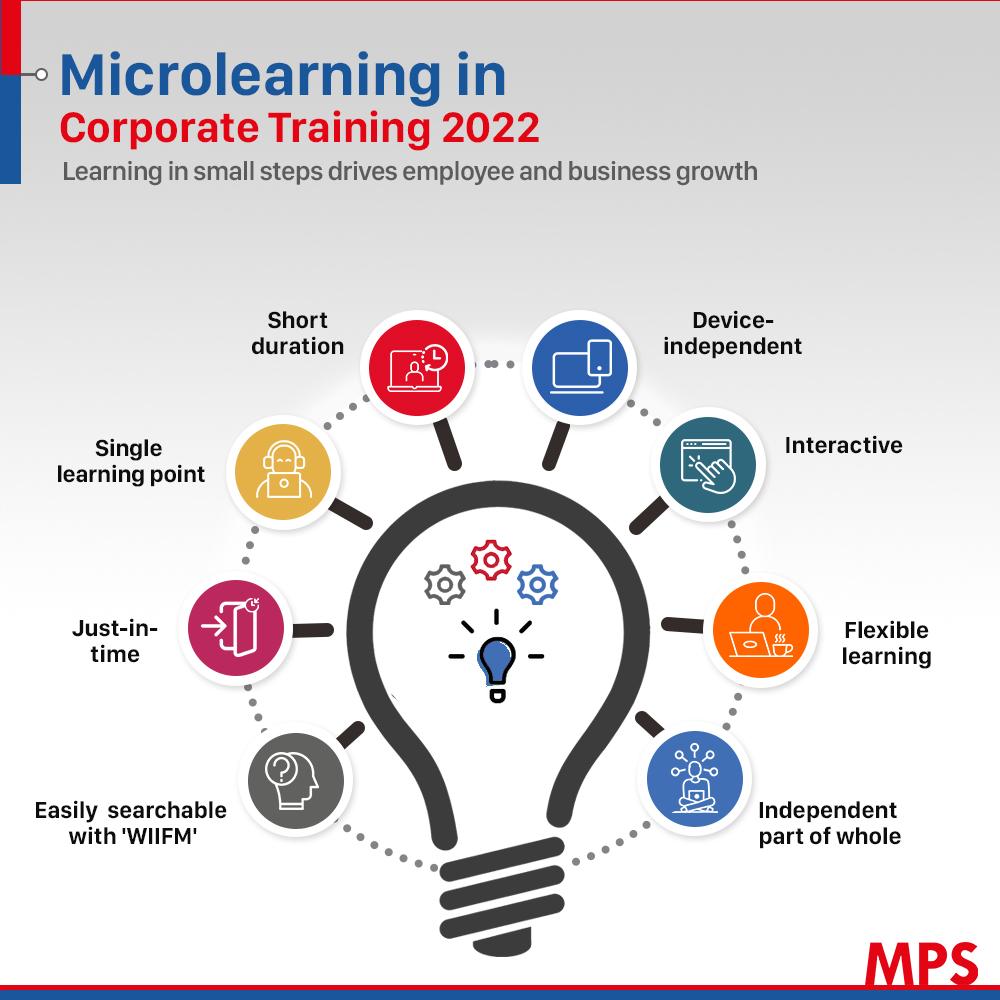
Microlearning is a training strategy that delivers content in small, focused segments—often five minutes or less.Unlike customary, lengthy training sessions, microlearning allows employees to consume facts quickly and efficiently, right within their workflow.This results in improved knowledge retention and higher engagement rates.
- bite-Sized Content: Short videos, quizzes, infographics, and interactive modules.
- Mobile-Friendly: Training accessible anywhere, anytime.
- Targeted Delivery: Focus on one learning goal or skill at a time.
Why Microlearning Matters for Modern Businesses
Rapid changes in technology and business processes require agile learning solutions. Microlearning empowers organizations to keep pace with evolving skills demands—while minimizing downtime and maximizing productivity.
Key Benefits of Microlearning in Employee Training
Wondering how microlearning can give your corporate training program a competitive edge? Here are some defining benefits that highlight its power in maximizing employee success:
- Boosted Knowledge Retention: Studies show that learners retain more information from concise, repeated sessions versus lengthy trainings.
- Enhanced Engagement: Interactive, bite-sized modules keep employees motivated and invested in their learning journey.
- Time Efficiency: Employees can fit trainings into their busy schedules, learning at their own pace without disrupting productivity.
- Scalability: Easily rolled out to diverse teams and locations, microlearning supports consistent knowledge transfer organization-wide.
- Cost-Effectiveness: Shorter content is often less expensive to produce, update, and distribute.
Table: Microlearning vs. Traditional Training
| Criteria | Microlearning | Traditional Training |
|---|---|---|
| Duration | 1-10 minutes | 1 hour or more |
| Versatility | On-demand, mobile accessible | Scheduled, location-dependent |
| Engagement | High—interactivity and variety | Can be passive or monotonous |
| Cost | Lower production and update costs | Higher due to length and logistics |
Practical Tips for Implementing Microlearning in Your Training Program
To unlock the full potential of microlearning in corporate training, organizations should approach implementation with strategic planning. Here are some actionable steps and best practices:
- Align Content with business Objectives
- Design modules that target specific skills, competencies, or compliance needs.
- Identify key performance indicators (KPIs) to measure success.
- Leverage Engaging Multimedia Formats
- Mix video, audio, infographics, and interactive quizzes to cater to diverse learning preferences.
- Use storytelling for relatable, memorable learning experiences.
- Enable Mobile Learning
- Select a learning platform that supports mobile-friendly content delivery.
- Encourage on-the-go learning for field and remote employees.
- Promote Continuous learning Culture
- Send push notifications for new content or reminders.
- Encourage leadership to participate and champion microlearning initiatives.
- Measure, Optimize, and Iterate
- Analyze completion rates, assessment results, and feedback.
- Update and refine modules regularly based on learner performance.
Case Studies: Microlearning Success Stories in Corporate Training
Many high-performing organizations have revolutionized their corporate training programs by embracing microlearning. Here are a few notable examples:
Case Study 1: Global Technology Company
- Challenge: Onboarding hundreds of new hires across multiple time zones.
- Microlearning Solution: Developed a library of short onboarding videos and quizzes accessible via a mobile app.
- Results: 30% faster onboarding, a 40% increase in knowledge retention, and improved employee engagement scores.
Case Study 2: Multinational Retailer
- Challenge: Delivering safety and compliance training to a large, frontline workforce.
- Microlearning solution: Implemented daily 5-minute “learning nuggets” featuring scenario-based questions.
- Results: Reduced incident rates, higher compliance test pass rates, and overwhelmingly positive feedback from employees.
First-Hand Experience: The Employee Viewpoint
What do employees say about microlearning? Here are some comments from learners participating in successful corporate training programs:
“I love being able to fit learning into the gaps in my day—the short videos are much easier to digest.”
“Microlearning makes it feel like I’m actually progressing, rather than sitting through hours of slides that don’t stick.”
“Accessing training on my phone is a game-changer, especially when working from different sites.”
Future Trends: microlearning and Corporate Training Evolution
As workplace learning becomes increasingly digital and dispersed, microlearning is poised to play a central role in the future of employee development.
- AI-Powered Personalization: Algorithms delivering content tailored to individual learner needs and roles.
- Micro-Assessments: Real-time quizzes and knowledge checks for instant feedback.
- Social Learning: Peer sharing, discussion forums, and leaderboards driving engagement.
- Just-in-Time Training: Contextual learning delivered exactly when and where it’s needed on the job.
Conclusion: Amplify Employee Success with Microlearning
Microlearning is not just a trend—it’s a proven strategy for maximizing employee success in modern corporate training programs.By breaking down complex topics into approachable segments, organizations can foster continuous learning, improve retention, and drive lasting employee engagement. Whether you’re updating compliance measures, launching new products, or onboarding new team members, microlearning can give your workforce the skills and confidence thay need to excel.
Today’s business landscape demands agility—and microlearning is the key to delivering impactful, scalable, and enjoyable training solutions. Invest in microlearning and unlock the full potential of your team’s growth and success.