
Measurement and Evaluation Analyst: Key Skills,Roles,and Career Pathways Explained
Are you passionate about improving learning outcomes and data-driven decision making in education? If you’re searching for a rewarding career that blends educational impact with analytical skills,the Measurement and Evaluation Analyst role in education technology may be your perfect fit. This comprehensive guide explains what the position entails, required qualifications, career benefits, and actionable tips to help you land your next job in a university, collage, or school.
what is a Measurement and Evaluation analyst in Education Technology?
A Measurement and Evaluation Analyst in education technology is a specialist tasked with evaluating the effectiveness of educational programs, digital learning tools, and teaching interventions using data-based methods. They work closely with educators, instructional designers, EdTech developers, and administrators at universities, colleges, and schools to ensure that learning objectives are met and improvements are continually made.
This role integrates expertise in psychometrics, statistics, educational theory, and emerging technology to enhance both student experiences and institutional performance.
Core Roles and Responsibilities
Modern Measurement and Evaluation Analysts wear many hats across the spectrum of educational data analytics. Here are the core responsibilities you can expect in this EdTech job:
- Data Collection and Management: Designing and administering surveys, assessments, and data-collection tools to gather quantitative and qualitative data.
- Statistical analysis: Applying statistical techniques to analyze student performance, engagement metrics, and learning outcomes.
- Program Evaluation: Evaluating the impact of new digital initiatives, classroom technologies, and curricular changes through rigorous methodologies.
- Assessment Progress: Creating reliable and valid tests and instruments to measure learning progress and educational goals.
- Reporting and Communication: Producing clear, actionable reports and visualizations for various stakeholders, including faculty, administrators, and policymakers.
- Compliance and Accreditation Support: Assisting with institutional accreditation processes by providing robust data and assessments as evidence of educational quality.
- Continuous Betterment Initiatives: Recommending improvements based on data insights, and helping to implement evidence-based changes to learning technologies and strategies.
- Collaboration: Working with interdisciplinary teams including technologists, educators, and external consultants to drive innovation in educational measurement.
Essential Skills for Success as a Measurement and Evaluation Analyst
to thrive as a Measurement and Evaluation Analyst in higher education or school settings, you’ll need a mixture of technical acumen, educational insight, and communication prowess. Here are the top skills employers demand:
- Statistical Analysis and Data Literacy: Mastery of statistical software (such as SPSS, R, SAS, or Python), and advanced skills in analyzing complex educational datasets.
- Pyschometric Knowlege: Understanding principles of test development, validity, reliability, and fairness in assessment.
- Qualitative Research Methods: Designing and conducting interviews, focus groups, and open-ended survey analysis.
- Educational Theory: Familiarity with learning theories, curriculum frameworks, and educational standards (such as Bloom’s Taxonomy and accreditation criteria).
- Report Writing and Data Visualization: Ability to present technical findings in accessible language, using charts and infographics for diverse audiences.
- Project Management: Managing multiple evaluation projects together, often with tight deadlines and multidisciplinary teams.
- Communication and Interpersonal Skills: Translating insights to non-technical stakeholders, and facilitating workshops or professional development sessions.
- Technology Savvy: Staying up-to-date with the latest education technology platforms and learning management systems (e.g., Canvas, Blackboard, Moodle).
Educational Background and Qualifications
The preferred academic pathway for Measurement and Evaluation Analyst roles in EdTech typically includes:
- Bachelor’s Degree in educational measurement, statistics, psychology, social sciences, or a related field (required for entry-level roles).
- Master’s Degree or Higher in education, measurement and evaluation, educational technology, or data science (strongly preferred for advanced roles in universities or research institutions).
- Professional Certifications in data analytics, evaluation, or project management are beneficial.
- Relevant Experience in educational research, testing, assessment design, or EdTech is a important asset.
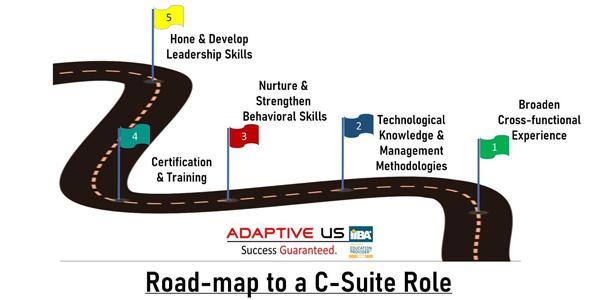
Career Pathways and Advancement Opportunities
The Measurement and Evaluation Analyst role opens multiple career pathways in education technology:
- Senior Analyst or Evaluation Specialist: Progress to higher obligation, leading large-scale institutional evaluation projects.
- Director of Institutional Research: Step into leadership, managing teams and shaping strategic data initiatives at universities and colleges.
- Assessment Designer or Testing Coordinator: Specialize in psychometrics and educational measurement for major EdTech companies or examination boards.
- Educational Consultant: Branch out as a consultant, providing measurement services and improvement plans to multiple institutions.
- EdTech Product Manager: Use analytics expertise to inform the design and effectiveness of new educational technology products.
There is also potential for lateral movement into roles such as learning analytics, instructional design, or educational policy analysis.
Benefits of Working as a Measurement and Evaluation Analyst
Pursuing a career as a Measurement and Evaluation Analyst in education technology offers both personal and professional rewards, including:
- Impact: Directly influence the quality of teaching, learning, and student success through refined data interpretation and innovation.
- Job Stability: Growing emphasis on accountability and data-driven decision making in education ensures continuous demand for skilled analysts.
- career Flexibility: Opportunities to work in a variety of environments, from K-12 schools to prestigious universities and private edtech firms.
- Professional Growth: Exposure to interdisciplinary projects, continual learning, and emerging technologies in teaching and assessment.
- Competitive Compensation: analysts in higher education and EdTech enjoy competitive salaries and comprehensive benefits.
Practical Tips for Landing a Measurement and Evaluation Analyst Job
If you’re ready to pursue a Measurement and Evaluation Analyst position in education technology, here are some practical steps to boost your chances:
- Enhance Your Analytical Toolkit: Take courses in statistics, data visualization, and psychometrics. Get certified in data analysis tools frequently enough used in education research.
- Gain Real-World Experience: Seek internships, research assistantships, or volunteer roles in educational assessment projects—especially those involving digital tools.
- Build a Portfolio: Document your project work, presentations, and reports. Showcase before-and-after improvement stories to highlight the impact of your analyses.
- Network with EdTech professionals: Attend conferences, join professional associations (e.g., AERA, NCME), and engage in online EdTech communities.
- Tailor Your Application: Highlight keywords such as “assessment development,” “program evaluation,” and “educational analytics” in your resume and cover letter.
- Prepare for Behavioral Interviews: Anticipate scenarios that require demonstrating your analytical thinking, communication, and adaptability in education settings.
- Stay Current: Follow EdTech trends, government education policies, and advancements in learning analytics.
Future Trends in measurement and Evaluation within EdTech
The EdTech job market for Measurement and Evaluation Analysts is evolving rapidly. Here are some trends shaping the future:
- Adaptive Assessments: Increased use of AI-powered tools that personalize learning and assessment in real time.
- Learning Analytics Expansion: Institutions rely more on large-scale data analytics to inform curriculum design, student support, and institutional accreditation.
- Equity and Inclusion Focus: Growing demand for analysts who can address achievement gaps and ensure fair, accessible assessments for all learners.
- Integration of Big Data and Machine Learning: sophisticated techniques are reshaping how learning outcomes are measured and improved.
Conclusion: Start Your EdTech Career Journey Today
The role of Measurement and Evaluation Analyst is a cornerstone of success in today’s data-driven education landscape. Weather you’re seeking your first job or transitioning from classroom teaching, your expertise in measurement, assessment, and analytics can make a significant impact at universities, colleges, or schools. By developing core skills, staying updated on EdTech trends, and proactively networking, you’ll position yourself as a valuable asset in the education technology sector.
Embark on your career journey as a Measurement and Evaluation Analyst and play a pivotal role in shaping the future of education with every dataset you analyze!