
Measuring the Impact: How Effective Are VR and AR Technologies in Education?
The landscape of education is evolving at a rapid pace. Among the most exciting innovations reshaping classrooms globally are Virtual reality (VR) and Augmented Reality (AR) technologies. As immersive learning tools, VR and AR promise higher engagement, deeper understanding, and enhanced retention rates for students of all ages. But just how effective are VR and AR technologies in education? In this comprehensive article, we’ll measure the impact of these groundbreaking technologies, exploring their benefits, practical applications, and real-world case studies to help you better understand their potential.
Understanding VR and AR in Education
Before delving into the effectiveness of VR (Virtual Reality) and AR (Augmented Reality) in educational settings, it’s essential to clarify what each technology offers:
- Virtual Reality (VR): VR generates a fully immersive, computer-generated environment. Wearing a headset, students are transported to digital worlds—think historical sites, the interior of a cell, or outer space—allowing active exploration without leaving the classroom.
- Augmented Reality (AR): AR overlays digital details—such as 3D models, videos, or interactive content—onto the real world using smartphones, tablets, or AR glasses. This blend of digital and physical worlds makes learning interactive and context-rich.
Benefits of VR and AR for Education
The benefits of VR and AR technologies in education are extensive, impacting both teaching and learning.Here are some of the most compelling advantages:
- Enhanced Engagement and Motivation: VR and AR foster a highly engaging learning environment by appealing to students’ senses and curiosity. Lessons come alive, turning abstract or complex concepts into real experiences.
- Improved Retention and Recall: Studies have found that immersive learning helps students remember information longer, as hands-on interaction increases retention compared to traditional teaching methods.
- Accessibility and Inclusivity: VR and AR can be tailored for students with special needs, making learning more accessible through customizable and adaptive content.
- Safe Simulations: Students can practice hazardous experiments or explore dangerous environments (like chemical reactions or field trips to volcanoes) in a risk-free setting.
- real-World Skill Development: These technologies promote problem-solving, collaboration, and decision-making skills by offering practical, scenario-based learning experiences.
How Effective Are VR and AR Technologies in Education?
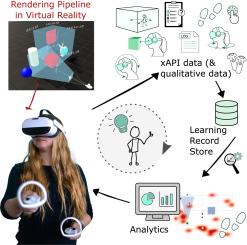
To accurately measure the impact of VR and AR in education, it is essential to look at empirical research, user experiences, and educational outcomes.
research Findings
- Higher Academic Performance: According to a Frontiers in Education study, students taught with VR scored an average of 10% higher than those taught with traditional methods.
- Increased Motivation: Surveys from the EDUCAUSE Learning Initiative indicate that over 90% of students found lessons more fascinating and were more likely to participate in VR- and AR-enabled classrooms.
- Inclusive Learning: Research published in the Computers & Education journal highlights that AR applications support differentiated instruction,benefiting diverse groups of learners.
Measuring Impact: Key Performance Indicators (KPIs)
When evaluating the effectiveness of VR and AR in education, teachers and administrators can consider these KPIs:
- student Engagement Rates (class participation, attention span)
- Assessment Scores (pre- and post-lesson tests, project-based evaluations)
- Knowledge Retention (retention rates over time, ability to apply learning)
- Classroom Inclusivity (accessibility for special needs, equal participation opportunities)
- Teacher and Student Feedback (satisfaction surveys, qualitative comments)
Regularly tracking these metrics can help schools and educators fine-tune their approach to VR and AR integration, ensuring technology adds true educational value.
Real-World case Studies
To better grasp the transformative power of VR and AR in education, let’s look at a few notable case studies:
- ZSpace in K-12 STEM Education: ZSpace provides AR experiences for science classrooms.Schools using ZSpace reported substantially higher science test scores and increased student engagement, especially in subjects previously considered challenging.
- The Virtuali-Tee by Curiscope: This AR t-shirt allows students to see inside the human body using mobile devices. Teachers found that students retained anatomical information more effectively and were more enthused about biology lessons.
- Pearson’s VR Chemistry Labs: Pearson developed virtual chemistry labs that allow for safe, repeatable experimentation. Schools using the program saw fewer lab mishaps and more students pursuing advanced science courses.
First-Hand Experience: Voices from the Classroom
Ms. Julia Grant, High School Science Teacher:
“Introducing VR headsets into the classroom has revolutionized my lessons. Students are genuinely excited to learn and frequently enough stay after class to explore more. Struggling students have become more confident, and test scores reflect a notable improvement.”
James, Grade 7 Student:
“Learning about ancient history was always boring, but exploring the Egyptian pyramids in VR was awesome—I remember so much more now!”
These snapshots from real classrooms underscore the tangible benefits VR and AR can bring to student learning and motivation.
Practical Tips for Implementing VR and AR in Education
Interested in bringing VR and AR into your educational institution? Here are some practical steps to get started:
- Assess Your Needs: Consider curriculum areas that could benefit most from immersive experiences—sciences, geography, history, or vocational training are excellent starting points.
- Pilot Programs: Start small. Test a pilot program in one class or subject before scaling across the school.
- Choose the right Technology: Select hardware and software that match your budget and are compatible with your classroom devices. Many AR apps function on tablets or smartphones you may already have.
- Train Staff: Provide teachers with the training they need to integrate these tools effectively. Many providers offer free workshops or online tutorials.
- Gather Feedback and Iterate: Collect feedback from both students and teachers to evaluate what’s working and what can be improved. Adapt your use of the technology as necessary.
- Seek funding Opportunities: Explore grants, partnerships with tech companies, and community sponsorships to help finance your VR and AR initiatives.
Potential Challenges to Consider
While VR and AR technologies offer notable benefits, there are challenges to keep in mind:
- Initial Costs: VR headsets and AR platforms can be expensive to acquire and maintain.
- Technical Barriers: Devices may require regular updates, and robust Wi-Fi networks are essential for smooth operation.
- Teacher training: Successful implementation depends on adequate teacher training and ongoing support.
- Equity Concerns: Not all students may have access to devices at home, so bridging the digital divide is crucial for widespread adoption.
Thoughtful planning and phased rollouts can help mitigate these challenges and ensure sustainable integration of immersive technologies in education.
Conclusion: Unlocking the Future of Learning
measuring the impact of VR and AR technologies in education reveals a strong, positive effect on student engagement, learning retention, and overall academic performance. These innovative tools are not mere novelties—they represent a new era of immersive, hands-on learning that can bridge traditional learning gaps and prepare students for a tech-driven future. By thoughtfully integrating VR and AR tools, educational institutions can cultivate more curious, capable, and confident learners. The future of education is here, and it’s (virtually) limitless!