
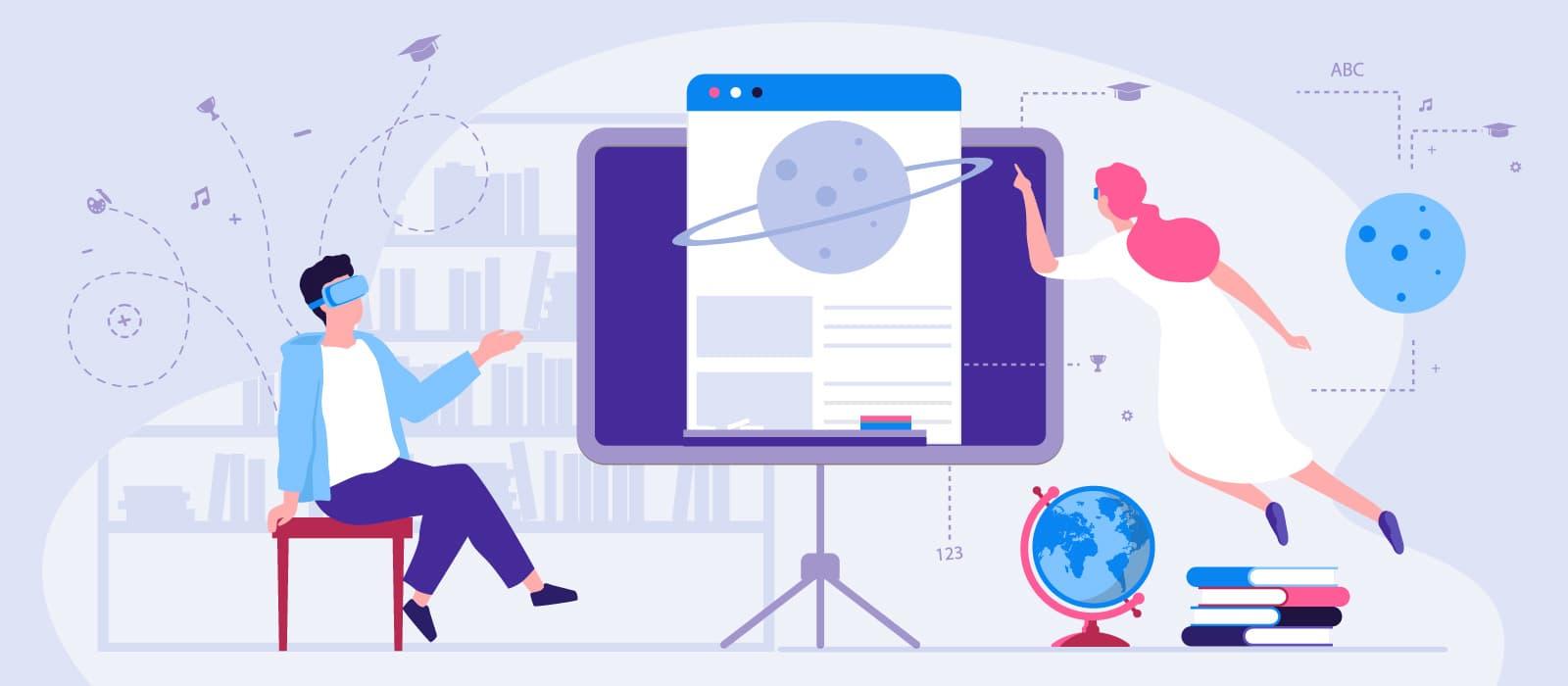
Measuring the Impact: How Effective is VR/AR Technology in Modern Education?
Virtual Reality (VR) and Augmented Reality (AR) have rapidly evolved from futuristic concepts to practical tools in the modern classroom. As educational institutions worldwide embrace immersive learning technologies, it has become essential to evaluate and measure their true impact. But how effective is VR/AR technology in advancing student learning outcomes? In this comprehensive article, we delve into the effectiveness of VR/AR in education, exploring its numerous benefits, examining case studies, and sharing actionable tips for educators eager to leverage these innovations.
Understanding VR/AR Technology in Education
Before measuring impact, let’s clarify the distinction between VR and AR in education:
- virtual Reality (VR): Immerses students in a entirely digital surroundings, removing them from the physical world. Examples: virtual lab simulations, ancient recreations.
- augmented Reality (AR): Overlays digital content on top of the real world, blending physical and virtual learning.Examples: interactive anatomy apps, AR flashcards.
Both VR/AR technologies are making strides in transforming traditional teaching methods, fostering experiential and active learning environments.
The Measurable Benefits of VR/AR in Modern Education
Educational technology is only as good as it is indeed effective. Let’s examine the documented benefits and measurable outcomes of integrating VR/AR into classrooms:
1.Enhanced Student Engagement and Motivation
- interactive 3D models and immersive scenarios grab attention and motivate students to participate.
- Gamification through challenges, points, and badges keeps learners invested and driven.
2. Improved Knowledge Retention and Comprehension
- Studies show that immersive learning environments help learners retain information significantly longer than traditional textbook learning.
- Active participation in virtual experiments or explorations deepens understanding of complex concepts.
3. Accessibility and Inclusivity
- Students wiht diverse learning needs benefit from multisensory learning experiences provided by VR/AR apps.
- Geographical or physical limitations are no longer barriers; field trips and lab experiences are accessible to all.
4. Real-World Skill Development
- Virtual labs and AR simulations allow safe, repeatable practice for STEM, medical, and technical subjects.
- Soft skills such as collaboration and critical thinking are honed through group-based immersive tasks.
Latest Research: Quantifying the Impact of VR/AR in the Classroom
To accurately measure how effective VR/AR technology is in modern education, let’s consider what recent studies and surveys reveal:
-
A 2023 Pearson study concluded that students using VR/AR achieved learning outcomes up to 25% faster compared to traditional methods.
-
Research published in the Journal of Educational Computing Research describes meaningful gains in retention rates and test scores, particularly in STEM and medical training.
-
According to EDUCAUSE, 90% of educators who adopted immersive technologies reported noticeable improvements in students’ engagement and understanding of difficult concepts.
Importantly, results highlight the need for thoughtful implementation—simply adopting technology does not guarantee better outcomes.Teacher training and curriculum alignment remain critical factors.
Case Studies: VR/AR Transforming Learning Environments
Case Study 1: Bringing Biology to Life with AR
At a high school in California, educators used AR to project interactive 3D models of human anatomy in classrooms. Students were able to dissect and examine organs virtually,leading to a recorded 15% advancement in final exam scores. teachers reported that visual and hands-on learners excelled particularly well.
Case Study 2: VR Chemistry Labs During Remote Learning
During the COVID-19 pandemic, several universities deployed VR platforms to simulate chemistry labs. Students performed complex experiments in a controlled virtual environment, overcoming the challenge of limited lab access. The use of VR not only reduced risk but also increased students’ confidence and practical skills.
Case Study 3: Virtual History Field Trips
An elementary school in London integrated VR field trips to historical sites, allowing students to “visit” ancient Rome and the Pyramids.Post-project surveys showed a dramatic increase in historical empathy and critical thinking skills.
Practical Tips for Effective VR/AR Implementation in Education
- Select Curriculum-Aligned Content: Choose VR/AR applications and experiences that directly support your learning objectives and subject matter.
- Prioritize Accessibility: Ensure your chosen solutions are accessible across different devices and accommodate students with disabilities.
- Educator Training: Invest in professional development to empower teachers with the know-how to integrate immersive technology meaningfully.
- Facilitate Collaboration: Encourage group activities within VR/AR environments to promote social learning and teamwork.
- Collect Feedback and Assess Impact: Use quizzes, surveys, and analytics tools to measure student progress and adjust your approach accordingly.
First-hand Experiences: what Educators and Students Say
“VR made abstract physics concepts concrete for my students. Their participation doubled, and struggling learners finally felt engaged.”
– Ms. J. Turner, High School Science Teacher
“I never thought learning history could be fun until we took a virtual trip to Ancient Egypt. It’s like I was really there!”
– Jamie,Middle School Student
These testimonials underscore the transformative potential when VR/AR is integrated thoughtfully into teaching and learning.
Challenges and Considerations
Despite the exciting prospects, schools do face challenges in VR/AR adoption:
- cost and Infrastructure: High-quality hardware can be expensive, and reliable internet connectivity is essential.
- Content Limitations: Not all subjects have readily available VR/AR educational resources.
- Teacher Buy-In: Ongoing support and training are needed for educators to feel comfortable adopting new technology.
- Health and Safety: Prolonged VR use may cause motion sickness or eye strain. Short, well-supervised sessions are advised.
Planning, budgeting, and ongoing evaluation are crucial for scaling immersive edtech successfully.
Conclusion: Unlocking the Full Potential of VR/AR in Modern Education
Measuring the impact of VR/AR technology in modern education reveals clear and transformative benefits, from heightened engagement to deeper understanding and greater accessibility. The key to unlocking the full potential of immersive technologies lies in thoughtful integration—aligning tools with curriculum, investing in teacher training, and prioritizing inclusivity.
As the pace of educational innovation accelerates, VR/AR is not just a fleeting trend but a powerful catalyst for enriched, equitable, and future-ready learning. Schools, colleges, and educators who embrace and measure the impact of these technologies are well positioned to elevate student outcomes for years to come.
ready to explore more about educational technology? Stay tuned for expert insights, reviews, and best practices for immersive learning on our blog.