
Measuring the Impact of Bite-Sized Learning: How Microlearning Drives Results
In today’s fast-evolving corporate landscape, organizations strive to deliver effective training without overwhelming their teams. Bite-sized learning, known as microlearning, breaks complex subjects into simple, manageable modules—a method gaining meaningful traction in Learning & Advancement (L&D). But are you getting the results you want? In this article, we’ll address how to measure the impact of microlearning and demonstrate why it’s the future of workplace education.
What is Microlearning?
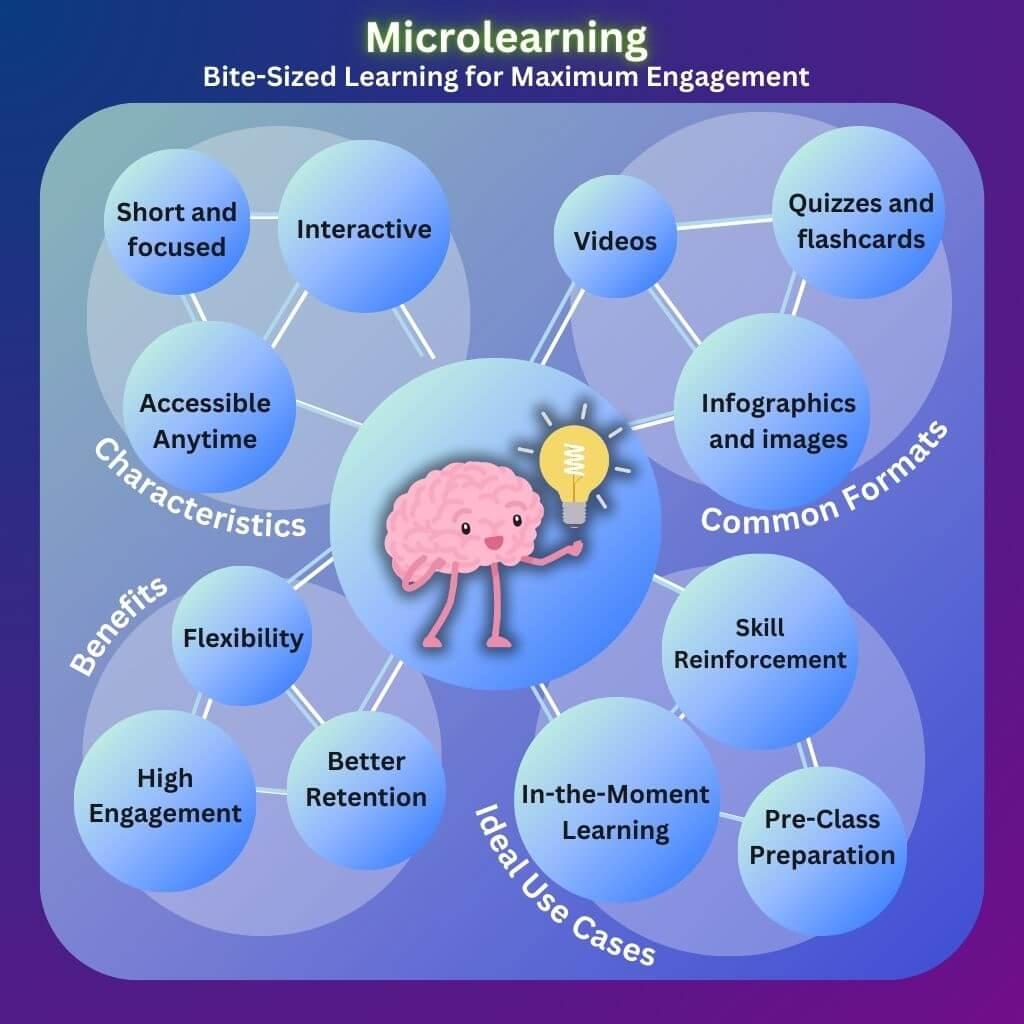
Microlearning is an educational approach that delivers content in small, focused chunks. Lessons typically last between 2 to 10 minutes, featuring mobile-friendly videos, quizzes, infographics, or interactive modules.This format caters to the modern learner’s short attention span and just-in-time learning needs.
- Short and focused: Microlearning modules target specific learning objectives.
- on-demand and flexible: Learners engage with content at their own pace, frequently enough on any device.
- Highly interactive: Engages learners with visuals, scenarios, and brief real-life simulations.
The Benefits of Bite-Sized Learning
The advantages of adopting microlearning for employee training and development are well-documented. Here’s what makes microlearning so effective:
- Increased retention: Learners better absorb and recall small nuggets of information.
- Enhanced engagement: Interactive modules and gamified elements increase motivation.
- Greater accessibility: Content can be accessed anytime, anywhere, breaking down learning barriers.
- Cost and time efficiency: development and delivery are faster and more affordable than traditional training.
- Personalization: Allows for tailored learning journeys tailored to each employee’s needs.
These benefits are a strong incentive to invest in microlearning. But to truly understand its value, you must measure its impact effectively.
Why Measuring Microlearning Impact Matters
Measuring the impact of bite-sized learning goes beyond tracking completions. It’s crucial for:
- Proving the return on investment (ROI) of learning initiatives
- Refining course content based on learner performance and feedback
- Aligning learning outcomes with business objectives
- driving continued engagement and betterment
Here’s how organizations can measure the effectiveness of their microlearning programmes.
Key Metrics for Measuring Microlearning Impact
To accurately assess the results of bite-sized learning, consider the following key microlearning metrics:
-
Completion Rates
- High completion rates indicate user-friendliness and engaging content.
- Track at the module level to spot potential drop-off points.
-
Knowledge Retention
- Administer pre- and post-assessments to gauge retention.
- Look for sustained performance improvements over time.
-
Engagement Levels
- Analyze metrics like quiz participation, time spent, and return visits.
- Survey learner satisfaction for qualitative insights.
-
Submission in the Workplace
- Assess how well learners apply new skills on the job.
- Use manager feedback and on-the-job performance data.
-
Business Impact
- Track KPIs such as sales growth, productivity, or error reduction post-training.
- Align results with your broader business goals.
Practical Tips for Measuring Bite-Sized Learning Effectively
Implementing measurement strategies doesn’t have to be complex.Here’s how to effectively measure the impact of microlearning:
- Integrate your Learning Management System (LMS): Use your LMS analytics dashboard to track engagement, completions, and assessment results.
- Use short, iterative feedback loops: Deploy fast surveys or polls at the end of each module to collect learner feedback.
- Incorporate spaced repetition: Design follow-up quizzes or knowledge checks over time to measure long-term retention.
- Connect learning to performance data: Compare pre- and post-training KPIs to observe any behavioral or business changes.
- customize metrics for your goals: Don’t rely on generic completion rates; adapt metrics to business objectives—whether it’s customer satisfaction, process efficiency, or quality improvement.
Case Studies: Real-World Impact of Microlearning
To illustrate the power of microlearning, let’s look at real organizations that harnessed bite-sized learning for measurable results:
Retail Giant Upskilling Staff in Product Knowledge
A global retailer introduced microlearning modules to keep frontline employees updated on product lines and promotions. over six months, completion rates soared to 95%, and customer service scores improved by 15%.
- Key takeaway: Quick, accessible content led to better retention and confident staff interactions with customers.
Healthcare Provider Reducing Compliance Errors
An international healthcare provider switched from traditional seminars to microlearning for compliance training. the bite-sized approach reduced regulatory errors by 28% and saved over 200 training hours annually.
- Key takeaway: Measurable improvements in efficiency and compliance demonstrate clear ROI.
First-Hand experience: Insights from L&D Professionals
L&D managers across industries report that microlearning helps bridge the gap between training and practical skills application. A seasoned L&D leader from a Fortune 500 tech company shared:
“Our teams are overwhelmed by information. Microlearning allowed us to deliver content in ways that fit seamlessly into the flow of work. engagement and performance improved remarkably just weeks after rolling out our new program.”
These firsthand accounts underline why more businesses are making the shift to microlearning—and why measuring its impact is critical for sustained success.
Best Practices for Driving Measurable Results with Microlearning
- Align modules with organizational goals: Each bite-sized lesson should support key business objectives.
- Make learning social and gamified: Encourage healthy competition and discussion with leaderboards, badges, or group challenges.
- Keep content concise and relevant: avoid cognitive overload by focusing squarely on what learners need now.
- Regularly update and iterate: Use analytics and learner feedback to refine and improve microlearning content.
- Promote ongoing learning: Foster a culture of continuous development with frequent, on-demand modules.
Conclusion: Making Microlearning Work for Your Institution
Microlearning isn’t just a trend—it’s a proven strategy for driving engagement, knowledge retention, and business performance. By measuring the impact of bite-sized learning with the right metrics and practices, you can demonstrate tangible results and keep your workforce agile and future-ready.
Are you ready to unlock the full value of microlearning in your organization? Start by setting clear goals, tracking the right metrics, and embracing a culture of continuous, bite-sized education. The impact will be measurable—and transformative.