
Measuring the Impact of Bite-Sized Learning: proven Benefits & effective Evaluation Strategies
In today’s fast-paced, data-rich world, bite-sized learning—also known as microlearning—has transformed how organizations and individuals approach education and training. with its focus on delivering content in small, easily digestible chunks, bite-sized learning has made education more convenient, engaging, and effective. However,to justify its integration into your learning strategy,it’s essential to measure the impact of bite-sized learning accurately. In this guide, we’ll explore the proven benefits of microlearning and offer effective evaluation strategies that ensure your training efforts deliver real results.
What is Bite-Sized Learning?
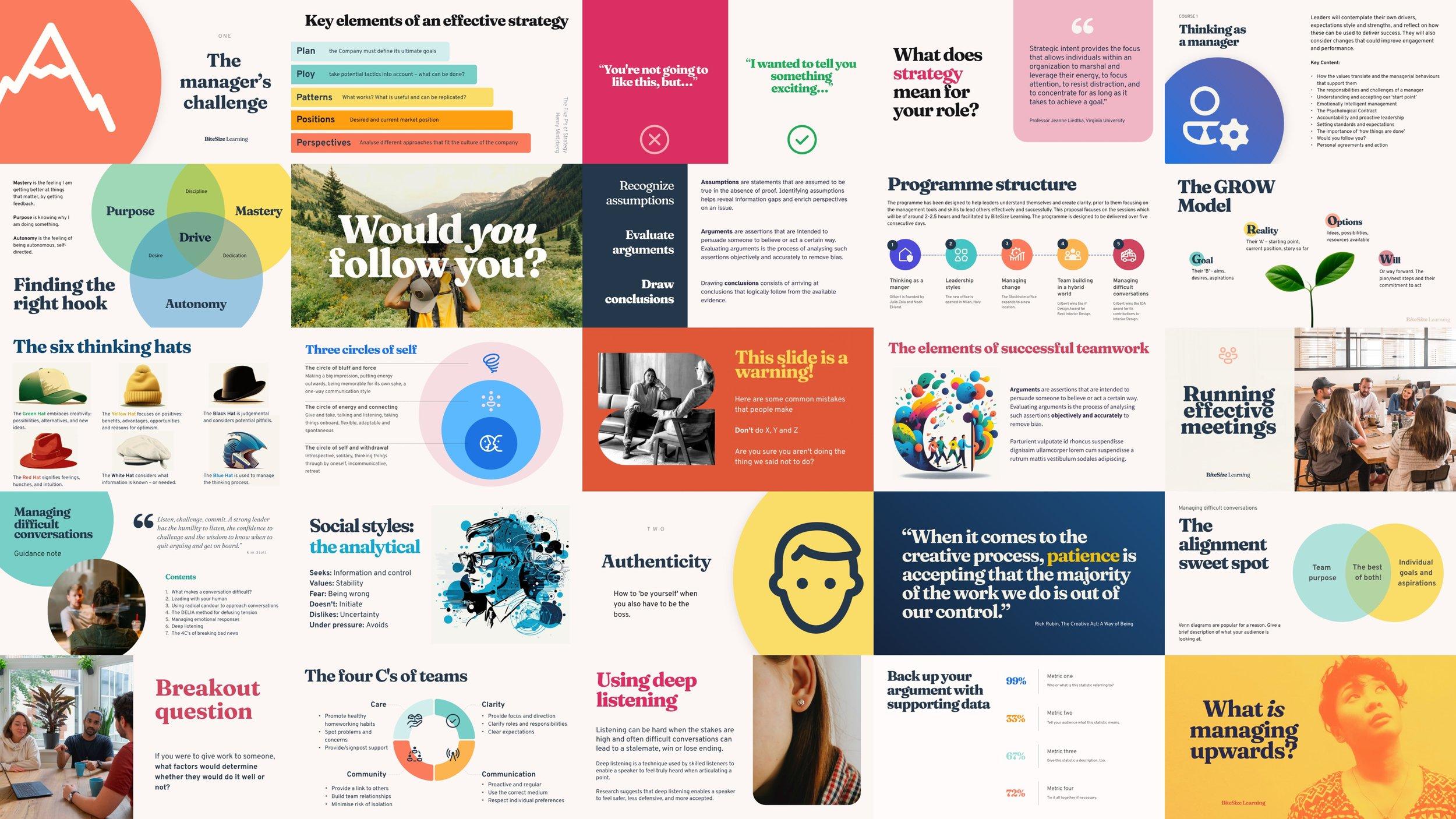
Bite-sized learning refers to an educational approach where information is broken down into small, manageable segments—typically lasting three to ten minutes. These microlearning modules frequently enough leverage multimedia elements such as videos, quizzes, and infographics, making them highly engaging and accessible on-demand via mobile devices.
- Short, focused lessons targeting specific learning objectives
- Available anytime, anywhere—ideal for just-in-time learning
- Highly interactive, boosting learner engagement and retention
Proven Benefits of Bite-Sized Learning
Organizations worldwide are embracing bite-sized learning to maximize their training ROI and empower their teams. Here’s why microlearning delivers significant benefits:
1. Enhanced Knowledge Retention
- Bite-sized content minimizes cognitive overload, making information easier to understand and remember.
- Frequent and spaced repetition of small modules strengthens long-term memory.
2. Greater Learner Engagement
- interactive videos, gamification, and real-world scenarios increase participation.
- Learners can focus on areas relevant to their needs, boosting motivation.
3. Adaptability and Accessibility
- Mobile-pleasant design supports learning on-the-go.
- Modules can be quickly updated and reused, saving time and resources.
4. Cost-Effectiveness
- Shorter courses require less time away from work, reducing productivity loss.
- Scalable design suits organizations of all sizes.
5. Higher Completion Rates
- Short lessons are less intimidating and more likely to be completed.
- Progress tracking encourages learners to continue and finish courses.
Key Metrics for Measuring the Impact of Bite-Sized Learning
To truly measure the effectiveness of bite-sized learning, organizations must look beyond completion rates. Here are the essential microlearning evaluation metrics:
- Completion Rates: Track how many learners finish each module.
- Engagement Levels: Monitor time spent, clicks, and repeat visits.
- Knowledge Retention: Use pre- and post-assessments to evaluate learning gains.
- Behavioral Change: Assess if learners are applying new skills on the job.
- Feedback and Satisfaction: Gather learner feedback through surveys and reviews.
- Business impact: Link learning outcomes to business KPIs (productivity, quality, sales, etc.).
Effective Evaluation Strategies for Bite-Sized Learning
Measuring the impact of microlearning requires a blend of quantitative and qualitative approaches. Here are proven strategies to evaluate your bite-sized learning programs:
1. Pre- and Post-Testing
- Assess knowledge or skills before and after the module.
- Analyze score improvements to determine learning effectiveness.
2. Learning Analytics Platforms
- Utilize your Learning Management System (LMS) to track user behavior, completion rates, and engagement metrics.
- Leverage built-in analytics for real-time performance insights.
3.Micro-Assessments
- Integrate short quizzes, polls, or scenario-based questions within modules to reinforce learning.
- Immediate feedback helps diagnose gaps and provides on-the-spot correction.
4. Surveys and Learner Feedback
- Deploy post-module surveys to gauge learner satisfaction and perceived relevance.
- Ask open-ended questions about usability and practical submission.
5.On-the-Job Observations
- Supervisors or mentors observe if new skills are being applied in real work scenarios.
- Provide timely coaching to reinforce positive behaviors.
6. Link Learning to Business Outcomes
- Evaluate the impact of training on specific KPIs—reduced error rates, improved customer satisfaction, faster onboarding, etc.
- Use controlled studies or compare performance data before and after implementation.
Practical Tips for Maximizing the Impact of Bite-Sized Learning
- Align content with business objectives: Ensure each module addresses a real organizational need.
- Keep content focused: Address one skill or concept per lesson.
- Utilize diverse formats: Blend videos, infographics, podcasts, and assessments for varied learning preferences.
- Encourage learner autonomy: Allow learners to access content at their convenience, on their preferred devices.
- Regularly update content: Keep modules fresh and relevant with timely updates.
- Foster peer learning: Enable discussion forums or social learning platforms for collaboration.
Case Study: Real-World Impact of Microlearning
Company: Global Retail Chain
Challenge: Onboarding new associates across 400+ locations efficiently.
Microlearning Solution: Short, 5-minute mobile modules covering product knowledge and customer service.
Results:
- Onboarding time reduced by 30%.
- Knowledge retention rates improved by 40% (measured via post-module quizzes).
- Customer satisfaction scores increased by 12% over six months.
- 90% of employees reported higher engagement and confidence in their roles.
This case study demonstrates that when effectively designed, bite-sized learning modules can drive measurable improvements in both employee performance and business outcomes.
Conclusion: Unlock the True Potential of Bite-Sized Learning
Measuring the impact of bite-sized learning is crucial for validating your elearning investments and ensuring ongoing success. By implementing targeted evaluation strategies for microlearning, leveraging data-driven insights, and focusing on real-world application, you can maximize the benefits of this modern learning approach for your organization.
As you roll out or optimize your own bite-sized learning strategy, remember: effective measurement is about more than tracking completions—it’s about understanding how learning translates into meaningful behavioral and business change. Embrace bite-sized learning, measure its impact thoughtfully, and watch your training outcomes soar.