
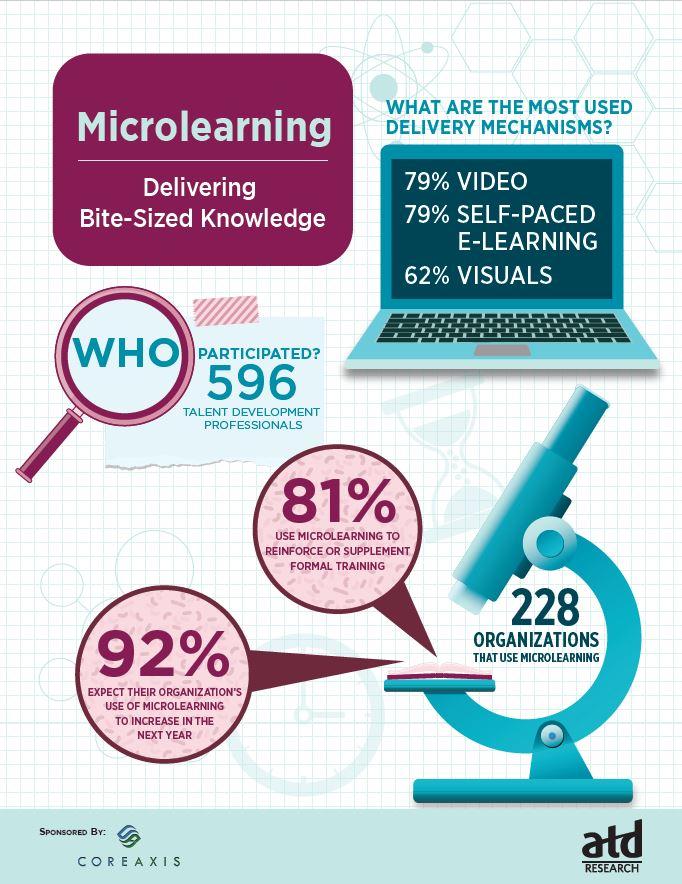
Measuring the Impact of Bite-Sized Learning: Proven Methods for Assessing microlearning Success
In today’s fast-paced digital world, microlearning—the delivery of bite-sized, focused content—is revolutionizing how organizations and individuals approach learning and development. But how can we accurately measure the impact and effectiveness of these short, targeted learning experiences? This comprehensive guide will walk you through proven methods and key metrics for assessing microlearning success, demonstrate real-world examples, and provide actionable tips to ensure your bite-sized learning efforts deliver measurable value.
What is Microlearning and Why Measure It’s Impact?
Microlearning refers to the instructional design approach that delivers content in small, manageable chunks, usually focusing on a single objective or skill. Popular in eLearning and workplace training, microlearning modules can take many forms, such as short videos, quizzes, interactive infographics, or mobile app lessons.
While microlearning offers clear advantages—agility, engagement, and better retention—measuring its actual impact is essential for:
- Demonstrating ROI to stakeholders
- Refining content for higher effectiveness
- Understanding learner behavior and preferences
- Aligning training with business and performance objectives
Proven Methods for Assessing Microlearning Success
Effective microlearning assessment relies on a blend of quantitative and qualitative measures. Below are established frameworks and proven assessment methods to track and evaluate microlearning impact.
1. Kirkpatrick’s Four Levels of Evaluation (Adapted for Microlearning)
- Level 1: Reaction – Gather immediate feedback from learners regarding content relevance, engagement, and usability via surveys or quick polls.
- Level 2: Learning – use short quizzes or in-module assessments to measure knowledge acquisition or skills betterment right after microlearning sessions.
- Level 3: Behavior – monitor workplace submission of learned skills through observation, peer feedback, or task completion tracking over time.
- Level 4: Results – Analyze business metrics (e.g.,increased sales,reduced errors,improved efficiency) that correlate with the learning interventions.
2. Learning Analytics and Engagement Data
Advanced learning analytics tools, especially those integrated into learning Management Systems (LMS) or microlearning platforms, can provide valuable insights:
- Completion rates and average time spent per module
- Drop-off points (where do learners disengage?)
- Number of repeat visits or reviews of content
- Social learning indicators (comments, shares, likes)
3.Performance-Based Assessments
Directly connect microlearning outcomes to specific performance indicators by:
- Setting clear learning objectives tied to job roles
- Comparing pre- and post-training performance metrics
- Implementing micro-challenges (short practical tasks or scenarios) to demonstrate skill application
4. Qualitative Feedback and User experience
Beyond numbers, understanding learner perspectives is crucial. Collect:
- user testimonials or in-depth interviews
- Short open-ended survey questions
- Observations from managers or coaches
Key Metrics to Track Microlearning Effectiveness
To maximize the impact of bite-sized learning, track the following key microlearning metrics:
- Engagement Rate: Percentage of learners who start and finish a microlearning module.
- Knowledge Retention: Improvement in scores from pre- to post-lesson quizzes.
- Behavioral Change: Observable shifts in workplace habits,tracked over time.
- Time to Competency: How quickly learners apply new skills or knowledge.
- Completion Time: average duration required to finish modules.
- Application Rate: Percentage of learners who report using the knowledge in their jobs.
Real-World Case Studies: Microlearning Measurement in Action
Case Study 1: Improving Customer Service Fast with Bite-Sized Training
A national retail chain deployed a series of short, scenario-based microlearning videos for frontline staff. By tracking quiz scores and on-the-job customer satisfaction surveys:
- quiz pass rates improved from 78% to 95% within three weeks.
- Customer satisfaction scores increased by 14% as staff demonstrated newly learned skills in daily interactions.
Case Study 2: Reducing Compliance Errors through Microlearning Reminders
A healthcare provider used daily microlearning reminders and instant assessments to reinforce compliance training. The results:
- Compliance errors dropped by 30% after just six weeks of microlearning deployment.
- Completion rates consistently exceeded 90% due to the content’s brevity and mobile accessibility.
Practical tips: Maximizing Microlearning Measurement
- Define Success Early: Set clear, measurable objectives before launching your microlearning programme. Align these with organizational goals for maximum impact.
- Use a Multi-Channel Approach: Combine quantitative data (analytics) with qualitative insights (feedback) for a well-rounded assessment.
- Leverage LMS and Integrations: Use your Learning Management system’s built-in reporting features to track and analyze learner progress automatically.
- Test and Iterate: Regularly review performance data and learner feedback to refine microlearning content and delivery methods.
- Gamify Assessments: Boost participation and motivation by incorporating micro-quizzes, badges, and instant feedback.
Common Challenges and Solutions
Measuring microlearning success can come with unique hurdles. here’s how to tackle some common challenges:
-
Challenge: Short content duration makes impact harder to gauge
Solution: Aggregate individual module data over a series or learning path to identify cumulative effects.
-
Challenge: Learner engagement drops after initial enthusiasm
Solution: Refresh content regularly, use push notifications, and celebrate milestones to maintain interest.
-
Challenge: Difficult to map learning outcomes to business KPIs
Solution: Collaborate with business units to select and track relevant performance metrics alongside microlearning deployment.
Conclusion: Unlock the Full Potential of Bite-Sized Learning
Microlearning represents a powerful strategy for on-demand skill building, compliance training, and continuous learning.However, its true value emerges only when its impact is measured and optimized.By applying proven assessment methods,tracking the right metrics,and learning from real-world case studies,organizations and educators can unlock microlearning’s full potential—delivering engaging,effective,and measurable results.
Remember: the success of bite-sized learning hinges not only on smart content design, but also on disciplined, ongoing measurement and improvement. Start assessing your microlearning initiatives today and watch the benefits multiply—one small lesson at a time!