
Measuring the Impact of Bite-Sized Learning: Proven Methods for Maximizing Training Effectiveness
The rapid pace of today’s business world calls for training solutions that are both efficient and effective. Enter bite-sized learning—short, focused training modules designed to deliver critical knowledge in a digestible format.But how do organizations measure the real impact of thes microlearning initiatives? And most importantly, how can you maximize the effectiveness of your bite-sized learning programs? In this extensive guide, we explore proven methods to measure, evaluate, and optimize your microlearning efforts to ensure you’re achieving measurable results.
What is Bite-Sized Learning?
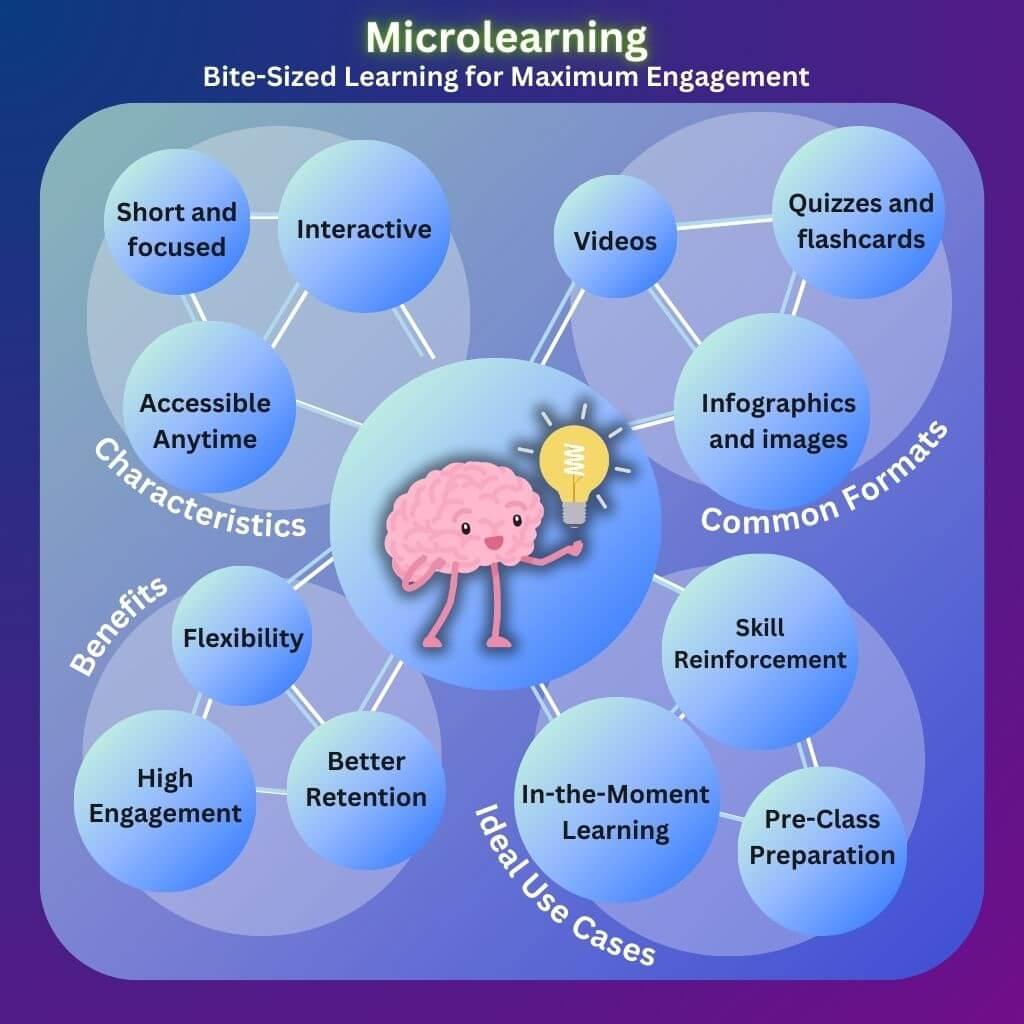
Bite-sized learning, often referred to as microlearning, breaks down complex concepts into easily consumable modules, typically ranging from 2 to 10 minutes. This approach aligns with modern attention spans and busy schedules, providing learners with targeted knowledge when they need it most.
- Short, focused modules
- accessible anytime, anywhere
- Supports just-in-time learning
- Promotes better retention and application
The Importance of measuring Bite-Sized Learning Impact
While microlearning boasts numerous benefits, organizations must measure training effectiveness to ensure investments are driving desired outcomes. Without clear measurement, it’s arduous to assess knowledge retention, learner engagement, or business ROI. By leveraging proven evaluation methods, you can:
- Demonstrate the value of your training programs
- Identify areas for improvement
- Align learning objectives with business goals
- Maximize your training ROI
Proven Methods for Measuring the Impact of bite-Sized Learning
To effectively measure microlearning success, combine quantitative and qualitative approaches.Here are the most impactful methods:
1.learning Management System (LMS) Analytics
- Completion Rates: Track how many learners finish each microlearning module. High completion signals engaging, accessible content.
- Time Spent: Analyze the amount of time spent per module to identify content that may be too lengthy or too brief.
- Quiz Scores: Evaluate pre- and post-module assessments to measure knowledge gain.
- Engagement Metrics: gather data on clicks, video views, and interactions to gauge learner participation.
2. The Kirkpatrick Model
The Kirkpatrick Four-Level Training Evaluation Model remains a gold standard for assessing training effectiveness. Applied to bite-sized learning, this model includes:
- Reaction: Gather participant feedback on the training’s relevance and delivery through surveys and polls.
- Learning: Use quizzes or knowledge checks to measure what learners have retained.
- Behavior: Assess on-the-job performance before and after training to track behavioral changes.
- Results: Analyze business outcomes such as productivity,sales,or quality improvements linked to training.
3. Pulse surveys & Learner Feedback
- Deploy regular, brief surveys to capture immediate reactions to each module.
- Use open-ended questions to gather qualitative insights on content clarity and applicability.
- Monitor Net Promoter Scores (NPS) for overall training satisfaction.
4. Performance Metrics Integration
- Link Training to KPIs: Correlate learning activity with key performance indicators such as sales figures, error rates, or customer satisfaction.
- Manager Observations: Solicit ongoing feedback from supervisors regarding skill application in the workplace.
5. Knowledge Retention and Application Assessments
- Conduct follow-up assessments 30, 60, or 90 days post-training to measure long-term retention.
- Implement scenario-based exercises or simulations to test real-world application of learning.
Benefits of Measuring and Maximizing Microlearning Effectiveness
A data-driven approach to measuring bite-sized training impact delivers numerous organizational benefits:
- Continuous Improvement: Quickly iterate and improve training based on real user data.
- Resource Optimization: Invest time and budget in the most impactful content.
- Increased Engagement: Identify winning content strategies that boost completion and participation.
- Demonstrable ROI: Clearly link your microlearning investments to key business outcomes.
Practical Tips for Maximizing Training Effectiveness
To ensure your microlearning initiatives drive results, implement these best practices:
- Set Clear Learning Objectives: Define what success looks like for each bite-sized module.
- Make it Mobile-Friendly: Optimize content for smartphones to support learning anytime, anywhere.
- Personalize Learning Paths: Use adaptive technology to deliver tailored content to each user.
- Foster Social Learning: Encourage discussion, sharing, and peer-to-peer feedback.
- Gamify the Experience: Incorporate badges, points, or leaderboards to increase motivation.
- Use Spaced Repetition: Reinforce key messages over time for better retention.
Case Studies: Real-World Successes with Bite-Sized Learning
Case Study 1: Sales Enablement at a SaaS Company
- Challenge: Large sales team struggled with product updates and consistent messaging.
- Solution: Implemented microlearning modules with short quizzes and scenario-based practice.
- Result: Saw a 29% increase in knowledge retention and a 16% boost in quarterly sales.
Case Study 2: Compliance Training in Healthcare
- Challenge: Customary annual compliance courses resulted in low engagement.
- Solution: Transitioned to monthly, bite-sized lessons with interactive assessments.
- Result: Compliance rates improved from 73% to 98%, with positive learner feedback on ease and relevance.
First-Hand Experience: Insights from Learning & Development Professionals
“After adopting bite-sized learning and focusing on micro-assessments,our company saw not only higher completion rates,but also a notable uptick in employee confidence and competency,especially in technical topics.”
– Jane T., Director of Learning & Development, TechCorp
“Using follow-up quizzes and real-time analytics, we were able to fine-tune our content in record time and directly tie training outcomes to operational KPIs.”
– Ravi M., Training Manager, Healthcare Solutions
Conclusion: Unlocking the Full Potential of Bite-Sized Learning
The impact of bite-sized learning is undeniable, but it’s true value can only be realized through purposeful measurement and optimization. By leveraging robust learning analytics, proven evaluation models, and a culture of continuous improvement, organizations can ensure their microlearning programs deliver maximum training effectiveness and measurable ROI. Remember—training that’s concise and targeted is only impactful when it’s aligned with organizational goals and rigorously assessed.
Start today by applying these measurement strategies to your own bite-sized learning initiatives and watch your workforce—and your business—transform.