
Measuring the Impact of Bite-Sized Learning: Proven strategies for Maximizing Training Effectiveness
Bite-sized learning is transforming the landscape of corporate training,but how do you ensure your microlearning investments are truly making a difference? This in-depth guide explores the best practices for measuring bite-sized learning impact,optimizing programs for effectiveness,and considerably boosting learner engagement.
What is Bite-sized Learning?
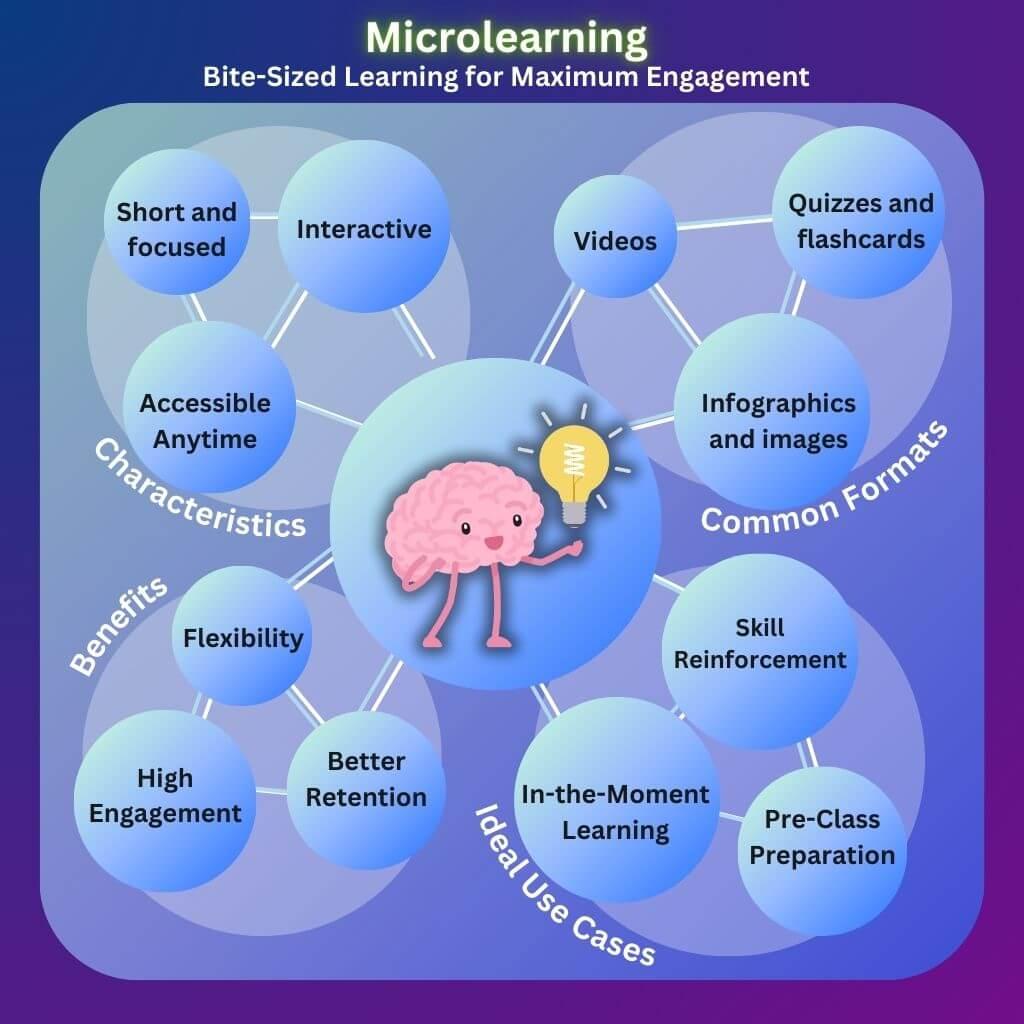
Bite-sized learning, also known as microlearning, refers to educational content delivered in small, focused segments. These concise learning modules typically last between 3 and 10 minutes, making them easy to digest and apply. This methodology aligns with fast-paced modern workflows,maximizing knowledge retention and minimizing disruption to daily tasks. Companies around the world are adopting bite-sized learning due to its flexibility, adaptability, and high-impact ROI.
Benefits of Measuring Bite-Sized Learning Impact
- Data-driven decisions: Gain insights into what’s working and adjust your corporate training strategy accordingly.
- Enhanced ROI: Justify training investments and maximize the value extracted from learning programs.
- Continuous improvement: Fine-tune content, delivery methods, and learner support for optimal results.
- Learner engagement: Identify modules that resonate with your audience to foster more meaningful learning experiences.
- Compliance tracking: Easily monitor who has completed required modules, especially for regulatory training needs.
Key Metrics for Measuring Training Effectiveness in Bite-Sized Learning
To truly maximize bite-sized learning effectiveness, organizations must track and analyze the right metrics. Here are the most impactful performance indicators:
- Completion Rates: Percentage of learners who finish each microlearning module.
- Knowledge Retention: Assessment scores before and after training, or periodic quizzes to measure facts retention.
- Application & Behavior Change: Tracking how training translates into workplace performance through evaluations and peer feedback.
- Learner Engagement: click-through rates, participation levels, and time spent on modules.
- Feedback Scores: Surveys, ratings, and user comments to capture qualitative data about the learning experience.
- Business Outcomes: Correlate improved training with boosts in productivity, reduced errors, or higher sales where possible.
Proven strategies for Measuring Bite-sized learning Impact
Implementing a structured, iterative approach ensures your measurement strategies align with both learning goals and strategic objectives. Below are expert tips and techniques:
1. Establish Clear Learning Objectives
- Define specific, measurable, achievable, relevant, and time-bound (SMART) goals for each module.
- Link objectives to both individual performance and broader organizational outcomes.
2. Use Baseline Assessments
- Conduct pre-training quizzes or surveys to establish learner knowledge levels.
- Repeat assessments post-training to evaluate improvement and knowledge gain.
3. Leverage Learning Management System (LMS) Analytics
- Track learner progress, time spent, completion rates, and engagement patterns with built-in LMS reporting tools.
- Identify drop-off points and adjust content accordingly to ensure higher completion rates.
4. Incorporate Micro-Assessment Techniques
- Include in-module quizzes, polls, and interactive elements to provide immediate feedback both for learners and instructors.
- Analyze micro-assessment performance for content refinement and future improvements.
5.Gather Qualitative & Quantitative Feedback
- Distribute surveys asking about knowledge improvement, module clarity, and real-world applicability.
- Utilize open-ended questions to uncover unique learner insights.
6. Evaluate post-training Behavioral Change
- Monitor KPIs like productivity, error rates, and quality of work in the weeks following completion.
- Consider 360° feedback from supervisors, peers, and direct reports to assess observable changes.
7. Connect Learning Outcomes to Business Metrics
- Analyze if improved learning results in measurable impact—such as increased sales, improved customer satisfaction, or reduced compliance incidents.
- Use correlation analysis to support the value of your learning initiatives.
Case Studies: Real-World Impact of bite-Sized Learning
Global Retailer Enhances Product Knowledge
A multinational retail chain implemented microlearning modules for new product lines. By measuring pre- and post-training assessments,they identified a 35% increase in knowledge retention and a 20% boost in upsell rates,proving that bite-sized learning directly contributed to sales growth.
Financial services Firm Improves Compliance
A leading financial firm introduced regulatory training segments under 5 minutes each. Tracking completion rates and assessment scores, compliance accuracy improved by 40% while employee satisfaction with training rose significantly, resulting in better audit outcomes.
Tech Company Increases Engineering Efficiency
After integrating bite-sized technical tutorials, a tech company reported a 25% reduction in software development errors and faster onboarding times for new hires, as measured by analytics from thier LMS and team feedback loops.
Practical Tips for Maximizing Bite-Sized learning Effectiveness
- Segment content logically: break complex topics into digestible modules aligned with learner workflows.
- Align with modern work habits: Make learning mobile-amiable and accessible anywhere, anytime.
- Promote social learning: Encourage discussion forums or group tasks to enhance retention and engagement.
- Reinforce key concepts: Use spaced repetition techniques and periodic micro-assessments.
- Analyze and iterate: Continuously collect data, review feedback, and optimize content for maximum impact.
Challenges in Measuring bite-Sized Learning Impact (And How to Overcome Them)
- Limited quantitative data: Supplement with qualitative insights and real-world performance metrics.
- Attribution difficulties: Leverage correlation and trend analysis, keeping other business changes in mind.
- Disengaged learners: Use gamification, social proof, and recognition to boost participation.
- Content relevancy: Regularly review analytics and user feedback to retire outdated modules.
Conclusion: Transform Your Training with measurable Bite-Sized Learning
Measuring the impact of bite-sized learning is essential to maximize your training effectiveness, drive learner engagement, and prove tangible business value. By setting clear objectives, leveraging the right metrics, and continuously optimizing program content, organizations can transform their corporate learning culture and outperform customary training models.
Ready to elevate your training results? Start small with a pilot bite-sized learning program, rigorously measure the outcomes, and scale what works best for your learners and your business objectives!