
Measuring the Impact of SEL programs: Key Metrics and Proven Strategies
Social-Emotional Learning (SEL) has gained significant momentum in educational settings worldwide, offering transformative benefits that extend beyond academics. Educators,administrators,and policymakers seek to understand how these programs truly impact students and school communities. To ensure success and sustainability, it’s crucial to implement effective measurement strategies and track key metrics. This complete guide dives deep into how you can measure the impact of SEL programs, the essential metrics to monitor, proven strategies for evaluation, and practical tips for actionable insights.
Understanding SEL and Its Importance
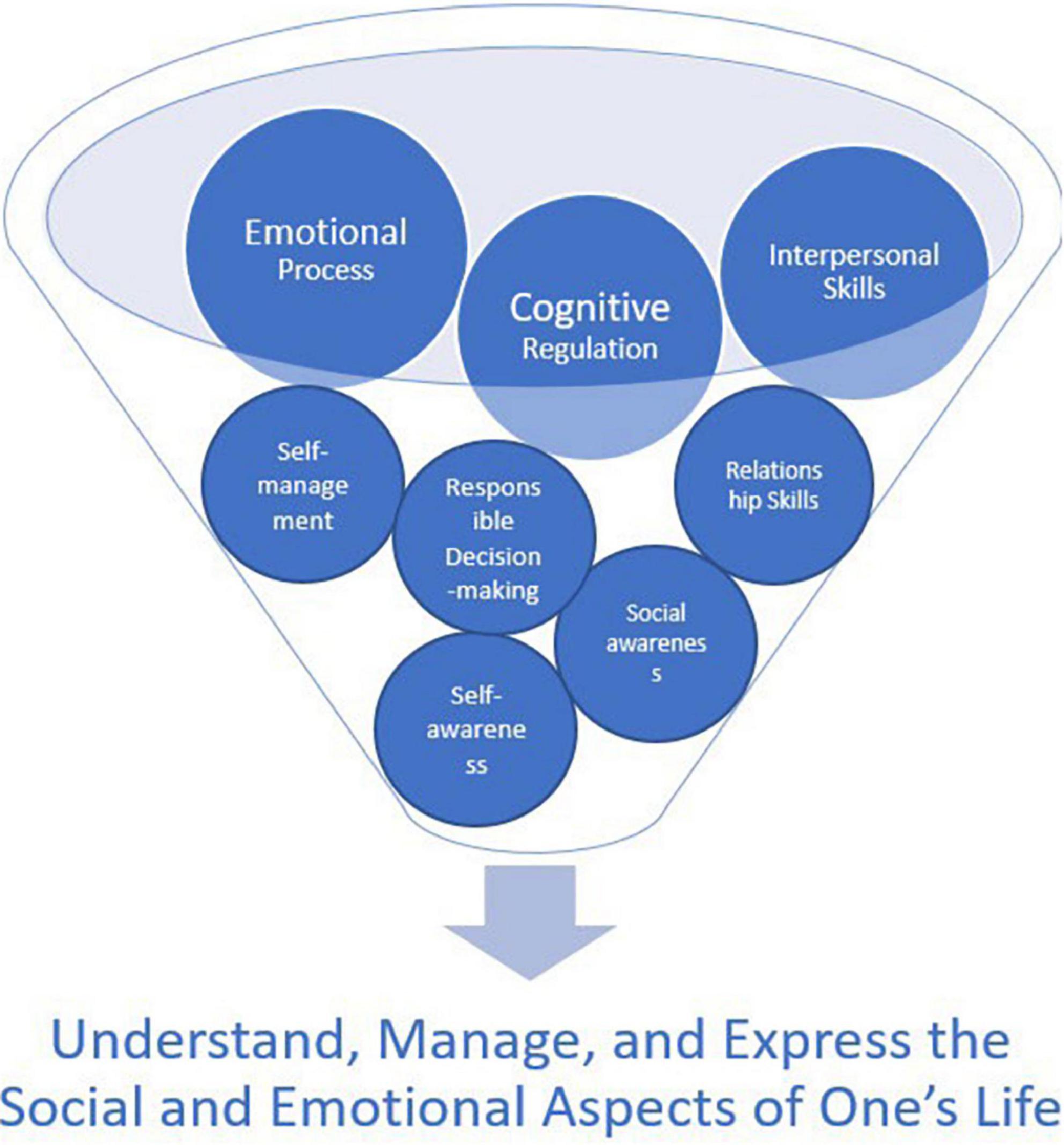
Before delving into measurement techniques, let’s briefly highlight what SEL encompasses and its primary benefits. Social-Emotional Learning refers to the process through which individuals acquire and apply the skills needed for emotional management, empathy, decision-making, and building positive relationships. SEL programs in schools have been linked to improved academic performance, reduced behavioral issues, and enhanced well-being.
Benefits of Effective SEL Implementation:
- Boosts Academic Achievement: Students engaged with SEL show improved test scores and class participation.
- Enhances Mental Health: SEL helps in reducing stress, anxiety, and symptoms of depression among students.
- reduces Behavioral Problems: improved emotional regulation leads to fewer disciplinary referrals.
- Promotes Equity: SEL nurtures inclusive climates, helping address issues of bias and social justice.
Key Metrics for Measuring SEL Program Impact
To assess the effectiveness of SEL programs, schools must gather quantitative and qualitative data reflecting students’ emotional, social, and academic growth. The following metrics are crucial for accurate measurement:
1. Student self-Assessment Surveys
- Utilize pre- and post-surveys to capture shifts in emotional intelligence, self-awareness, and relationship skills.
- Tools like the CASEL SEL Competency Assessments and Panorama Education’s SEL surveys provide validated questionnaires.
2. Behavioral Data
- track disciplinary referrals, attendance, and suspensions to monitor behavioral improvements.
- Decreases in negative behaviors can indicate increased SEL efficacy.
3. Academic Performance
- Review changes in GPA, graduation rates, standardized test scores, and classroom engagement.
- Look for correlations between SEL program implementation and academic growth.
4. Teacher and Staff Feedback
- Collect insights from educators regarding changes in classroom climate,student relationships,and peer interactions.
- Regular feedback sessions can uncover nuanced impacts impossible to capture with numbers alone.
5. School Climate and Culture Surveys
- Measure perceptions of safety, belonging, and inclusiveness after program rollout.
- Positive shifts may signal SEL integration success.
6. Family and Community Input
- Gather feedback from families and local communities to understand SEL’s broader influence.
- Monitor community partnerships, family engagement, and support for SEL initiatives.
Proven Strategies for measuring SEL Impact
Deploying the right strategies ensures your SEL program assessment delivers accurate, meaningful results. Here are some tried-and-true approaches endorsed by SEL experts:
Define Clear Goals and Outcomes
- start by articulating what you aim to achieve with your SEL initiative (e.g., improved empathy, reduced bullying).
- Link goals to measurable outcomes so you can track progress effectively.
Use Mixed-Methods Evaluation
- Blend quantitative metrics (test scores, attendance data) with qualitative feedback (focus groups, interviews).
- This holistic assessment captures both numerical changes and lived experiences.
Periodically Assess and Adjust
- Implement ongoing assessment cycles—annual, quarterly, or monthly reviews strengthen program adaptation.
- Frequent data collection helps identify trends and areas for improvement early.
Leverage Technology and Data Analytics
- Deploy platforms like Panorama, Kickboard, or custom WordPress dashboard plugins to visualize and analyze SEL data.
- Automated reporting streamlines insights for speedy decision-making.
Engage Multiple Stakeholders
- Involve teachers, school counselors, families, and students in the measurement process.
- Stakeholder input ensures diverse perspectives and greater buy-in for findings and adjustments.
Case Studies: SEL Impact in Action
Prosperous SEL programs around the globe have demonstrated tangible benefits through rigorous measurement and adaptation. Here are two inspiring examples:
Case Study 1: Urban Elementary School
Metrics Used: Discipline referrals, student self-assessment, teacher feedback.
Results:
- Disciplinary incidents dropped by 30% in the first year.
- Student surveys showed a 25% increase in self-reported empathy and cooperation skills.
- Teachers noted a calmer, more collaborative classroom climate.
Case Study 2: Rural Middle School SEL Rollout
Metrics used: Attendance records, academic performance, climate surveys.
Results:
- Average student GPA improved by half a point.
- school climate surveys indicated a 40% jump in reported sense of belonging.
- Absenteeism rates fell by 18% over two years.
Practical Tips for Successful SEL Measurement
To maximize the effectiveness of your SEL impact evaluation,consider these actionable tips:
- Customize Surveys and Tools: Tailor questions and tools to fit your school’s demographics and identified needs.
- Ensure Data Privacy: Protect sensitive student information by following FERPA guidelines and utilizing secure WordPress plugins for data management.
- Train Staff: Invest in professional advancement for teachers and staff so they can accurately collect and interpret SEL data.
- Prioritize Inclusivity: Design assessments that reflect the diversity of your school community to ensure all voices are heard.
- Communicate Findings: Share results transparently with stakeholders via newsletters, WordPress posts, and community meetings to build trust and foster continual improvement.
First-Hand Experience: Insights from an SEL Coordinator
“Implementing SEL measurement transformed our school’s approach. We didn’t just see numbers change; we saw students supporting each other, taking obligation, and talking openly about their feelings. Regular check-ins and open dialog with teachers helped us fine-tune our strategies, making SEL a living, evolving part of our culture.”
– Jessica Kim, SEL Program Coordinator
Conclusion: Driving Continuous Improvement with SEL Metrics
Measuring the impact of SEL programs isn’t just about tracking statistics—it’s about nurturing a positive, inclusive, and high-achieving school environment. By selecting the right metrics, employing proven evaluation strategies, and learning from real-world examples, educators and administrators can reveal the true value of SEL initiatives. In doing so, you’ll not only validate your efforts but also inspire ongoing growth and improvement across your school community.
Ready to transform your SEL measurement process? Start with clear goals, engage all stakeholders, and utilize robust data tools—your students and staff will thrive as a result!
For more resources and practical guides on SEL program implementation and measurement, subscribe to our newsletter or contact us today!