
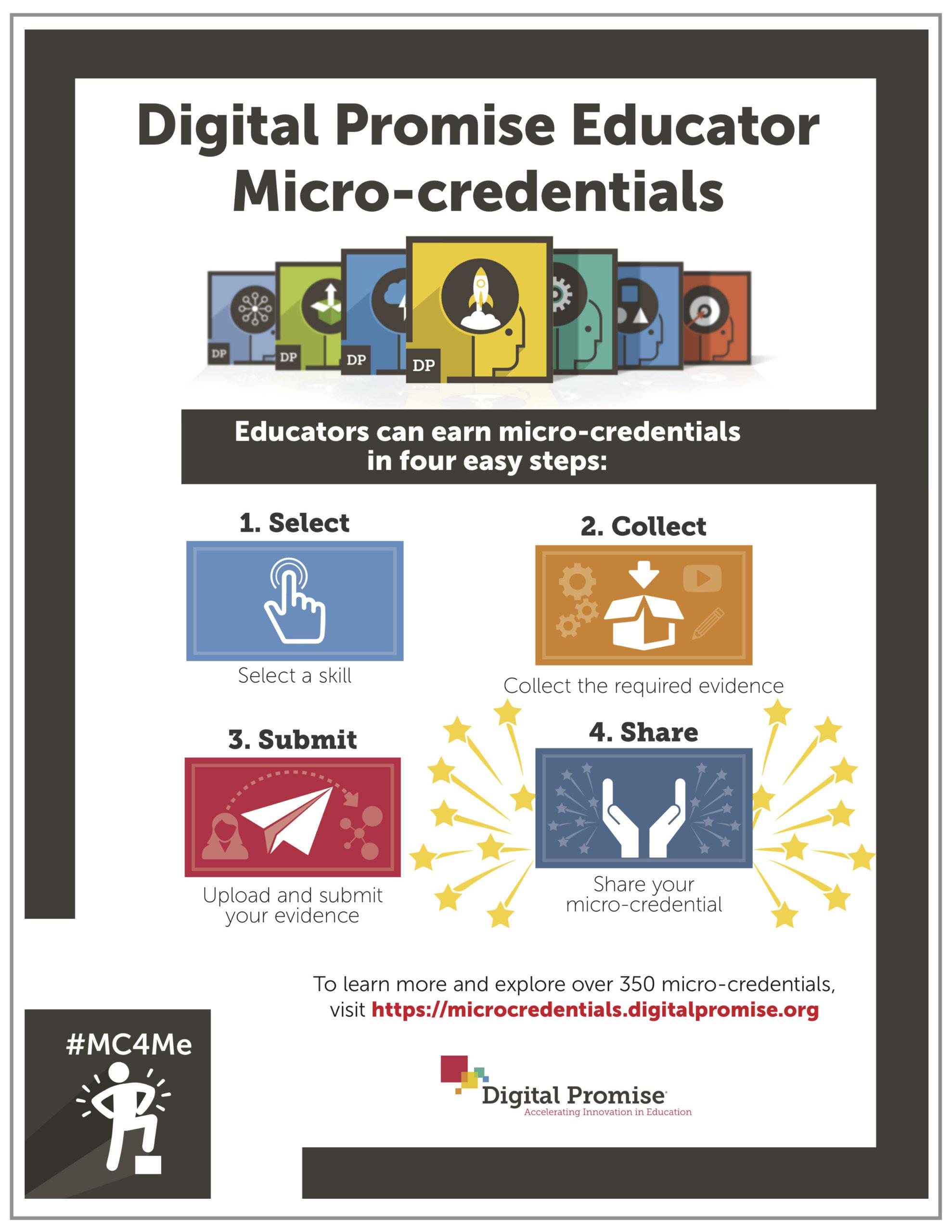
Micro-Credentials: How Micro-Credentials Are Revolutionizing Professional Development
The demand for adaptable, accessible, and relevant professional development is higher than ever in today’s rapidly changing job market. micro-credentials have emerged at the forefront of this transformation, offering a flexible approach to continuous learning and skill advancement. Whether you’re an employer, educator, or working professional, understanding the power of micro-credentials is essential for thriving in a world where knowledge and skills are the new currency.
What Are Micro-Credentials?
Micro-credentials are short, focused qualifications that recognize specific skills, competencies, or knowledge areas. Unlike customary degrees or lengthy certification programs, micro-credentials allow learners to showcase expertise in a niche area, often by completing online courses, workshops, or projects.
- Flexible: complete at your own pace and convenience.
- Stackable: Combine multiple micro-credentials to build a comprehensive skill set.
- Industry-Relevant: Aligned with current job market demands.
- Verified: Most are issued by reputable educational or industry organizations and come with digital badges, making them easily shareable on linkedin and resumes.
How Micro-Credentials Are Revolutionizing Professional Development
The traditional method of professional development frequently enough required significant time and financial commitments,making upskilling out of reach for many. Micro-credentials are disrupting this model by providing more accessible, low-cost, and targeted learning solutions.Here’s how micro-credentials are revolutionizing professional development:
- Personalized Learning: Individuals can focus on exactly what they need to advance their careers, rather than taking generalized courses.
- Rapid Skill Acquisition: Employees and job seekers can quickly fill skill gaps, responding to evolving workplace requirements.
- Recognition of Competency: Digital badges and certificates provide verifiable proof of specific abilities, making hiring decisions quicker and easier for employers.
- Lifelong Learning: Professionals can continuously add new micro-credentials to their portfolio, staying relevant in their field.
- Global Accessibility: Most micro-credentials are delivered online, breaking geographical barriers to education and training.
Benefits of Micro-Credentials for Professionals
- Career Advancement: Prove your expertise and differentiate yourself in a competitive job market.
- Skill Diversification: Broaden your competencies beyond your formal education or job title.
- Faster Transitions: Shift into new roles or industries with targeted credentials instead of lengthy retraining.
- Increased Earning Potential: Demonstrate up-to-date, in-demand skills to negotiate better salaries or promotions.
- Professional Networking: Join global communities of learners, mentors, and industry experts.
Benefits of Micro-Credentials for Employers
- Customized Workforce Development: Address specific organizational skill gaps efficiently.
- Cost-Effectiveness: Invest in targeted employee training without needless expenditures on broad programs.
- Attract and Retain Top Talent: Employees value opportunities to upskill and grow within the company.
- Competitive Advantage: Build a workforce that adapts quickly to emerging technologies and market trends.
Practical Tips: Getting Started with Micro-Credentials
- Identify Your Goals: What specific skills or knowledge do you want or need to acquire?
- Select Reputable Providers: Choose micro-credentials offered by accredited universities, industry leaders, or recognized learning platforms (e.g., Coursera, edX, LinkedIn Learning).
- Understand the Requirements: Review course formats, assessment criteria, and time commitments.
- Share Your Achievements: Upon completion, add your micro-credential to your professional profiles and digital portfolios.
- Plan Your Learning Journey: Stack multiple micro-credentials for broader skill sets or deeper specialization.
Real-World Success Stories
Micro-credentials are making a tangible impact across diverse sectors. Here are a few inspiring examples:
- Educators in the United States: Teachers in Florida are earning micro-credentials to demonstrate mastery in classroom management, adaptive teaching, and digital learning—leading to recognition, advancement, and higher earnings.
- Tech Professionals: google’s “Google Career Certificates” provide learners with fast-tracked routes into high-demand IT support, data analysis, and project management roles—frequently enough landing jobs within months, without traditional four-year degrees.
- Healthcare Workers: Nurses in Australia are using micro-credentials in telemedicine to provide new types of patient care,responding to the needs of a digital-first healthcare landscape.
The Future of Micro-Credentials in Professional Development
As the workplace continues to evolve, micro-credentials are poised to play an increasingly central role in lifelong learning and career progression.With the rise of automation, AI, and digital transformation, both professionals and employers need to remain agile and proactive in acquiring new competencies.
- Integration with HR Systems: Expect micro-credentials to become more embedded in recruitment, promotion, and talent management processes.
- International recognition: Digital badges and blockchain-based certificates will enable cross-border verification of qualifications.
- Personalized Learning Paths: Adaptive technology will help tailor micro-credential programs to individual career objectives and market needs.
- Greater Employer-Educator Collaboration: Courses will increasingly be co-designed by companies and educational institutions,ensuring relevance and value.
Conclusion
Micro-credentials are transforming the landscape of professional development, making learning more accessible, personalized, and purposeful than ever before. Whether you’re seeking to stay competitive,change industries,or cultivate new skills,leveraging micro-credentials can be your gateway to chance and growth. As businesses and institutions continue to recognize their value, now is the perfect time to explore how micro-credentials can empower your career journey.
Start your micro-credential adventure today and join the movement reshaping the future of work and learning!