
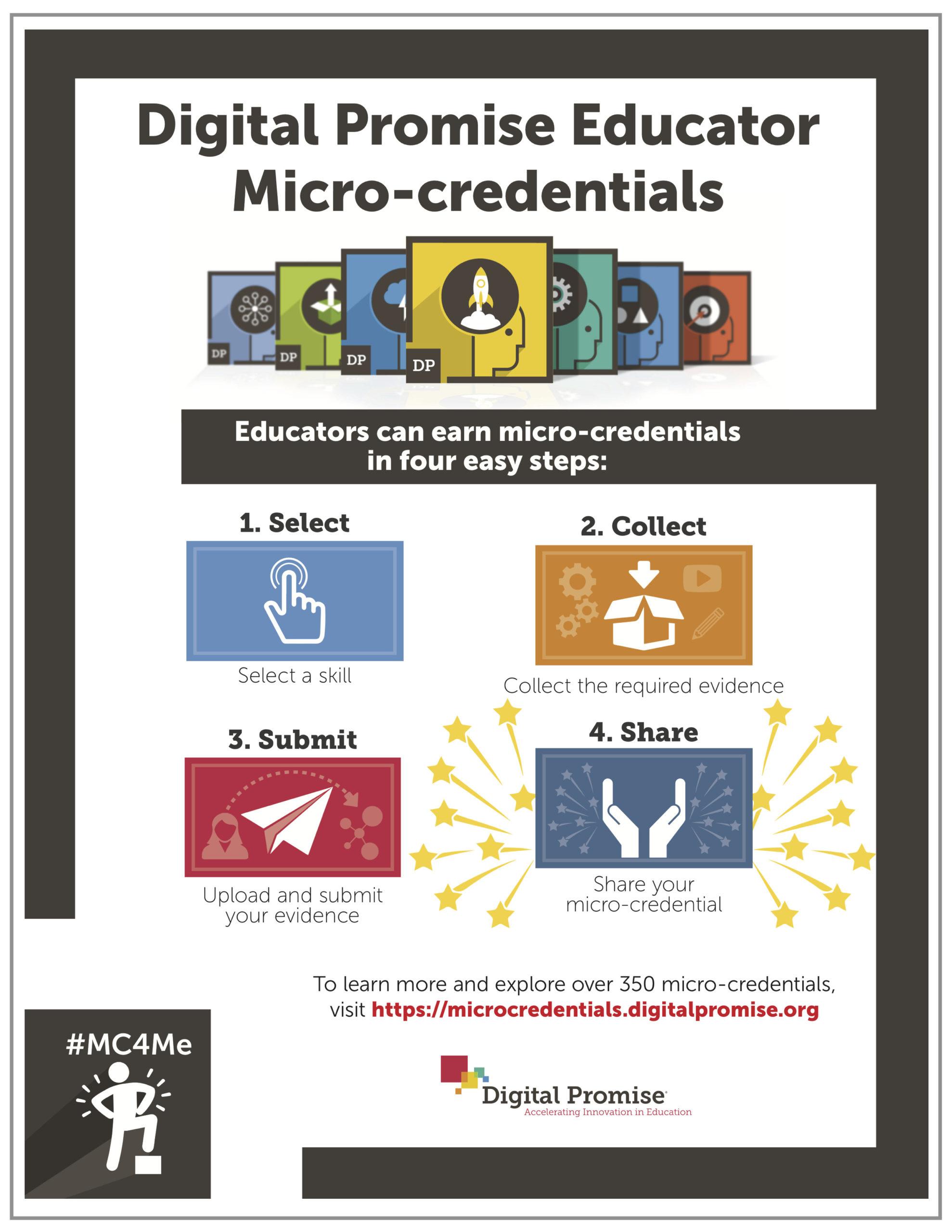
Micro-Credentials Revolution: How Small Certifications Are Transforming Professional Development
Micro-credentials are redefining how professionals learn, grow, and advance in their careers. As businesses and industries evolve at breakneck speed, traditional degrees alone often can’t keep up. Small certifications are now rising as fast, focused, and flexible solutions, making the professional development journey more accessible and rewarding than ever before. In this comprehensive guide, you’ll discover what micro-credentials are, their benefits, real-world applications, and how to leverage them for your own career growth.
What Are Micro-Credentials?
Micro-credentials are short, focused certifications that recognise competency in a specific skill, tool, or subject area. Unlike lengthy degree programs, micro-credentials can often be earned in weeks or even days, making them ideal for busy professionals or those wanting to pivot into new fields quickly.
- Digital badges or certificates often serve as verification.
- Offered by leading universities, online platforms, and industry organizations.
- Stackable, enabling lifelong learning and progression.
With the popularity of online learning and platforms like Coursera,edX,LinkedIn Learning,and Udemy,micro-credentials are more accessible than ever.
Why Are Micro-Credentials Gaining Momentum?
The micro-credentials revolution is transforming professional development for employees and employers alike. Here’s why:
1. Rapid Skill Acquisition
Today’s job market demands up-to-date, relevant skills. Micro-credentials can be tailored to trending industry needs—think cybersecurity,data analytics,project management—allowing workers to acquire expertise quickly,without committing to multi-year programs.
2. Flexibility and Personalization
Micro-credentials empower individuals to personalize their learning path, selecting only the most relevant courses for their career goals. Online micro-credentials can fit around full-time jobs, family duties, or other commitments.
3. Recognized Industry Value
From Google Career Certificates to Harvard Online Credentials, renowned organizations offer micro-credentials that carry meaningful weight with employers—sometimes leading directly to job opportunities or salary increases.
4. Affordable and Accessible
Compared to traditional degrees, most micro-credentials are affordable or offer free access, democratizing skill development for learners worldwide.
Key Benefits of Micro-Credentials for Professionals & Employers
- Accelerated Career growth: Earn relevant skills quickly and stand out to employers in competitive fields.
- Continuous Professional Development (CPD): Stay updated as technology and industry standards evolve.
- Enhanced Employability: Many job postings now designate specific micro-credentials as preferred or required qualifications.
- Portfolio Building: Digital badges can be showcased on LinkedIn or personal websites, boosting your professional brand.
- Organizational Agility: Employers can rapidly reskill staff to meet new business demands or respond to market shifts.
Popular Types of Micro-Credentials
- Technical Certifications: Data Science, Cloud Computing, AI, Coding, Cybersecurity
- Soft Skills: Leadership, Teamwork, Communication, Diversity & inclusion
- Industry-Specific Credentials: Healthcare IT, Digital Marketing, Education Technology, Finance
- Compliance & Regulation: GDPR, OSHA, ESG Reporting
Case Studies: Micro-Credentials Impact Across Industries
Technology – Google Career Certificates
Google offers micro-credentials in IT support, Data Analytics, UX Design, and more. Over 50% of learners report positive career outcomes in six months after completion.
Healthcare – Digital Health Certifications
With telehealth and digital records becoming the standard, micro-credentials in areas like health informatics and patient privacy allow healthcare workers to keep up with evolving standards and regulations.
Education – K12 and University Upskilling
Teachers are earning micro-credentials in STEM integration, curriculum design, and educational technologies, enabling the adoption of innovative teaching strategies and enhanced classroom outcomes.
First-Hand Experience: The Micro-Credentials Journey
“Pursuing micro-credentials in data analytics completely changed my career trajectory. I was able to pick up crucial skills in just a few months and land a new role with better pay and growth opportunities—all without a traditional degree in the field.”
— Sara J., Data Analyst
How to Choose the Right Micro-Credential for Your professional Development
Not all micro-credentials are created equal. to maximize your investment, follow these practical tips:
- Identify Career Gaps: Analyze job postings and industry trends to pinpoint in-demand skills relevant to your goals.
- Research Credential Providers: Favor programs from reputable universities, tech companies, and accredited organizations.
- Verify Employer Recognition: Check if the credential is acknowledged and valued in your target industry.
- Evaluate Curriculum & Requirements: Ensure a blend of practical tasks, assessments, and real-world relevance.
- Look for Stackable Options: Select micro-credentials that can contribute towards larger qualifications or degrees.
- Engage with Alumni Networks: Connect with past learners to gauge outcomes and success stories.
Recommended Platforms for Earning Micro-credentials
Future Trends: The Evolving Landscape of Micro-Credentials
Micro-credentials are rapidly reshaping how we view education and professional expertise. Expect these trends to shape the future:
- Integration into Higher Education: Universities are embedding micro-credentials in degree paths, allowing flexible, modular learning.
- AI-Driven Personalization: Adaptive learning paths and data-driven assessments will tailor micro-credentials to individual needs.
- Global Standardization: Initiatives are underway to harmonize micro-credential frameworks, improving recognition across borders.
- Blockchain Verification: Decentralized credential systems will make badges tamper-proof and universally portable.
Conclusion: Embrace the Micro-Credentials Revolution
Small certifications are a big deal. The micro-credentials revolution is empowering ambitious professionals to stay competitive, agile, and future-ready. Whether you’re looking to pivot careers, climb the corporate ladder, or simply keep your skills current, micro-credentials offer a flexible, affordable, and credible path to success.
Ready to elevate your career? Explore micro-credential opportunities today and join the thousands who are shaping the future of professional development—one small certification at a time.