
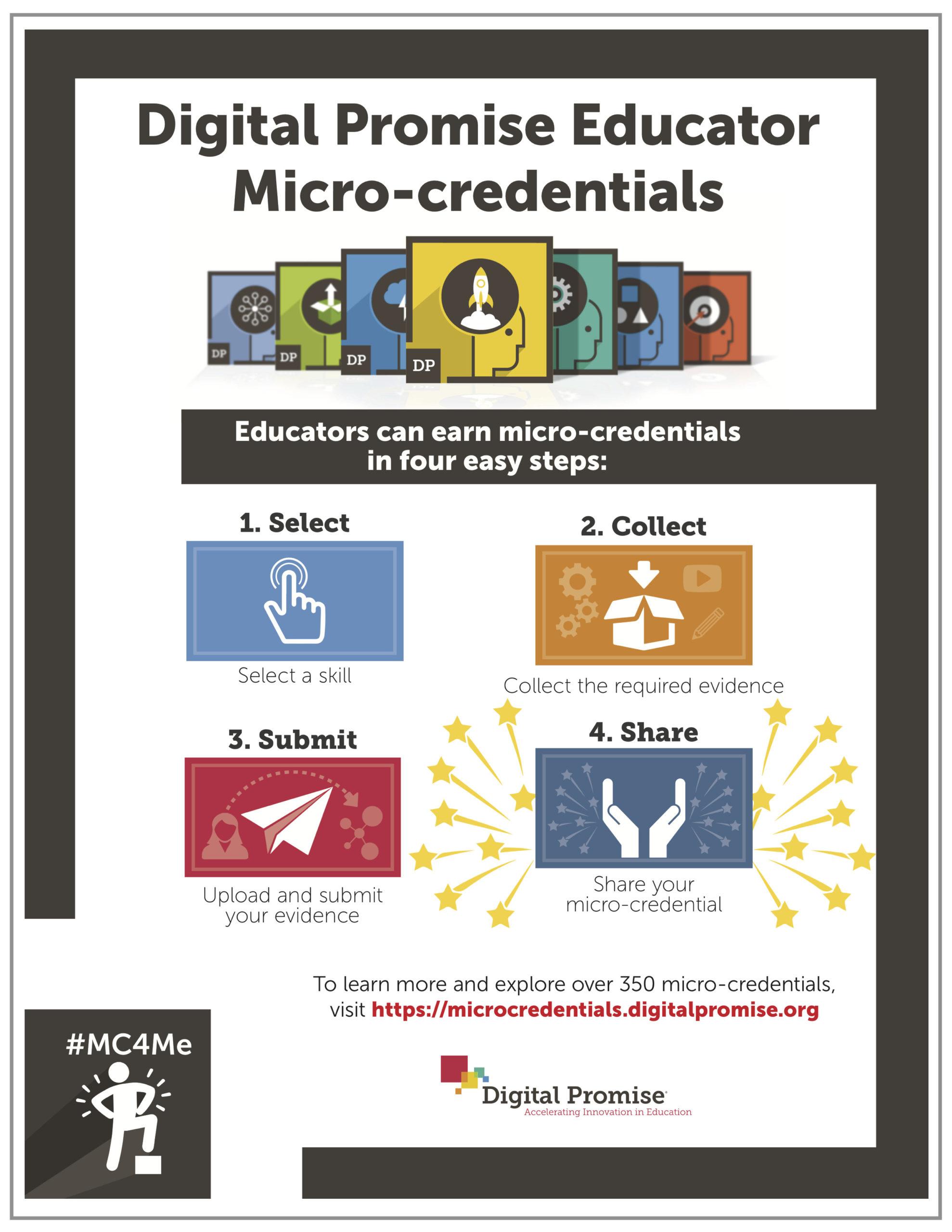
Micro-Credentials: Revolutionizing Professional Development and Career Advancement
In today’s rapidly changing professional landscape, staying competitive and up-to-date is more critical than ever. Customary degrees, while still valuable, are no longer the sole pathway for gaining recognized expertise. Enter micro-credentials—bite-sized, flexible, and industry-relevant certifications that are transforming how individuals learn, grow, and advance in their careers. This extensive guide delves into how micro-credentials are revolutionizing professional development,career progression,and organizational growth,offering insights,real-world examples,and actionable advice for both employees and employers.
What Are Micro-Credentials?
micro-credentials are short, targeted learning programs or certifications that validate specific skills, knowledge, or competencies in a particular subject area. Unlike traditional degrees, which can take years to complete, micro-credentials are designed for rapid acquisition and immediate workplace applicability.
- Formats: Digital badges, certificates, nano-degrees, and professional short courses.
- Providers: Universities, online platforms like Coursera, edX, LinkedIn Learning, and industry associations.
- Scope: Ranges from technical skills such as coding or data analytics to soft skills like project management or leadership.
The Rise of Micro-Credentials in Professional Development
the adoption of micro-credentials has soared in response to the fast-evolving demands of the modern workforce. As industries become increasingly digital and global, employers seek professionals with up-to-date, job-ready skills. Micro-credentials bridge the gap between traditional education and current market needs, allowing for continual skill upgrades.
- Agility: Quickly respond to new trends and employer demands.
- Accessibility: Lower cost and time commitment compared to traditional education.
- Recognition: Growing acceptance among employers and professional bodies globally.
Key Benefits of Micro-Credentials for Career Advancement
Whether you’re aiming for a promotion or considering a career change, micro-credentials offer distinct advantages:
1. Enhanced Employability
Organizations increasingly use micro-credentials to identify candidates with the precise technical or soft skills required for specific roles. Adding micro-credentials to your LinkedIn profile or resume can make you stand out in today’s competitive job market.
2. Personalized and Flexible Learning
Micro-credentials empower professionals to take charge of their learning journey. you can select courses that align with your goals and interests, learning at your own pace and schedule.
3.Immediate Request of Skills
Unlike traditional programs, micro-credentials focus on practical knowledge and real-world application, allowing you to implement new skills immediately and demonstrate value to your employer.
4. Cost-Effective Professional Development
Micro-credentials are generally more affordable than degree programs, making them accessible to a broader range of professionals seeking career advancement or upskilling.
5.Lifelong Learning and Adaptability
Encouraging continuous advancement, micro-credentials endorse a growth mindset, helping you remain agile in a dynamic job market.
How Employers are Leveraging Micro-Credentials
Forward-thinking companies recognize the value of micro-credentials in building agile, skilled teams. Here’s how organizations benefit:
- Talent Development: Customized learning pathways boost employee engagement and retention while reducing skills gaps.
- Recruitment: Micro-credentials aid in assessing specific competencies, streamlining candidate screening.
- Internal Mobility: Facilitates reskilling and upskilling,creating new pathways for employees and supporting organizational growth.
- Culture of Learning: encourages a proactive approach to learning, innovation, and adaptability.
Popular Micro-Credential Platforms and Providers
A wide range of accredited institutions and online platforms now offer high-quality micro-credentials. Leading providers include:
- Coursera – Partnerships with top universities provide industry-recognized certificates in areas like IT, buisness, and healthcare.
- edX – Offers micromasters programs and professional certificates from renowned institutions.
- LinkedIn Learning – Extensive library of courses on technical and soft skills with digital badges.
- udacity – Focuses on tech-driven “Nanodegrees” in high-demand fields like AI, data science, and programming.
- Industry Associations – PMI, CompTIA, and others offer niche certifications highly regarded in specific sectors.
Real-world Case Studies: Micro-Credentials in Action
Case study 1: Tech Professional Reskilling
Emily, a mid-level marketing specialist, leveraged digital marketing micro-credentials from Google and HubSpot to transition into a data-driven marketing manager role within her company. The recognition of these targeted credentials was instrumental in validating her skills and accelerating her promotion.
Case Study 2: Upskilling for Career Switch
After a decade in retail, John completed a series of micro-credentials in coding, UI/UX design, and project management from Coursera. He successfully shifted into the fast-growing tech industry by combining his retail experience with his new digital skills.
Case Study 3: Corporate Implementation
IBM launched its “Open Badges” program, awarding micro-credentials to employees who complete training in emerging technologies. This initiative resulted in increases in staff promotion rates and greater mobility within the association, demonstrating the real-world value of micro-credentialing for both individuals and companies.
Best Practices and Practical Tips for Leveraging Micro-Credentials
- Align Credentials with Career Goals: Choose micro-credentials that complement your current role or desired career path. Research current market demand to maximize ROI.
- Showcase Digital Badges: Add micro-credentials to your LinkedIn, digital portfolio, and resume to increase visibility and credibility with employers.
- Combine Hard and Soft Skills: Pair technical micro-credentials with programs in communication, leadership, or project management to become a well-rounded candidate.
- Verify Accreditation: Select programs from reputable providers to ensure your credential is recognized by employers and industry peers.
- Stay Current: Regularly update your skills as industries and technologies evolve. Micro-credentials make lifelong learning manageable and accessible.
The Future of Micro-Credentials in Professional Development
As technology advances and the nature of work continues to shift, micro-credentials are poised to play an even greater role in the future of professional development.Not only do they offer a scalable, flexible solution for employers and employees alike, but they also democratize access to skill-building, making lifelong learning attainable for everyone.
- Increased Employer Adoption: More companies are integrating micro-credentials into their learning and development pipelines.
- Standardization and Portability: Enhanced collaboration between education providers and industry will improve recognition and portability of digital badges across borders and sectors.
- Integration with AI and Digital Portfolios: Automated tools will make it easier to match candidates with roles based on verified micro-credentials.
Conclusion: Embrace Micro-Credentials for Career Success
Micro-credentials are rapidly becoming an essential tool for those looking to enhance their professional development and gain a competitive edge in the workforce. They offer flexibility, affordability, and relevance—all while keeping pace with the demands of today’s dynamic and digital-first job market. whether you’re an individual looking to advance your career or an organization aiming to future-proof your team, embracing micro-credentials is a smart move for career advancement and organizational success.
now is the perfect time to explore the world of micro-credentials. Start your journey today and unlock new opportunities for learning, growth, and career progression!