
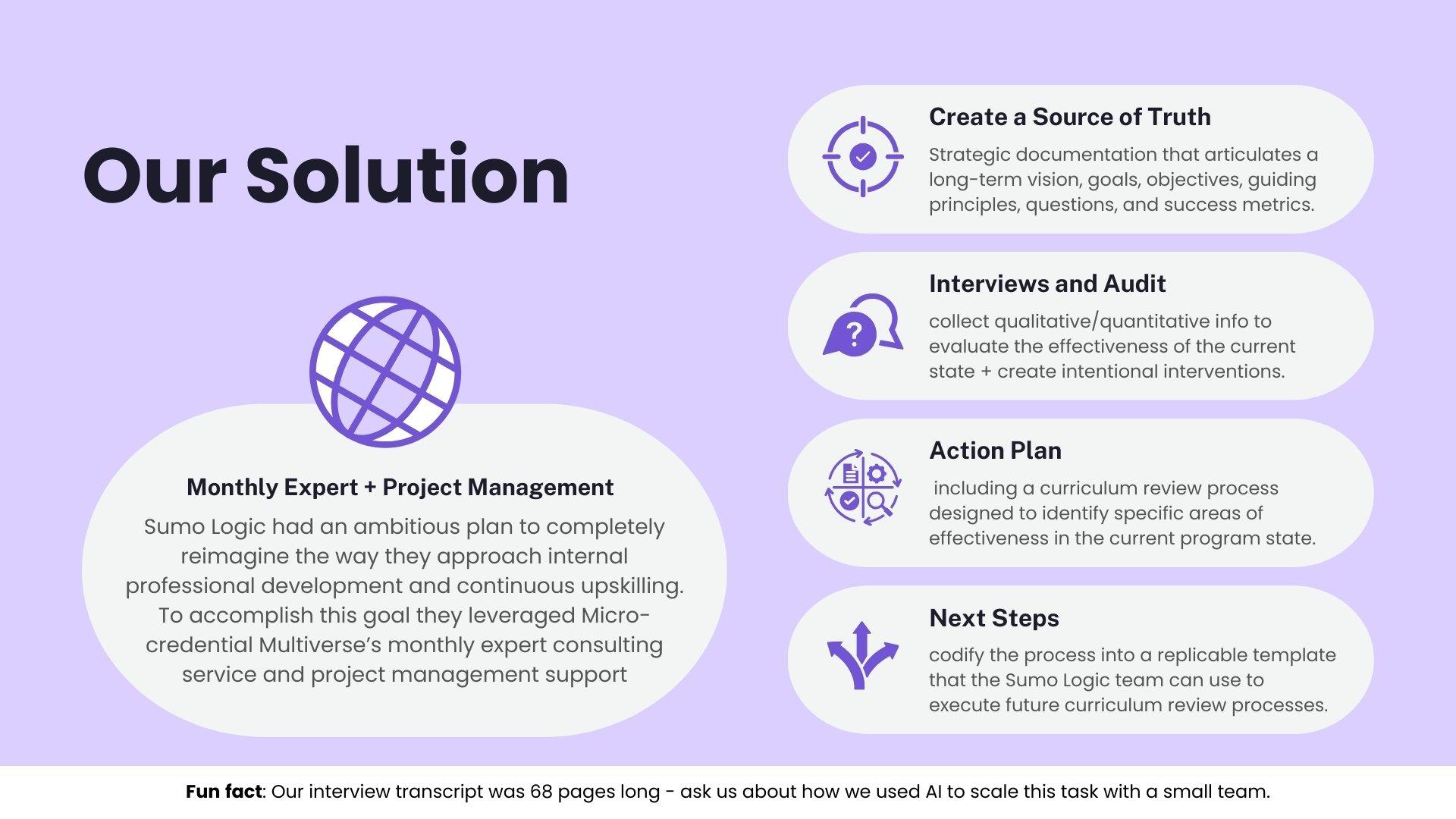
Micro-Credentials: Transforming Professional Development in Today’s Workplace
In today’s rapidly evolving job market,upskilling and reskilling have become necessities rather than luxuries. Employers and employees alike are seeking innovative ways to verify skills and competencies efficiently. Enter micro-credentials—a fast-growing trend that is revolutionizing professional development and transforming how individuals and organizations approach lifelong learning.
What Are Micro-Credentials?
Micro-credentials are short, targeted learning experiences that validate specific skills or knowledge areas. Unlike conventional degrees or lengthy certification programs, micro-credentials are designed for versatility, speed, and relevancy.They are often delivered online, focusing on emerging trends and in-demand skills, making them highly attractive in the digital age.
- Short Duration: Complete in days or weeks,not months or years.
- digital Validation: Issued as verifiable digital badges or certificates.
- Stackable: Can be combined to build toward larger credentials or qualifications.
- Industry-Relevant: Focused on skills employers need right now.
Why Micro-Credentials Matter in Today’s Workplace
The demand for professional development is at an all-time high,with automation,AI,and evolving job roles reshaping the modern workforce. Micro-credentials provide a solution to several challenges facing employers and employees:
- Bridging the Skills Gap: Rapid technological advancements create gaps in employee skills; micro-credentials offer targeted pathways to close these gaps quickly.
- Enhancing Career Mobility: Employees can showcase verified competencies, opening doors to promotions and lateral moves.
- Supporting Workforce Agility: Organizations can reskill teams swiftly to meet new business objectives.
- Boosting Employee Engagement: Continuous learning opportunities increase job satisfaction and retention.
Key Benefits of Micro-Credentials
For Employees
- Cost-effective and time-efficient compared to traditional qualifications.
- Focuses on practical, job-ready skills promptly applicable in the workplace.
- Digital badges and certificates enhance personal branding and online professional profiles (e.g.,LinkedIn).
- Encourages lifelong learning and adaptability in a fast-paced job market.
For Employers
- Enables quick verification of candidates’ skills during recruitment or promotion.
- Aligns workforce capabilities with organizational needs and market trends.
- Increases flexibility in workforce planning and training budgets.
- Improves productivity by empowering employees with up-to-date skills and knowledge.
Popular Types of Micro-Credentials in Professional Development
- Digital Badges: Visual representations of skills earned through online platforms (e.g., Credly, Badgr).
- Short Online Courses: Focused learning modules offered by universities and industry bodies (e.g., Coursera, udemy, LinkedIn Learning).
- Industry Certifications: Sector-specific credentials endorsed by professional associations (e.g., Google Data Analytics, AWS Cloud Practitioner).
- Nanodegrees and MicroMasters: Compact programs from platforms like edX and Udacity, recognized by employers and universities alike.
Case Studies: Micro-Credentials in Action
IBM Skills Academy
IBM’s digital badge program has enabled thousands of professionals to gain relevant technology and business skills. The badges are recognized worldwide and have considerably improved employability, especially in fields like cloud computing, AI, and cybersecurity.
Deakin University & Credly Partnership
Deakin University in Australia partnered with Credly to issue digital micro-credentials in specialties such as digital literacy, leadership, and project management. Graduates report higher engagement and more job offers thanks to the visibility of their verified skills on digital resumes.
How to Start earning Micro-Credentials: Practical Tips
- Identify Your Goals: pinpoint the skills or careers you want to develop.
- Research Accredited Providers: Choose reputable platforms with industry recognition.
- Review Course Content: Make sure the curriculum is up-to-date and relevant to your field.
- Set Aside Dedicated Learning Time: Even short modules require focus for maximum benefit.
- Share Your Achievements: Add digital badges and certificates to your online profiles, resumes, and portfolios.
- stay Current: Regularly update your credentials as industry standards evolve.
First-Hand experiences: A Learner’s Perspective
“After completing a series of micro-credentials in project management, I was able to shift into a leadership role much faster than if I had waited for a traditional degree. My new skills were immediately recognized by my employer, and the digital badge on my LinkedIn profile helped me stand out to recruiters.” – Samantha G., IT Project Manager
How Employers Can Incorporate Micro-Credentials Into Professional Development Strategies
- Integrate Micro-Credentials into Existing Learning Programs: Use micro-credentials to supplement internal training or leadership development tracks.
- Offer Incentives: motivate staff to earn micro-credentials by tying them to bonuses, promotions, or recognition programs.
- Promote a Culture of Continuous Learning: Encourage employees to pursue ongoing education to support both personal growth and business objectives.
- Partner with Providers: Collaborate with universities, online platforms, and industry bodies to ensure high-quality, recognized micro-credential offerings.
Potential challenges and Solutions
While micro-credentials offer numerous benefits, a few challenges remain:
- Recognition and Standardization: Not all micro-credentials are universally recognized.
solution: Choose programs backed by respected organizations or industry leaders. - Quality Assurance: The quality of course content can vary.
Solution: Research reviews and accreditation before enrolling. - Overwhelming Choices: The abundance of online courses can be confusing.
Solution: Focus on your career goals and prioritize the most relevant skills.
Conclusion: The Future of Professional Development is Micro-Credentialed
Micro-credentials are reshaping the landscape of professional development, making learning more flexible, accessible, and tailored to the needs of modern workplaces. Whether you’re an individual aiming to advance your career or an institution seeking to future-proof your workforce, embracing micro-credentials can unlock new opportunities and drive success in today’s dynamic job market. Start exploring micro-credential pathways today, and join the growing movement that is transforming professional growth for the better.