
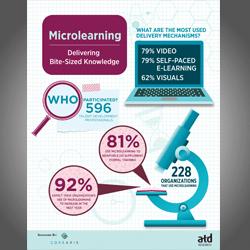
Microlearning: Empowering the Modern Learner with Bite-Sized, On-Demand Education
in today’s fast-paced digital world, customary learning methods often struggle to meet the dynamic needs of modern learners. Enter microlearning, a powerful approach that delivers bite-sized, on-demand educational content designed for accessibility, engagement, and retention. Whether you’re an educator, professional, or lifelong learner, microlearning offers a flexible solution perfectly tailored to fit busy schedules and short attention spans. In this article,we’ll explore what microlearning is,its key benefits,case studies,and practical tips for implementing microlearning strategies,all while highlighting why it’s essential for modern-day education and training.
What is Microlearning?
Microlearning refers to delivering educational content in small, manageable units that learners can quickly consume—even during short breaks throughout their day. Content can range from short videos and infographics to quizzes, flashcards, and interactive modules. With technology enabling instant access to data, microlearning meets the demand for on-demand education with minimal disruption to daily routines.
- Bite-sized modules: Lessons usually last between 2-10 minutes.
- Focused topics: Each microlearning unit covers a specific skill or concept.
- Accessible anywhere: Optimized for mobile devices and desktops.
- Self-paced: Learners choose when and how they engage with the content.
The Rise of Microlearning in Modern Education
With the evolution of digital learning platforms and remote work environments, microlearning is rapidly gaining traction across educational institutions and corporations. According to recent eLearning trends, organizations are integrating microlearning into their Learning management Systems (LMS) to bolster training outcomes and increase learner engagement.
Why Microlearning Appeals to Today’s Learners
- Time Efficiency: Short sessions fit into any schedule.
- Improved Retention: Revisiting information in small chunks boosts memory.
- Immediate Submission: Learners can quickly apply new skills to real-world scenarios.
- Engagement: Multimedia content and interactive elements sustain interest.
key Benefits of Microlearning
Microlearning offers a host of advantages for both individuals and organizations striving for effective education and professional progress. here’s why it’s such a game-changer:
1. Increased Engagement and Motivation
Bite-sized learning minimizes cognitive overload and keeps learners focused. Interactive elements, such as gamification and instant feedback, motivate users to stay on track and complete their goals.
2. Enhanced Retention and Recall
Short, targeted lessons promote better retention. Learners can revisit content easily, reinforcing knowledge over time—a proven advantage for long-term memory.
3. Adaptability and Accessibility
Microlearning modules can be accessed anytime, anywhere—perfect for remote teams or busy students who may not have hours to dedicate to lengthy courses.
4.Cost-Effectiveness
Developing micro-content is often less expensive and time-consuming than traditional eLearning courses. Organizations save on training costs while delivering just-in-time education.
5. Scalability
Digital platforms enable swift deployment and updating of microlearning content to large, dispersed groups, supporting both global employees and online learners.
Real-World Case Studies: Microlearning in Action
Microlearning is transforming learning and development across industries. Here are some compelling examples:
Corporate Training at XYZ Tech Solutions
- XYZ Tech integrated microlearning modules into their onboarding process for new hires.
- Average completion rates increased from 55% to 93%.
- Employee feedback revealed higher confidence and quicker skill acquisition.
Healthcare Education at City Hospital
- Nurses and healthcare workers accessed five-minute instructional videos on updated protocols.
- Improved compliance with medical procedures and faster adoption of changes.
- Reduced time spent in mandatory in-person training sessions.
Language Learning for Busy Professionals
- Language apps like Duolingo use microlearning to teach vocabulary and grammar in bite-sized lessons.
- Users report notable progress when practicing consistently for just a few minutes a day.
Practical Tips for Effective Microlearning implementation
If you’re ready to embrace microlearning strategies for your institution or personal growth, consider these expert tips:
-
Define Clear Objectives:
Identify specific topics and skills for each microlearning unit to maintain focus and relevance.
-
Mix Content Formats:
Combine videos, quizzes, podcasts, and infographics to accommodate different learning styles.
-
Encourage Interactivity:
Use gamification, badges, and challenges to foster active participation.
-
Monitor Progress:
Leverage analytics and feedback to refine content and optimize learning pathways.
-
Facilitate Social Learning:
Incorporate discussion forums and peer-to-peer sharing for collaborative growth.
-
Optimize for Mobile:
Ensure content is accessible on smartphones and tablets for true on-demand learning.
First-Hand Experiences: Voices of Modern Learners
The impact of microlearning is best captured through the words of those who have benefited directly from it:
“As a remote worker constantly juggling multiple deadlines, microlearning helped me upskill in project management without compromising my daily routine.Five-minute modules made it doable and even fun!”
— Claire T., Marketing Specialist
“Our healthcare team embraced microlearning videos for procedural updates, dramatically improving our accuracy and efficiency. The flexibility is a game changer!”
— Dr. Rajesh N., lead Physician
Challenges and Considerations
While microlearning delivers significant advantages, it’s critically important to recognize potential challenges:
- Content Fragmentation: Disconnected modules may lack context without a solid instructional design.
- Limited Depth: Some complex topics require more thorough exploration than microlearning can offer.
- Change Management: Organizations must cultivate buy-in at every level to ensure successful adoption.
Addressing these concerns involves balancing microlearning with more extensive training as needed and integrating modules into a cohesive curriculum.
Conclusion: The Future is Bite-Sized and On-Demand
microlearning stands at the forefront of digital education, empowering modern learners to acquire new skills quickly, efficiently, and enjoyably. With its focus on relevance, accessibility, and engagement, microlearning supports continuous growth in professional settings and beyond. By leveraging bite-sized content and on-demand delivery, educators and organizations can create impactful learning experiences that drive real results.
Ready to revolutionize your learning journey? Embrace microlearning and unlock a future where education fits effortlessly into your everyday life!
Frequently Asked Questions (FAQ) about Microlearning
- What types of content work best for microlearning?
Microlearning thrives on videos,interactive quizzes,infographics,podcasts,and scenario-based simulations.
- How can organizations measure the effectiveness of microlearning?
Use analytics, completion rates, learner feedback, and performance improvements to gauge success.
- Is microlearning suitable for all age groups?
Yes! Microlearning is adaptable for students, professionals, and seasoned employees alike.
Start your microlearning journey today and transform the way you learn!