
Microlearning Explained: How It Meets the Modern Learner’s Needs
In today’s fast-paced world, customary learning methods often fall short in engaging and retaining modern learners. Microlearning has emerged as an effective educational approach, characterized by delivering content in short, focused bursts designed for optimal attention and retention. Whether you’re an association, educator, or lifelong student, understanding microlearning can unlock new opportunities for efficient, results-driven learning. This article explores microlearning, its benefits, practical strategies, and why it’s the perfect match for the needs of contemporary learners.
What is Microlearning?
Microlearning refers to the practice of delivering educational content in small, easily digestible units, typically lasting a few minutes. Unlike traditional, lengthy learning modules, microlearning modules focus on single learning objectives, making content accessible anytime, anywhere, and at the learner’s convenience. Microlearning usually employs multimedia formats such as videos, infographics, quizzes, and podcasts, catering to diverse learning preferences.
- Short: Lessons are typically 2–7 minutes long.
- Focused: Each lesson covers one concept or skill.
- Accessible: Delivered via smartphones, tablets, or computers for maximum adaptability.
- Interactive: Incorporates quizzes,scenarios,or games for active learning.
Why Is Microlearning Ideal for Modern Learners?
The modern learner juggles a busy schedule, shorter attention spans, and rapid technology shifts.Here’s why microlearning aligns perfectly with contemporary needs:
- Time-Sensitivity: Microlearning modules fit into breaks, commutes, or free moments, making learning easily accessible.
- Mobile Learning: With the proliferation of smartphones, learners expect content available on-the-go.
- Personalization: Microlearning enables personalized paths, allowing learners to choose what, when, and how they learn.
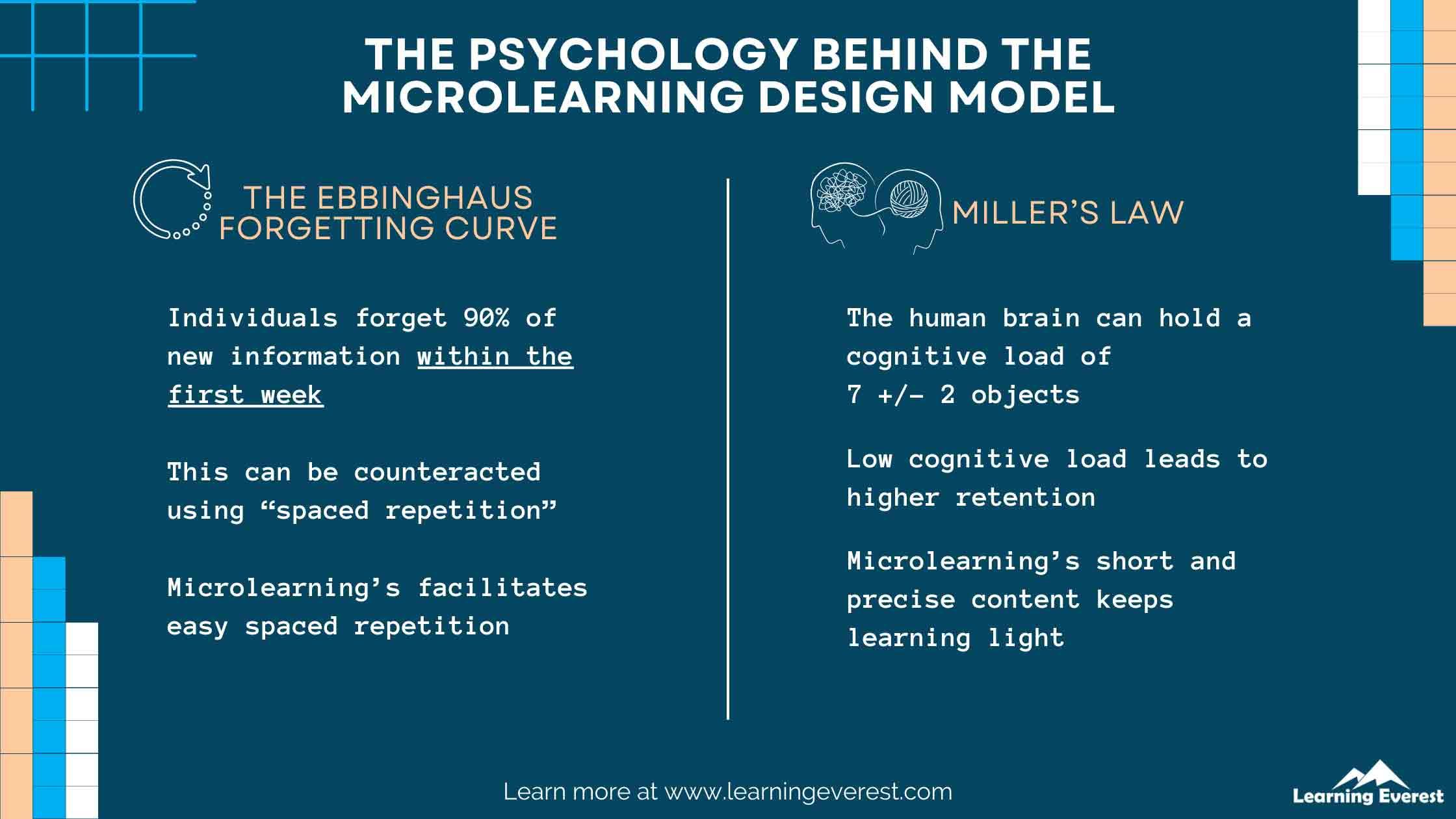
- Retention: Bite-sized content is proven to increase retention and recall by providing information just-in-time and in context.
Key Benefits of Microlearning
1.Improved Engagement
microlearning’s short modules keep learners focused, reducing cognitive overload and enhancing motivation.Gamified elements like badges and leaderboards further engage users.
2. Better Retention and Application
Microlearning’s repetition and spaced learning techniques foster better memorization and real-world application.
3. Flexibility & Accessibility
Learners access material anytime,from any device,making it ideal for remote teams or global organizations.
4.Cost-Effective
Creating and updating microlearning content is typically more affordable and scalable than developing full-length courses.
5. Rapid Development
Learning and development teams can launch microlearning resources quickly in response to changing organizational needs.
Microlearning vs. Traditional Learning: Key Differences
| Feature | Microlearning | Traditional Learning |
|---|---|---|
| duration | 2-7 minutes | Hours to days |
| Focus | One learning objective | Broad, multiple objectives |
| Delivery | Digital, mobile-friendly | Classroom/online session |
| Learner Engagement | High, interactive | Variable, often passive |
Practical Tips for Successful Microlearning Implementation
Thinking of integrating microlearning into your learning strategy? Here are practical tips to maximize its effectiveness:
- Define Clear Learning Objectives
Ensure each microlearning module targets one specific goal.
- Keep Content Short and Simple
Use concise language, engaging visuals, and focused messaging.
- Use Multimedia Elements
Leverage videos, infographics, podcasts, and interactive quizzes to cater to different learner styles.
- Enable Mobile Access
Design modules to be mobile-friendly for learners on the move.
- Gamify the Experience
Incorporate points, badges, and leaderboards for increased motivation.
- Track and Analyze Performance
Use analytics to monitor learner engagement and outcomes for continuous improvement.
- Encourage Spaced Repetition
Reinforce knowledge by revisiting content at spaced intervals.
Case Studies: Microlearning in Action
corporate Training
Company: IBM
IBM implemented microlearning for its sales teams by developing short video-based modules and assessment quizzes. The result? Sales reps improved product knowledge by 20% and enjoyed higher engagement rates compared to previous lengthy training sessions.
Healthcare Sector
organization: Cleveland Clinic
Cleveland Clinic developed mobile microlearning modules for nurses and doctors on new protocols. This helped frontline professionals adapt to changes rapidly without taking time away from patient care.successes included higher protocol adherence and faster skill acquisition.
Education
Institution: Arizona State University
ASU integrated microlearning into its online courses, using flashcards and brief video lectures. Students reported better retention of facts, improved engagement, and more frequent participation in course activities.
Firsthand Experience: A Learner’s Outlook
“As someone balancing work, family, and part-time studies, microlearning has transformed my education. Short, focused modules delivered to my phone allow me to learn on my commute, during lunch, or whenever I have a spare moment. With microlearning, I feel more in control and less overwhelmed by content overload.”
— sarah W., Graduate Student
Frequently Asked Questions About Microlearning
How long should a microlearning module be?
Typically, microlearning modules last between 2 and 7 minutes, focusing on a single learning objective.
Can microlearning replace traditional training?
Microlearning is often best used as a complement to traditional programs, serving to reinforce and consolidate learning or offer performance support just-in-time.
What content formats work best?
Popular microlearning formats include short videos, infographics, podcasts, quizzes, and interactive cards.
Is microlearning effective for all subjects?
Microlearning excels at skills-based and procedural topics but may need to be supplemented for complex subjects requiring deep exploration.
Conclusion: Microlearning—A Smart Solution for Modern Learners
Microlearning represents a revolution in education and training, offering bite-sized, focused lessons that cater to the needs of today’s multitasking, time-constrained, and tech-savvy learners. Organizations, educators, and individuals alike stand to benefit from adopting microlearning strategies, improving engagement, retention, and overall learning outcomes. By leveraging the power of digital technology, personalization, and flexibility, microlearning not only meets the demands of the modern learner but also sets the standard for the future of education.
Ready to elevate your learning strategy? Integrate microlearning today and experience more efficient, enjoyable, and impactful learning journeys tailored to the needs of modern learners.