
Microlearning: How Bite-Sized Learning Meets the Demands of Today’s Learners
In an era where attention spans are limited and expectations for fast,relevant training are high,microlearning—delivering information in short,focused bursts—has emerged as a leading strategy in education,corporate training,and professional advancement. Microlearning leverages bite-sized lessons tailored to meet the unique demands of today’s learners, yielding remarkable engagement and retention rates. In this article, we’ll explore what microlearning is, why it’s so effective, it’s key benefits, practical tips for implementation, and real-world case studies.
What Is Microlearning?
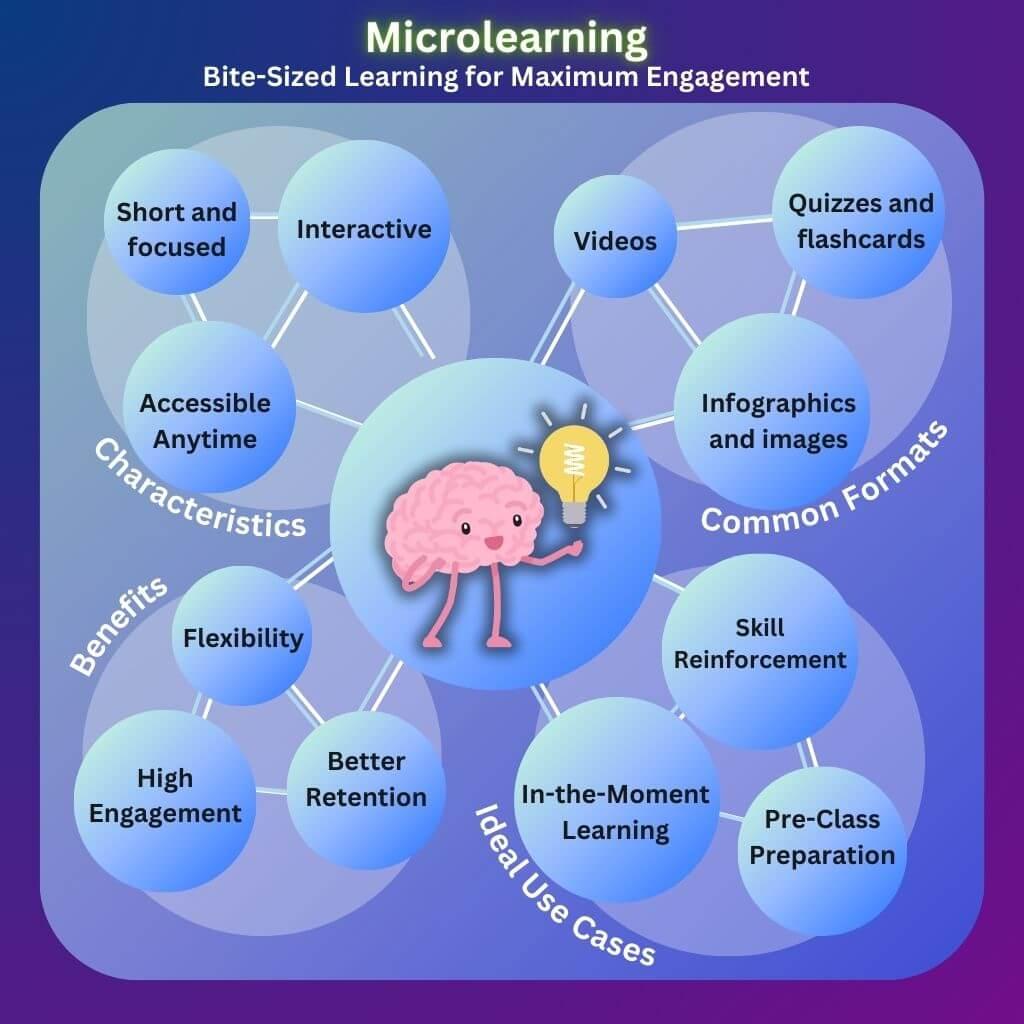
Microlearning refers to a teaching approach where educational content is broken down into small, easily digestible units typically lasting between 3 and 7 minutes. These bite-sized lessons are designed to be highly focused on a single topic or skill, making them ideal for learners who access content on-the-go or need immediate knowledge reinforcement.
- Format: Short videos, quizzes, infographics, podcasts, interactive modules.
- Accessibility: Optimized for mobile learning and flexible environments.
- Focus: Targets specific learning objectives or job-related tasks.
Why Microlearning Is Gaining Popularity
As digital transformation accelerates, microlearning is meeting the needs of modern learners in several impactful ways:
- Busy Schedules: Learners can fit microlearning modules around hectic routines.
- Just-In-Time Training: Delivers immediate, targeted information exactly when needed.
- Mobile-first Learning: Modules can be accessed on smartphones, tablets, or desktops.
- higher Engagement: Reduces cognitive overload and boosts attention through short, focused lessons.
Benefits of Microlearning for Today’s Learners
Microlearning offers a range of advantages for educational institutions,corporations,and individual learners. Here’s why it has become a staple in progressive learning environments:
- Improved Retention: According to research,learning in small chunks helps reinforce memory and retention compared to long-form lessons.
- Flexible & Scalable: Microlearning modules are easy to update,scale,and personalize for diverse audiences.
- Cost-Effective: Compared to traditional training programs, microlearning reduces production, delivery, and assessment costs.
- Learner-Centered: Content can be tailored to personal interests, roles, or skill gaps, improving overall satisfaction and outcomes.
- Faster Course Development: Creating and updating microlearning lessons requires less time,allowing organizations to respond quickly to changing needs.
- Enhanced Performance: Timely, relevant information supports on-the-job skill development and performance betterment.
How to Implement Microlearning Effectively
Step 1: Identify Learning Objectives
Start by determining which skills or topics are most relevant to your employees or students. Microlearning works best when focused on narrow learning objectives.
Step 2: Break down content
Divide complex subjects into smaller sub-topics. For each sub-topic, create a microlearning asset—such as a quick video, interactive quiz, or infographic.
Step 3: Design with Mobile Users in Mind
Ensure content is mobile-friendly,with clean visuals,minimal text,and interactive elements that display well on smartphones and tablets.
Step 4: Use Engaging Formats
- Short Explainer Videos
- Flashcards & Quizzes
- Infographics
- Podcasts & Audio Clips
- Scenarios & Simulations
Step 5: Integrate with Existing Platforms
Deploy microlearning modules through your Learning Management System (LMS) or popular apps like WordPress, Moodle, or proprietary mobile platforms.
Step 6: Measure & Refine
Track learner progress, engagement, and feedback. Use analytics to continually improve and adapt microlearning offerings.
Microlearning Best Practices
To maximize the impact of bite-sized learning, keep these best practices in mind:
- Keep It Short: Limit modules to 3-7 minutes for optimal retention.
- Focus on One Objective: Avoid information overload by targeting one learning goal per module.
- Make It Interactive: Include quizzes, drag-and-drop activities, or scenario-based questions.
- Use Real-Life Examples: Relate lessons to job contexts or everyday situations.
- Encourage Continuous Learning: Deliver microlearning in sequences for progressive skill development.
Case Studies: Microlearning in Action
Corporate Training Transformation
A global technology company shifted from lengthy,in-person seminars to microlearning delivered via a mobile app. Employees completed modules as needed, with 92% reporting improved job performance and confidence. The switch resulted in a 40% reduction in training time and a measurable increase in employee engagement metrics.
Healthcare Staff Skill Development
A hospital designed microlearning modules for new healthcare protocols and compliance updates. training completion rates jumped from 60% to 95%, and error rates in patient care decreased by 23% within six months of implementing bite-sized learning.
Online Education & eLearning
An online university introduced microlearning segments for advanced math courses, resulting in a 30% increase in student retention and a significant drop in dropout rates compared to previous semesters dominated by hour-long lectures.
First-Hand Experience: Learners Speak
Many professionals and students share positive feedback about microlearning. Jane, a full-time marketing manager, says:
“Microlearning fits perfectly with my busy schedule. I can watch a quick video during my commute, take a quiz after lunch, and feel more prepared for my meetings—without spending hours on traditional courses.”
University student Alex shares:
“The modular structure makes learning less overwhelming. I actually enjoy studying now because each piece feels achievable.”
Practical Tips for Creating Microlearning Content
- Plan your strategy: Outline monthly learning goals and map them to concise content pieces.
- Leverage multimedia: Combine audio, video, and visuals for greater engagement.
- Apply gamification: Use badges,leaderboards,and points to motivate learners.
- Solicit feedback: Encourage users to share suggestions and refine content based on their input.
- Utilize analytics: Track which modules are most popular and which need improvement.
Microlearning and WordPress: Enhancing Delivery
If you run an educational website or an LMS using WordPress, you can easily incorporate microlearning approaches. Plugins like learndash, LifterLMS, and Tutor LMS allow content creators to segment lessons, add interactive quizzes, and track progress. Use CSS to visually distinguish bite-sized modules—such as colored boxes, progress bars, or animated transitions—to make the learning experience more engaging and responsive.
Conclusion: The future of Bite-Sized Learning
Microlearning isn’t just a trend—it’s a powerful response to the demands of today’s fast-paced society. By breaking information into bite-sized, manageable pieces, educators and organizations can boost learner engagement, retention, and satisfaction.Whether you’re training employees,educating students,or pursuing personal growth,microlearning adapts to modern schedules and makes lifelong learning accessible and enjoyable.
As technology continues to evolve and remote work becomes mainstream, microlearning will only grow in relevance. To stay ahead, embrace bite-sized learning and watch your learners—and your association—thrive.
Interested in implementing microlearning for your team or class? Start small, experiment with various formats, and don’t forget to ask learners for feedback. The future of effective education is short, focused, and right at your fingertips.