
Microlearning: How Bite-Sized Learning Meets the Modern Learner’s Demands
In a world overloaded with details and distractions, the customary methods of eLearning and in-person training are quickly evolving. Microlearning has emerged as a game-changing solution, offering concise, focused learning experiences that fit easily into daily life. But what makes microlearning so effective? How does bite-sized learning meet the modern learner’s demands in workplaces, educational institutions, and personal development? Let’s dive into how microlearning is revolutionizing the learning landscape and how you can successfully implement it for impactful results.
What is Microlearning?
Microlearning refers to delivering educational content in small,specific bursts—typically ranging from a few seconds to 15 minutes—targeted towards a single learning objective. This method contrasts with lengthy training sessions that can overwhelm and disengage learners. Structured for maximum efficiency, microlearning is commonly provided through video clips, infographics, interactive quizzes, audio snippets, and even social media posts.
- Definition: Short, focused learning modules accessible anytime, anywhere
- Formats: Videos, podcasts, infographics, quizzes, flashcards, gamified content
- Core purpose: Deliver knowledge ”just-in-time” to drive efficiency and retention
Why Modern Learners Prefer Bite-Sized Learning
Today’s learners are digital natives, balancing multiple demands—work, family, hobbies, and social life. They expect learning experiences to be engaging, relevant, and convenient. Here’s why microlearning aligns perfectly with the modern learner’s needs:
- Time-sensitive: Learning on-the-go is a necessity in fast-paced environments
- Attention Span: Research shows a important decrease in attention span; concise content is better absorbed
- Personalization: Learners choose modules relevant to their challenges and roles
- Immediate Application: knowledge can be directly transferred to daily tasks and problems
- Mobile Compatibility: Most microlearning platforms are optimized for smartphones and tablets
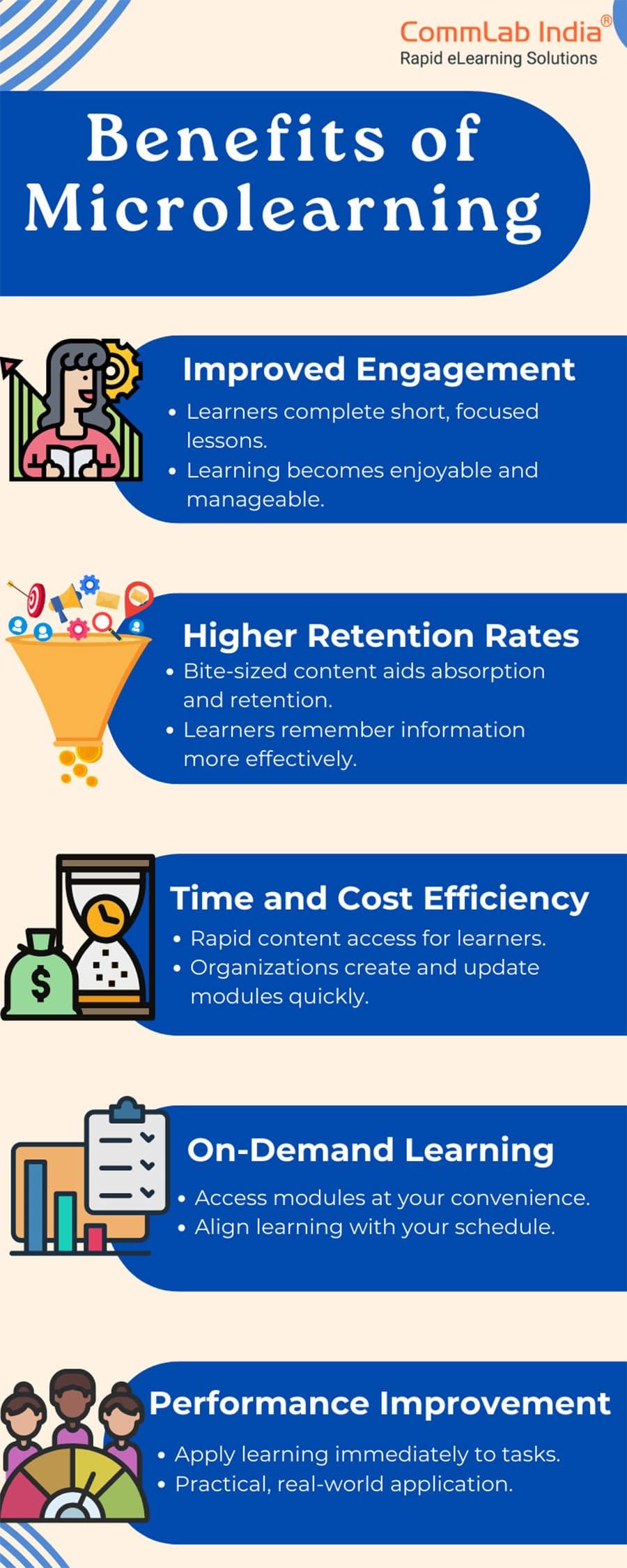
Key Benefits of microlearning
Switching to microlearning isn’t just about shorter videos or minimalist slides. Here’s a closer look at the advantages:
1. Improved Knowledge Retention
microlearning structures information into manageable chunks, boosting recall and reducing cognitive overload. Learners can revisit content as frequently enough as needed, reinforcing understanding and long-term memory.
2. higher Engagement
Interactive elements in microlearning modules—like gamification, quizzes, and rich multimedia—increase completion rates and keep learners motivated throughout the process.
3. Greater Flexibility and Accessibility
bite-sized learning is accessible on-demand through mobile devices, making it convenient for remote and hybrid teams to learn anytime, anywhere.
4. Cost and Time Efficient
Organizations save on both development and delivery costs. Learners spend less time away from core tasks, resulting in higher ROI and productivity for businesses.
5. Rapid Content updates
Microlearning allows for speedy updates and deployment, ensuring content stays relevant and aligned with evolving standards or product changes.
Microlearning vs Traditional Learning: A Quick Comparison
| Aspect | Microlearning | Traditional Learning |
|---|---|---|
| Content Length | 5-15 minutes | 1-2+ hours |
| flexibility | High; self-paced, mobile-friendly | Moderate; time and location-restricted |
| Retention | High, due to repetition & focus | Moderate; risk of overload |
| Cost | Lower | Higher |
| Application | Immediate, practical | Delayed, less practical |
top Microlearning Use Cases & Case Studies
Microlearning isn’t just a theoretical approach—it’s widely adopted across manny industries. Here are real-world examples of how organizations leverage microlearning to drive results:
1. Corporate Training at IBM
IBM transitioned a portion of its internal training to microlearning modules. The results? A reported 50% reduction in training costs and a 20% boost in information retention among employees.
2. Compliance Training in Healthcare
For busy healthcare professionals, compliance training needs to be quick and effective. Mercy Hospitals shifted their HIPAA compliance course into ten 5-minute microlearning units, resulting in an 80% completion rate (up from 55%) and fewer compliance violations.
3. Sales Enablement at Microsoft
Microsoft utilizes short, interactive lessons for product updates, enabling sales teams to keep up with rapid changes. thes modules are accessible via a mobile app, ensuring on-the-go learning for field representatives.
4. Language Learning Apps
Apps like Duolingo and Babbel have popularized microlearning for personal growth, using bite-sized lessons and gamification to keep learners coming back daily.
Best Practices for Effective Microlearning Implementation
for organizations and educators interested in adopting microlearning, follow these best practices to ensure prosperous implementation:
- Define Clear Learning objectives: Each module should focus on a specific skill or concept
- Keep Modules Short and Focused: Aim for simplicity and relevance—less is usually more
- Use Engaging Formats: Mix videos, infographics, quizzes, and social learning
- Leverage Mobile-First Design: Ensure frictionless access on smartphones and tablets
- Reinforce with Spaced Repetition: Revisit key concepts across multiple sessions
- Measure Outcomes: Use analytics and feedback to optimize content and engagement
Microlearning Platforms & Tools to Consider
Choosing the right microlearning platform is essential. Here are some trusted platforms to start with:
- TalentCards: Mobile-focused, perfect for deskless workforces
- EdApp: Rapid authoring tools with gamification features
- Axonify: Personalized learning paths based on knowledge gaps
- Coursera Microlearning: Short modules from top universities and companies
- LearnDash: WordPress-based LMS with strong microlearning support
First-Hand Experience: How microlearning Transformed My Productivity
As someone who has struggled with long, traditional training sessions in the past, switching to microlearning was transformative. I began using micro-courses to upskill in digital marketing, dedicating 10 minutes every morning while commuting. within a few weeks, I found myself retaining more, applying knowledge sooner, and feeling less stressed about finding time to learn. The flexibility, focus, and instant feedback made all the difference.
Conclusion: Microlearning—The Future of Smart,Efficient learning
Microlearning has carved a critical niche in education and corporate training by meeting the unique needs of busy,modern learners. Its ability to deliver impactful, relevant, and engaging content—right when it is indeed needed—sets it apart as a go-to strategy for personal and professional development. Whether you’re a corporate trainer, educator, or lifelong learner, adopting microlearning’s bite-sized approach can lead to higher engagement, superior knowledge retention, and measurable outcomes.
Ready to embrace the future? Start small, keep content focused, and watch your learning ecosystem flourish with microlearning.