
Microlearning: How Bite-Sized Learning Solutions meet the Modern Learner’s Needs
In today’s fast-paced digital landscape,the way we learn is undergoing a remarkable conversion. Conventional, lengthy training sessions are being replaced by concise and focused learning experiences. Enter microlearning—the bite-sized approach to education designed to align perfectly with modern learners’ habits, preferences, and busy schedules. But what exactly is microlearning, why has it become so popular, and how can organizations leverage this approach? Let’s explore how microlearning is shaping smarter, more effective learning solutions for the 21st-century learner.
What is Microlearning?
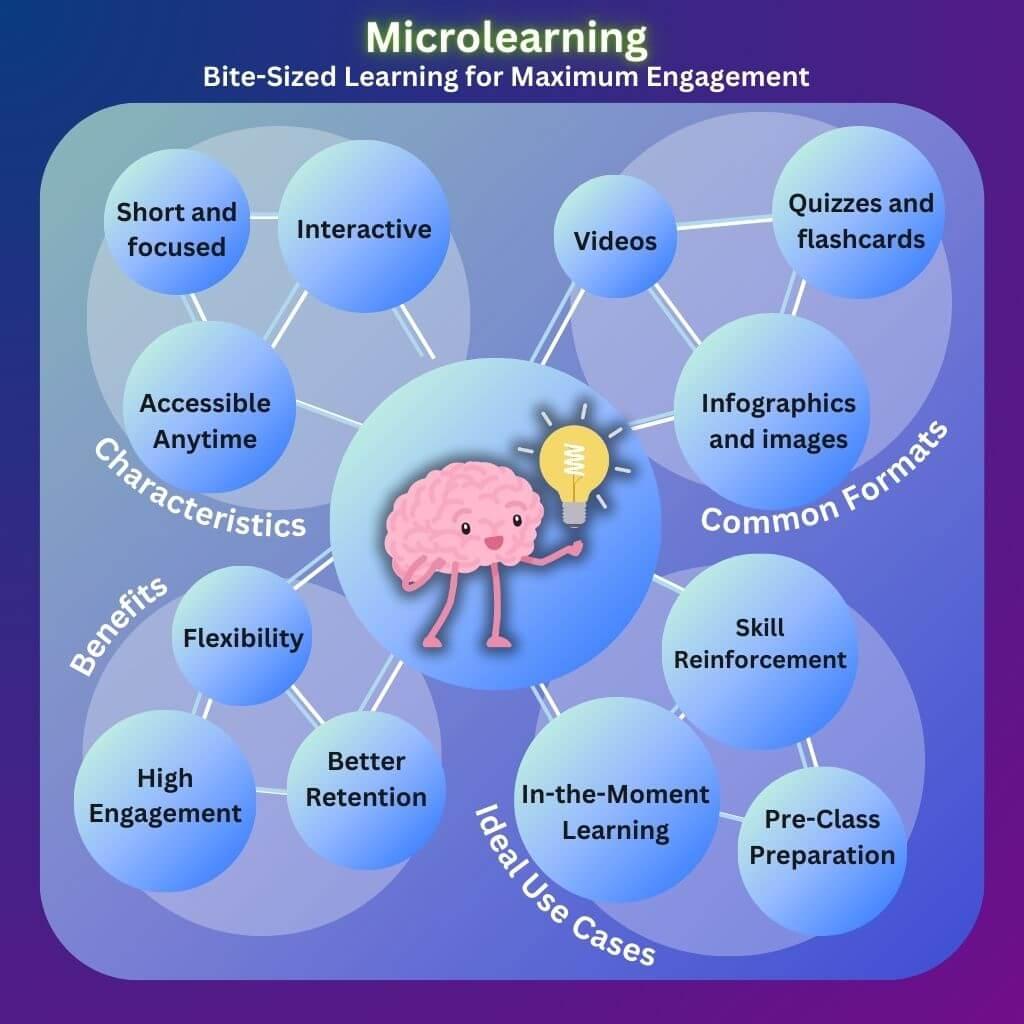
Microlearning refers to the delivery of educational content in small, easily digestible units. These “bite-sized” learning modules usually take just 3-7 minutes to complete, making them ideal for quickly acquiring knowledge or skills without overwhelming the learner. Microlearning is often delivered digitally, via mobile devices or learning management systems, utilizing diverse formats such as videos, quizzes, infographics, and podcasts.
- Mobile amiable: Designed for on-the-go learning.
- Short duration: Typically under 10 minutes per module.
- Media-rich: Uses video, audio, gamification, and more.
- Just-in-time access: Learners can access content whenever and wherever they need it.
Why is Microlearning So Relevant for Modern Learners?
The way we work and learn is evolving rapidly. Today’s learners value flexibility, autonomy, and instant access to knowledge, making bite-sized learning solutions not just preferable, but essential. Here’s why microlearning resonates perfectly with modern learners:
- Short attention spans: Studies show that most adults can only maintain focus for about 20 minutes. Microlearning modules reduce cognitive overload and improve retention.
- Busy lifestyles: Whether remote work or busy office days, learners appreciate not having to block large periods for training.
- Mobile-first habits: With more learning taking place on mobile devices, content needs to be succinct and accessible.
- Personalization: Microlearning allows learners to consume just what they need, when they need it.
- Continuous learning culture: Enables ongoing growth, supporting career growth and upskilling.
Key Benefits of Microlearning for Organizations and Learners
Adopting a microlearning strategy brings a multitude of advantages for both learners and organizations. Here’s how:
1. Increased Engagement and Retention
Microlearning’s focused format combats boredom and disengagement. By delivering content in small chunks, it is easier for learners to assimilate and recall data, improving retention rates by up to 20% compared to traditional methods.
2. Just-in-Time Learning Solutions
Microlearning modules can be accessed on-demand, supporting employees exactly when they need specific knowledge—like preparing for a meeting or troubleshooting a problem.
3. Scalability and Cost-Effectiveness
Developing microlearning content is often faster and less expensive than designing full-length courses, allowing organizations to deliver training to large audiences without breaking the bank.
4. Supports Mobile and Remote Learning
Mobile-responsive microlearning empowers remote or hybrid teams to keep learning, wherever they’re working from.
5. Enables Personalized Learning Paths
Learners can select modules that align with their interests or skill gaps, creating individualized learning experiences that drive real outcomes.
Microlearning in Action: Real-World Examples & Case Studies
Numerous organizations across industries have already leveraged microlearning with extraordinary results. Here are a few examples:
- Walmart: Rolled out short video lessons via mobile devices for employee onboarding, resulting in faster integration and improved job performance.
- google: Uses “just-in-time” microlearning resources for managers, empowering them with quick coaching tips and leadership techniques.
- Deloitte: Implemented gamified microlearning modules to boost employee engagement, dramatically improving participation rates for corporate training programs.
Even in the education sector, microlearning platforms like Duolingo have proven enormously successful, helping millions learn new languages through daily, manageable lessons.
Best Practices to Implement microlearning Successfully
Ready to incorporate microlearning strategies within your institution or for your own professional growth? Here are some actionable tips to ensure maximum impact:
- identify clear learning objectives: Each micro module should focus on a single topic or skill.
- Mix and match content types: Use videos, interactive scenarios, infographics, and quizzes to reinforce different learning styles.
- Make it mobile-friendly: Design for smartphones and tablets, ensuring a seamless experience on all devices.
- Encourage spaced repetition: Space out modules over time to drive better retention and long-term recall.
- Assess and optimize: Collect feedback, track analytics, and tweak content based on learner engagement and outcomes.
first-Hand Experience: An Employee’s Outlook
“I used to dread mandatory training sessions—hours in a classroom after a long workday. Since our company switched to microlearning, I’m able to pick up key insights during my commute or lunch break. The quick, targeted lessons are easy to remember, and I can revisit them whenever I need a refresher. It’s training that truly fits my schedule and learning style.”
Common myths About Microlearning
Despite its growing popularity, some misconceptions about microlearning persist. let’s bust a couple of common myths:
- Myth 1: Microlearning is only for simple topics. Reality: Even complex subjects can be deconstructed into smaller lessons and delivered over time.
- Myth 2: Microlearning replaces traditional training entirely. Reality: Microlearning is best when it augments broader learning initiatives as reinforcement or refresher content.
- Myth 3: All “short” content counts as microlearning. Reality: Effective microlearning requires intention—each lesson should have a clear objective and outcome.
How to Get Started with Microlearning
Want to launch your own microlearning program? Follow these steps to get started:
- Audit current learning content: Identify which topics or training modules can be divided into smaller, stand-alone lessons.
- Select the right tools: Explore microlearning platforms like TalentCards, EdApp, or learning management systems with microlearning features.
- Create pilot modules: Start small—test a few microlearning units with a smaller group and measure outcomes.
- Iterate and scale up: Use feedback to refine your approach, then roll out your microlearning campaign across your organization.
Conclusion: Why Bite-Sized Learning is Here to Stay
microlearning isn’t a fleeting trend—it’s a powerful response to the changing dynamics of the modern workplace and the ever-evolving needs of today’s learners. By distilling information into highly focused, easily accessible modules, microlearning offers a proven way to boost engagement, retention, and overall performance. Whether you’re an HR professional,trainer,or learner,it’s time to embrace microlearning and unlock the full potential of bite-sized learning solutions.
Are you ready to empower your workforce with microlearning? Start small, iterate, and watch as your learners thrive in an era where less truly is more.