
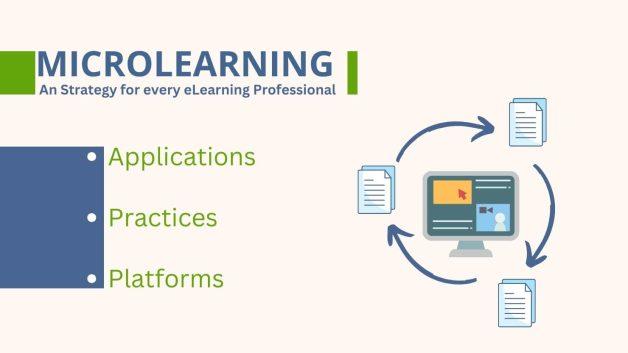
Microlearning: how Bite-Sized Lessons meet Modern learner Needs
In today’s fast-paced digital era, traditional training methods are frequently enough too lengthy and inflexible to meet the needs of modern learners. Enter microlearning—a powerful educational strategy designed around short, focused learning experiences that align perfectly with today’s attention spans and work demands. In this article,we’ll explore what microlearning is,why it’s so effective,and how you can implement bite-sized lessons to maximize learning outcomes for yourself or your organization.
What is microlearning?
Microlearning is an instructional approach that delivers content in small, manageable chunks, typically lasting between two to ten minutes. These bite-sized lessons are laser-focused on single learning objectives and are frequently enough delivered via digital platforms such as mobile apps, video snippets, infographics, quizzes, or podcasts.
Key characteristics of microlearning include:
- Short Duration: Lessons are compact, making them easier to fit into busy schedules.
- Specific Focus: Each module targets one learning outcome or skill.
- On-Demand accessibility: Content is available anytime, anywhere—often via smartphones or tablets.
- Interactive Elements: Engagement is boosted through fast quizzes, simulations, and interactive videos.
key Benefits of microlearning
Adopting microlearning for corporate training, education, or personal skill-building comes with a host of practical advantages. Here are some of the most compelling benefits:
1. improved Knowledge Retention
Bite-sized lessons naturally align with how our brains process and store facts. By presenting content in smaller pieces, learners are better able to absorb, recall, and apply new concepts.
2.Enhanced Engagement
Microlearning leverages engaging media, such as videos, infographics, and interactive modules, boosting motivation and participation—especially among digital-native learners.
3. Mobile-Amiable Accessibility
Modern learners expect training to be as flexible as their lifestyles. Microlearning modules are designed for multi-device compatibility,letting users learn on-the-go,during commutes,or in short breaks.
4. Faster Development and deployment
Becuase content is shorter, microlearning resources can be created, updated, and distributed more quickly compared to traditional e-learning courses.
5. Personalized Learning Paths
Microlearning allows individuals to select exactly what they need, personalizing their learning experience to bridge specific knowledge gaps or upskill rapidly.
6. Cost-Effective Training
Concise modules eliminate needless information, reduce development time, and lower training costs—making microlearning a smart investment for organizations of all sizes.
Microlearning vs.Traditional Learning
| Aspect | Microlearning | Traditional Learning |
|---|---|---|
| Duration | 2-10 minutes per lesson | Hours to days/week-long courses |
| Delivery Medium | Digital (mobile apps, video, podcasts) | classroom, textbooks, lengthy e-courses |
| Adaptability | Anytime, anywhere; learner-paced | Fixed schedules / locations |
| Focus | Single topic or skill per unit | Broad, covers multiple topics in depth |
| Retention & Application | Higher, due to spaced repetition and relevance | Lower, due to cognitive overload |
How to Implement Microlearning Effectively
Ready to bring the power of microlearning into your learning strategy? Follow these practical steps to design and deliver impactful bite-sized lessons:
-
Define Clear Learning Objectives:
Break down complex topics into specific, measurable outcomes for each micro-lesson. -
Choose the Right Format:
Mix multimedia elements such as short videos, podcasts, quizzes, flashcards, and infographics to cater to various learning preferences. -
Optimize for Mobile Devices:
Ensure all content is responsive and easily navigable on smartphones and tablets. -
Apply Spaced Repetition:
Schedule modules at regular intervals to reinforce learning and enhance retention. -
Encourage Interaction:
Incorporate short quizzes, discussion forums, or micro-assignments to promote learner engagement and active recall. -
Track and Analyze Progress:
Use Learning Management Systems (LMS) or analytics tools to monitor progress and optimize content based on real learner data.
Best Practices for Microlearning Success
- Keep each module under 10 minutes.
- Use real-world scenarios or case studies to provide context.
- Design for accessibility (closed captions, screen readers, etc.).
- Offer badges or rewards to incentivize progress.
- Regularly update content for ongoing relevance.
Real-World Case Studies
Case Study 1: Microlearning in Corporate Training
IBM adopted microlearning to onboard new employees globally. By shifting from day-long workshops to a microlearning approach featuring short video modules, IBM reduced training time by 60% while improving knowledge retention rates and participant engagement scores.
Case Study 2: Healthcare and Compliance Training
A leading hospital in the UK introduced microlearning videos and quizzes for compliance updates. As a result, staff completed mandatory training 2x faster, and the facility reported a 35% increase in compliance accuracy within six months.
Case Study 3: Language Learning Apps
Popular platforms like Duolingo and Babbel leverage microlearning by offering bite-sized lessons, daily practice reminders, and gamification. Their success demonstrates how spaced, engaging, and brief content drives real skill acquisition and user loyalty.
Firsthand Experiences with Microlearning
Educators are reporting increased student engagement and improved test performance when traditional lectures are supplemented with microlearning modules. “My students love the flexibility and instant feedback from quick quizzes between classes. They come to in-person sessions better prepared and more confident,” says Anna S., a university instructor.
Likewise, working professionals using microlearning for ongoing certification find it less overwhelming. John, a project manager, shares: “I used to postpone mandatory training because it felt like a huge time commitment. With microlearning, I can complete modules over coffee breaks—it doesn’t disrupt my schedule, and I retain more information.”
Conclusion: The Future is Bite-Sized
Microlearning isn’t just a trend—it’s an evolution in education and training that aligns perfectly with the needs and habits of modern learners. Bite-sized lessons,accessible on demand,provide flexibility,engagement,and proven learning outcomes whether you’re aiming for corporate training,professional development,or personal growth.
If you’re ready to transform how you (or your team) learn,start exploring microlearning today. Break large topics into short,focused modules,leverage interactive and mobile-friendly content,and harness data to continuously improve. The result? Smarter, faster, and more effective learning for everyone.