
Microlearning: How Bite-Sized Training Meets Today’s Modern Learner’s Needs
In our fast-paced digital era, conventional training methods struggle too keep up with rapidly evolving workplace demands and shrinking attention spans. Enter microlearning—the strategy of delivering short, focused learning experiences. Microlearning not only boosts engagement and retention but is perfectly suited to meet today’s modern learners’ needs. in this article, we’ll explore why microlearning is so effective, it’s key benefits, practical implementation tips, and inspiring real-world examples.
What is Microlearning?
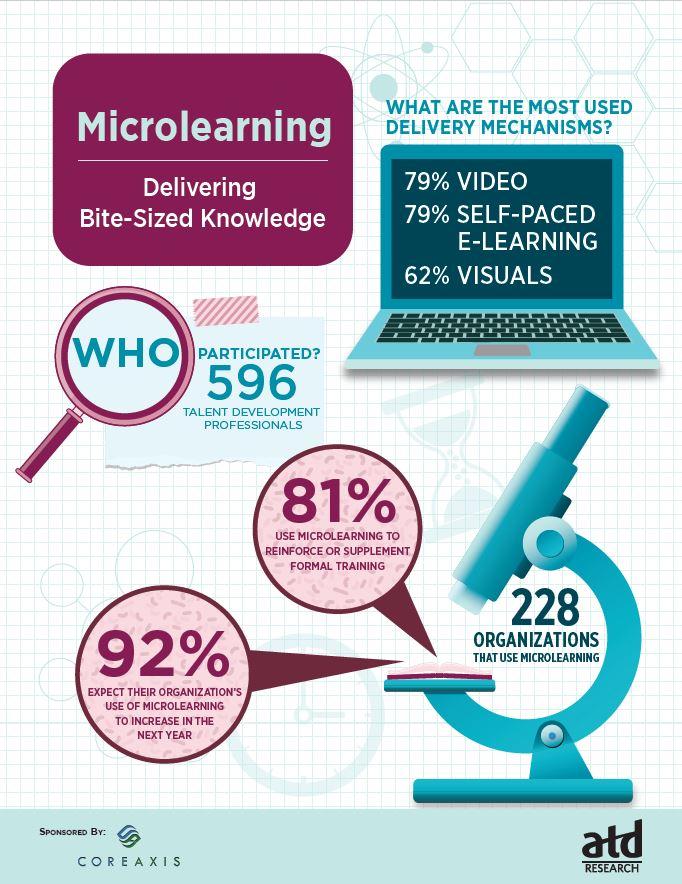
Microlearning is an instructional approach that provides content in small, manageable units. These bite-sized learning modules typically run from just a few seconds to about fifteen minutes, focusing on a single topic or objective for each lesson. microlearning can be delivered through various formats, such as video clips, quizzes, infographics, podcasts, and interactive modules, often accessible via mobile devices.
- Short and-targeted: Each lesson focuses on one concept or skill.
- Flexible delivery: Learners can access materials anytime, anywhere.
- Just-in-time learning: Knowledge is provided at the moment of need.
- Mobile-amiable: Suits modern, on-the-go lifestyles.
why Microlearning Appeals to the Modern Learner
The modern learner is often overloaded with information and pressed for time. According to research by Deloitte, employees get, on average, only 24 minutes per week for formal learning. Microlearning addresses these challenges by:
- Matching shorter attention spans: Easier for learners to process small snippets rather than lengthy sessions.
- Adapting to busy schedules: Bite-sized modules fit seamlessly into coffee breaks,commutes,or even between meetings.
- Delivering information on demand: learners can access content exactly when it’s needed, enhancing both relevance and retention.
- Embracing mobile technology: Microlearning’s digital nature supports remote learning and a mobile-first approach.
Key Benefits of Microlearning
Adopting a microlearning strategy is not simply about shortening content—it’s about making learning more efficient and effective. Here are some of the most important advantages:
1. Improved Knowledge Retention
Cognitive science suggests that the human brain processes and retains segmented information more effectively. Microlearning leverages the spacing effect, enabling learners to digest and review critical details over time, resulting in longer-lasting comprehension.
2.Enhanced Learner Engagement
Short, interactive modules—such as quick quizzes, scenario-based games, or explainer videos—capture attention and foster higher completion rates. Gamification elements often used within microlearning further motivate learners to engage frequently and consistently.
3.Cost and Time Efficiency
Microlearning modules are faster to create and update compared to traditional courses. Organizations save both time and training costs, ensuring content stays relevant without heavy investments.
4. Personalized and Adaptive Learning
bite-sized content can be customized to individual learning paths, addressing knowledge gaps and skill weaknesses more precisely.Learners can revisit or skip modules based on their needs,leading to a personalized journey that increases overall effectiveness.
5. Just-in-Time Performance Support
Becuase microlearning is often mobile-friendly, employees can access key information or step-by-step tutorials on the job, driving immediate productivity improvements in real-world situations.
Practical Tips for Implementing Microlearning
ready to integrate microlearning into your training strategy? here are some actionable steps and best practices:
- Define clear learning objectives: Ensure each microlearning module addresses a specific outcome.
- Keep content concise: Focus on “need-to-know” information; avoid unnecessary details.
- Select the right format: Match delivery format (video, infographic, quiz, etc.) to the topic and audience preference.
- Leverage technology: Use Learning Management Systems (LMS) or dedicated microlearning platforms to distribute and track modules.
- Encourage social learning: Enable discussion forums or social tools for peer-to-peer knowledge sharing and support.
- Incorporate assessment and feedback: Embed quizzes or interactive exercises to reinforce learning and gather insights for improvement.
- Measure impact: Track completion rates, time spent on modules, and improvements in job performance or knowledge retention.
Microlearning in Action: real-World Examples
Curious about microlearning’s effectiveness? Here are some case studies and firsthand experiences:
Case Study 1: Retail Employee Training
A global retail chain replaced long classroom sessions with a series of 5-minute mobile microlearning modules covering product knowledge and customer service scenarios. The outcome was a 20% improvement in customer satisfaction ratings and a noticeable reduction in on-the-job errors.
Case Study 2: Compliance in Healthcare
A hospital group developed short animated videos and quizzes for essential compliance protocols. Within six months, staff compliance rates increased from 62% to 90%, and annual training time was cut in half.
Firsthand Experience: Microlearning and Software Adoption
When rolling out a new internal software system, a financial services firm used microlearning—three-minute walkthrough tutorials and quick-reference PDFs. Employees reported feeling more confident and independent, slashing help desk calls by 30%.
Potential Challenges and How to Overcome them
like any instructional method, microlearning comes with challenges:
- Lack of coherence: Disconnected modules may fail to provide a complete learning path. Solution: Structure modules in logical sequences with clear navigation.
- Over-simplification: Deep or complex topics can’t always be broken into tiny segments. Solution: Use microlearning for reinforcement or foundational concepts, and blend with traditional training as needed.
- Content overload: Too many modules can overwhelm. Solution: Prioritize quality over quantity and align modules tightly to performance goals.
Conclusion: Microlearning Meets the Modern Learning Mandate
As workplaces and technology evolve, so too must the ways we learn. Microlearning offers an agile, engaging, and effective strategy that aligns perfectly with today’s digital lifestyles and learner preferences. By adopting microlearning, organizations and individuals can deliver relevant training, nurture lifelong learning habits, and drive real-world results.
Whether you’re an HR leader, educator, or self-driven learner, now’s the time to embrace microlearning and transform how you build and share knowledge for the future.