
Microlearning in Corporate Training Programs: Boost Employee Engagement and Accelerate Skill Development
In today’s fast-paced business surroundings, delivering effective corporate training is more challenging than ever. Traditional training approaches often struggle to keep up with evolving workforce needs and may fail to engage employees meaningfully. Enter microlearning—a modern, bite-sized training strategy that not only boosts employee engagement but also accelerates skill development.In this comprehensive article, we’ll explore what microlearning is, its key benefits, practical implementation tips, and success stories from companies that have harnessed its power.
What is Microlearning?
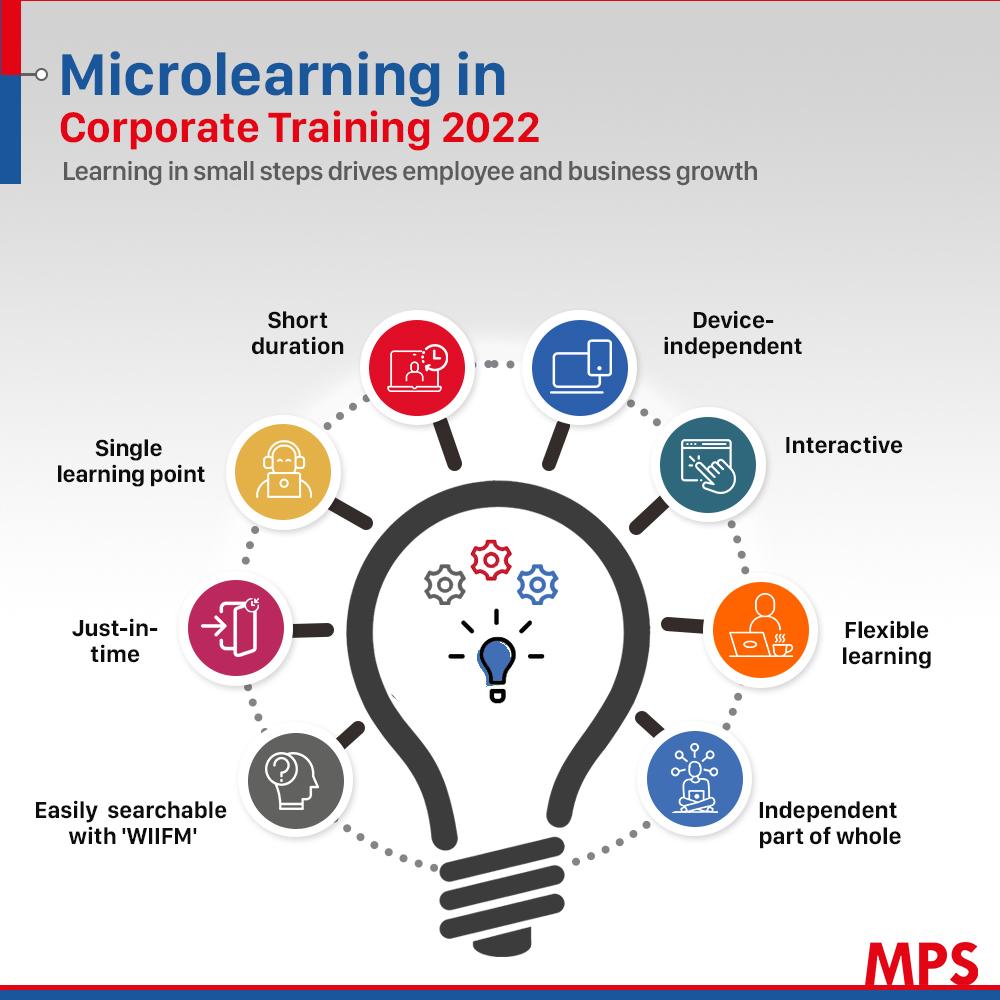
Microlearning is an employee training approach that delivers content in small, focused chunks, usually lasting between 3 to 7 minutes. Unlike traditional training sessions, which can take hours, microlearning modules are short and highly targeted. They frequently enough leverage multimedia formats such as videos, quizzes, infographics, or podcasts to enhance the learning experience and retention.
- Duration: Brief and easily digestible lessons
- Content: Focused on specific skills or knowledge areas
- Format: Videos, interactive modules, games, and more
- accessibility: Mobile-amiable and accessible on-demand
As companies increasingly embrace hybrid and remote work models, accessibility and adaptability have become crucial. This is where microlearning stands out as a solution for modern corporate training needs.
Key benefits of Microlearning in Corporate Training
Adopting microlearning in corporate training programs offers a host of advantages for organizations and employees alike:
1.Boosts Employee Engagement
- Short, interactive modules keep learners interested.
- Employees can learn at their own pace, improving motivation.
- Gamified elements and instant feedback enhance participation.
2. Accelerates Skill Development
- Frequent, just-in-time training helps employees apply new skills faster.
- Targeted lessons reduce cognitive overload,aiding knowledge retention.
- Immediate reinforcement of learning through real-world tasks.
3. Improves Knowledge Retention
- Repetition and spaced learning help embed concepts into long-term memory.
- Bite-sized lessons limit information loss and make concepts easier to revisit.
4. Enhances Flexibility and Accessibility
- accessible on any device—desktop, tablet, or mobile.
- Suitable for remote and globally-distributed teams.
- Fits into busy schedules, reducing disruption to daily workflows.
5. cost-Effective and Scalable
- Lower costs of production and updating compared to traditional courses.
- Scales easily across departments and geographies.
- Reduces time employees spend away from their core work.
Practical Tips for Implementing Microlearning in Your Corporate Training Program
Ready to integrate microlearning into your training toolkit? Hear are some actionable steps:
- Identify Skill Gaps: Use employee assessments and performance reviews to pinpoint key areas for training.
- Develop Focused Content: Break complex topics into micro-topics, each addressing a specific learning goal.
- Leverage Multimedia: Incorporate videos, infographics, audio, and interactive quizzes to cater to various learning preferences.
- ensure Mobile Accessibility: Use responsive design to let employees learn on the go.
- Personalize Learning Paths: Allow employees to select modules based on their roles and development needs.
- Integrate assessments and Feedback: Short quizzes and instant feedback reinforce learning and help measure effectiveness.
- Schedule Regular Updates: Keep content fresh and relevant as organizational needs evolve.
Real-World Examples: Success Stories from Leading Companies
The power of microlearning is evident in organizations across diverse sectors. Let’s review two compelling case studies:
Case study 1: Unilever’s Global Learning Revolution
Unilever shifted its traditional classroom training to a digital-first approach, integrating microlearning modules for topics like leadership, compliance, and digital skills. The company saw:
- A 50% increase in training completion rates
- Meaningful improvements in employee engagement survey scores
- Faster onboarding for new hires worldwide
Case Study 2: Walmart’s Front-Line Workforce Upskilling
Walmart employs microlearning for frontline employees, delivering short, job-relevant lessons directly to mobile devices. This strategy led to:
- Reduced training time by over 30%
- Higher knowledge retention compared to classroom sessions
- Greater employee confidence in using new technologies and processes
first-Hand Experience: An Employee Perspective
Employees applaud the shift towards microlearning because it aligns with their preferences and daily routines. Consider Jane, a sales executive at a tech firm:
“With microlearning, I can refresh my selling skills while commuting. The quick modules fit perfectly into my schedule, so I never feel overwhelmed. My manager noted a tangible improvement in my performance within just a few weeks!”
Such testimonials highlight that microlearning empowers employees to take charge of their professional growth,making learning a continuous—and enjoyable—part of their work lives.
Microlearning vs. Traditional Corporate Training
| Microlearning | Traditional Training |
|---|---|
| Short, focused, on-demand content | Lengthy classroom sessions or e-learning modules |
| Highly engaging and interactive | Frequently enough passive, lecture-based learning |
| Flexible, mobile-friendly access | Fixed schedules and restricted locations |
| Lower cost and easy scalability | Higher development and delivery expenses |
| ongoing assessment and instant feedback | Sporadic assessment, delayed feedback |
Frequently Asked Questions about Microlearning in Corporate Training
-
Is microlearning effective for complex topics?
Microlearning works best when complex topics are broken down into smaller, manageable units. Layered, sequenced microlearning modules can gradually build a deep understanding over time.
-
How do you measure the success of microlearning?
Track completion rates, employee feedback, on-the-job performance improvements, and business KPIs related to the skills taught.
-
What industries benefit most from microlearning?
While tech, retail, and healthcare have been early adopters, microlearning is adaptable to virtually any industry seeking to boost employee engagement and skill development.
Conclusion: Embrace Microlearning for a Future-Ready Workforce
The business world is evolving,and so are employee expectations for training and development. Microlearning in corporate training programs is more than a trend—its a proven strategy to boost engagement, accelerate skill development, and drive long-term organizational success. By making learning continuous, accessible, and engaging, companies are equipping their teams with the tools they need to thrive in today’s complex workplace.
Ready to unlock the full potential of your workforce? Start small—pilot a microlearning program, listen to feedback, and iterate your approach. With the right strategy, your organization will see measurable benefits, from higher productivity to improved morale.
Microlearning isn’t just a training solution. It’s a catalyst for growth.