
Microlearning in Corporate Training Programs: Boost engagement & Performance
Corporate training has evolved rapidly with the rise of digital solutions, and one method gaining significant traction is microlearning. As organizations strive for higher employee engagement and improved performance, microlearning is revolutionizing how training content is delivered. In this in-depth guide,we’ll explore the fundamentals of microlearning,its key benefits,implementation strategies,and proven success stories to inspire your corporate training initiatives.
What Is Microlearning in Corporate Training?
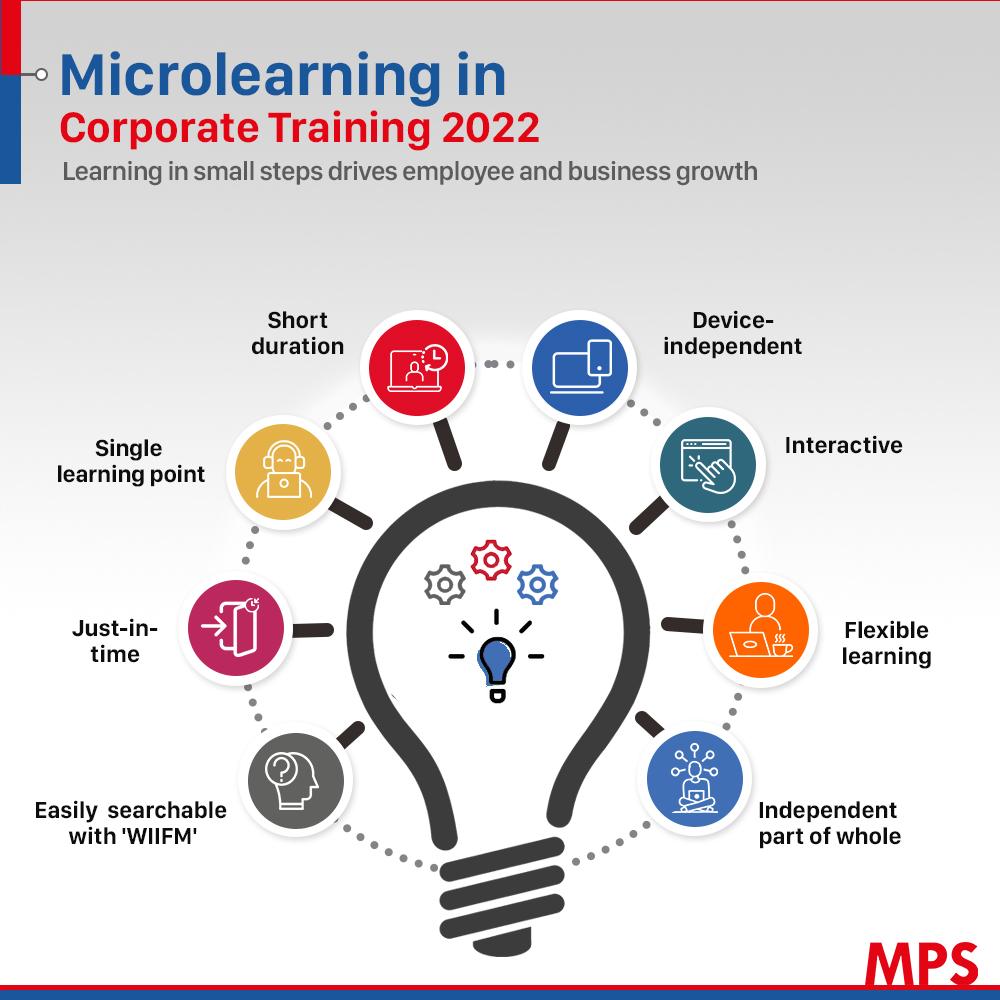
Microlearning refers to the delivery of brief, focused learning segments designed to meet specific training objectives.These concise modules—typically lasting from 2 to 10 minutes—allow employees to absorb information quickly, apply new skills immediately, and build expertise over time.
- Easy to digest: Short lessons help avoid information overload
- Accessible anytime, anywhere: Compatible with mobile and desktop devices
- focused objectives: Each module targets a single concept or skill
- Interactive formats: Videos, quizzes, flashcards, infographics, podcasts, and scenario-based tasks
Microlearning stands in contrast to traditional corporate training programs, which often involve long classroom sessions or lengthy e-learning courses. By aligning training delivery with employee schedules and preferences, organizations see improved retention rates and more productive learning experiences.
Why Is Microlearning Essential in Modern Corporate Training Programs?
Today’s workforce faces constant distractions, shrinking attention spans, and tight schedules. Microlearning caters to these realities by offering flexibility, personalization, and just-in-time learning that supports employees throughout their daily workflow. Here’s why microlearning is a game-changer for corporate training:
1. Higher Engagement Levels
- Immediate relevance: Bite-sized lessons fit seamlessly into the workday, making learning feel less like a chore and more like a helpful resource.
- Interactive elements: Gamification, quizzes, and scenario-based training spark curiosity and maintain learner attention.
2. Improved retention and Performance
- spaced repetition: Frequent, brief encounters with content help cement knowledge and skills in long-term memory.
- On-demand access: Learners can refresh their knowledge at any time, reducing forgetfulness and boosting confidence at work.
3. Greater Flexibility & Accessibility
- Mobile-friendly design: Microlearning modules optimize for smartphones and tablets,empowering remote and hybrid employees.
- Scalable deployment: Easily distribute new content association-wide and update modules as needed without major disruptions.
4. Cost-effective Corporate Training Solutions
- Lower progress costs: Bite-sized lessons require less time and resources to design, update, and deliver.
- Measurable ROI: Companies can track user engagement, progress, and skill improvements to quantify training effectiveness.
Key Benefits of Microlearning for Employee Engagement & performance
Microlearning offers tangible benefits for both employees and organizations looking to build more powerful and enjoyable training programs:
- Empowers self-paced learning: Employees control when and how they learn, reducing pressure and increasing motivation.
- Fosters active participation: Interactive modules encourage learners to try, practice, and master new skills quickly.
- Supports continuous enhancement: Ongoing access to microlearning allows employees to keep refining their skills over time.
- Enhances workplace productivity: Well-trained teams are more efficient, confident, and able to tackle challenges head-on.
A microlearning strategy makes it easy to integrate new knowledge into existing workflows—promoting a culture of learning and proactive growth.
Practical Tips for Implementing Microlearning in Corporate Training Programs
Transitioning to microlearning is easier than you might think. Here are actionable steps and best practices to help your organization make the most of microlearning:
1. Define Clear Learning Objectives
- Identify specific skills and knowledge gaps you want to address.
- Segment large topics into manageable microlearning modules.
2.Choose Engaging Formats & Delivery Methods
- Incorporate video tutorials, interactive quizzes, or scenario simulations to enhance engagement.
- Use graphic-rich flashcards and infographics for swift visual learning.
- Enable mobile access for on-the-go consumption.
3. Integrate microlearning with Existing Training Programs
- Complement long-form courses with short refresher modules.
- Blend microlearning with e-learning platforms, LMS, or intranet tools for seamless user experience.
- Gamify learning with rewards, progress tracking, and friendly competition.
4. Measure & Optimize
- Track module completion rates, quiz scores, and user feedback for ongoing improvements.
- Adjust module length, format, or topics based on employee preferences and organizational goals.
Case Studies: Microlearning Success Stories in Corporate Environments
Real-world examples demonstrate how microlearning can drive meaningful change in organizations of all sizes and industries:
Case Study 1: A Global Tech Firm Boosts Sales Team Performance
A leading technology company introduced microlearning video modules alongside its traditional product training. Sales representatives watched 5-minute videos on new features during their daily commute, resulting in a 25% increase in product knowledge scores and a 15% faster onboarding process for new hires.Engagement metrics soared thanks to the bite-sized,mobile-friendly content.
Case Study 2: Healthcare Provider Improves compliance & Patient Care
A regional healthcare network implemented microlearning on compliance protocols and patient safety. Staff accessed quick quizzes and scenario-based learning modules between shifts on their mobile devices. the initiative led to a 35% reduction in compliance violations and heightened staff confidence in following procedures.
Case Study 3: Financial Services Firm Empowers Remote Employees
Facing a transition to remote work, a financial services company launched mobile-optimized microlearning modules for core software applications and cybersecurity practices. Employees could tackle modules during downtime, and leadership tracked progress via a central LMS dashboard. The program saw a 45% improvement in self-reported employee proficiency.
First-Hand Experience: Employee Feedback on Microlearning
Employees consistently report that microlearning makes corporate training more practical and enjoyable. Common themes in feedback include:
- “I love being able to learn during my lunch break without logging into a formal course.”
- “Short lessons help me remember critically important details and put them into practice right away.”
- “Gamified quizzes make training fun and competitive.”
- “The mobile app makes it easy to refresh my skills before important meetings.”
Championing microlearning from the ground up creates a positive learning culture that drives productivity and job satisfaction across the organization.
How to Get Started: Microlearning Platforms & Tools
Choosing the right microlearning platform is crucial for successful implementation. Popular tools include:
- TalentCards: Create engaging, card-based microlearning modules for mobile usage.
- EdApp: Offers gamified microlearning and easy content creation for all skill levels.
- WordPress + LMS Plugins: Build custom microlearning experiences on your website using LearnDash, LifterLMS, or WP Courseware.
Look for platforms with robust analytics, customizable templates, mobile compatibility, and integration with your existing corporate systems.
Best Practices for SEO-Optimized Microlearning Content
To maximize the impact of microlearning on your organization and its online presence, keep these SEO tips in mind:
- Naturally incorporate targeted keywords like “microlearning,” “corporate training,” “employee engagement,” and “performance improvement.”
- Use clear and descriptive header tags (
- Format content with bullet points, lists, and short paragraphs for skimmable reading.
- Apply keyword-rich meta titles and descriptions for better search engine ranking.
- Embed case studies, testimonials, and real-world examples to boost authority and trust.
Conclusion: Harness the Power of Microlearning to Transform Corporate Training
Microlearning is more than a training trend—it’s a proven strategy for boosting employee engagement, workplace performance, and organizational agility. Whether you’re launching a digital onboarding experience or building a culture of lifelong learning, microlearning empowers your workforce to stay ahead in a fast-paced business world.
By focusing on concise, relevant, and interactive modules, organizations can optimize their corporate training programs for today’s employees. Ready to make training more effective, enjoyable, and measurable? Embrace microlearning and watch your team’s performance soar!