
Microlearning in Corporate Training Programs: Revolutionizing Employee Development for Modern Workplaces
In today’s fast-paced, ever-evolving business landscape, the need for efficient and impactful employee development strategies has never been greater. microlearning has emerged as a powerful approach in corporate training programs, enabling organizations to foster continuous learning and skill enhancement among their workforce. This article delves into the world of microlearning,exploring key benefits,best practices,real-world case studies,and practical tips for integrating microlearning into contemporary workplaces.
What is Microlearning?
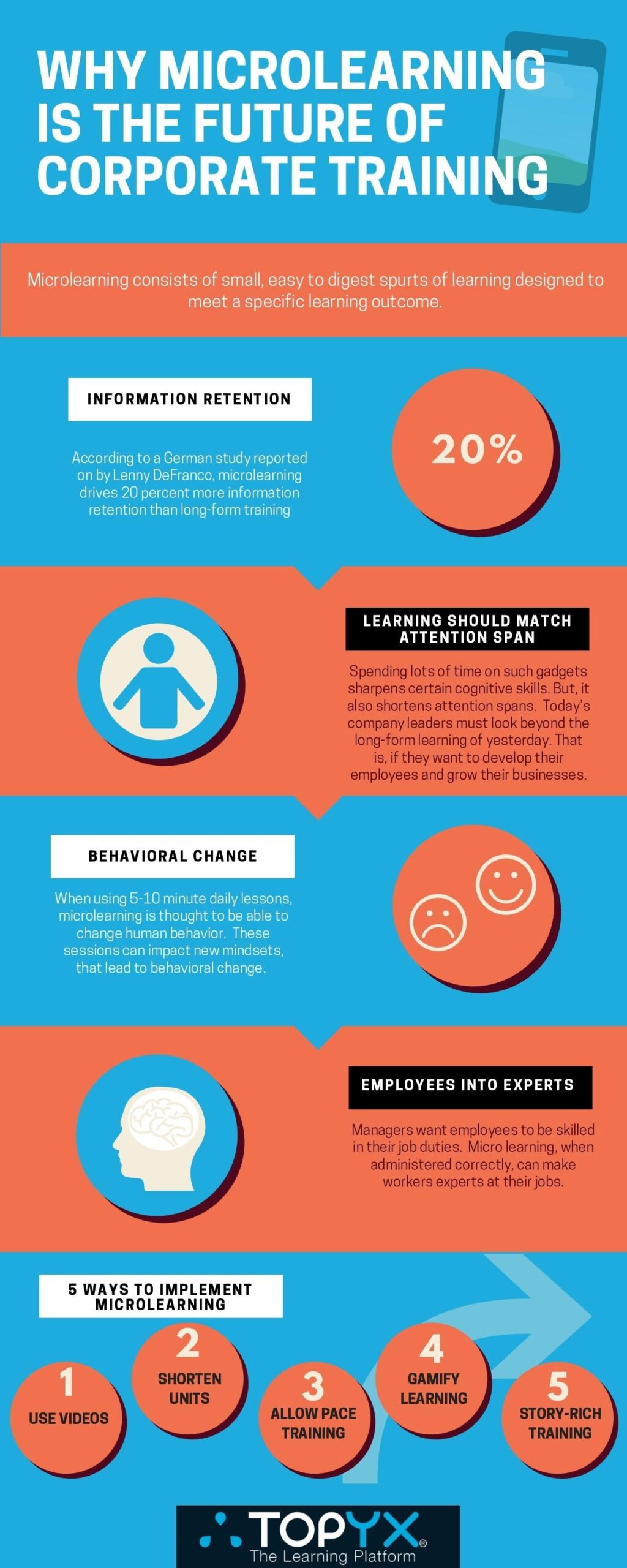
Microlearning is a modern training methodology that delivers short,targeted learning content to employees,allowing them to master specific skills or details quickly and efficiently. Unlike conventional training formats that may span hours or even days, microlearning modules typically last anywhere from a few seconds to fifteen minutes.Thes bite-sized lessons can be easily accessed via mobile devices,computers,or learning management systems,making microlearning ideal for today’s digital-first workforce.
Benefits of Microlearning in Corporate Training Programs
- increased Retention: Short, focused training segments help employees retain knowledge more effectively compared to lengthy sessions.
- Time-Efficient: Microlearning allows employees to learn without major disruptions to their workflow, fostering productivity and engagement.
- Accessibility: Digital microlearning content can be accessed from anywhere at any time, supporting remote and flexible workforces.
- Personalization: Microlearning modules can be tailored to individual needs, helping participants learn at their own pace and focus on relevant skills.
- Cost-Effectiveness: Organizations save on training costs by delivering streamlined content and reducing the need for extensive facilities or trainers.
- Continuous Learning Culture: Frequent, small-scale learning encourages ongoing development and adapts to employees’ evolving capabilities.
How Microlearning is Revolutionizing Employee Development in Modern Workplaces
Modern workplaces are characterized by rapid innovation, digital transformation, and the need for agility. Microlearning meets these demands by shifting employee development from scheduled, classroom-style sessions to continuous, on-demand learning experiences.
Key Trends Shaping the Adoption of Microlearning
- Mobile Learning: Smartphones and tablets enable just-in-time learning while on-the-go, perfectly suited for microlearning modules.
- Integration with Learning Management Systems: Companies are incorporating microlearning into existing LMS platforms for seamless tracking and analytics.
- Gamification: Adding elements like quizzes,badges,and leaderboards boosts motivation and makes learning enjoyable.
- Video-Based Learning: Short instructional videos help clarify complex topics and cater to various learning styles.
- social Learning: Collaborative platforms encourage sharing,discussions,and peer-to-peer feedback.
Practical Tips for Implementing Microlearning in Corporate Training Programs
To successfully leverage microlearning for employee development, organizations should follow strategic best practices:
- Identify Specific Learning Objectives: Define clear, measurable goals for each microlearning module to ensure relevance and effectiveness.
- Segment content Appropriately: Break down larger topics into bite-sized segments focusing on one concept or skill per lesson.
- Utilize Multi-media Formats: Mix videos, infographics, animations, and interactive quizzes to engage diverse learners.
- Enable Mobile Access: Optimize content for mobile devices to support learning on-demand, whether in the office or remote.
- Monitor Engagement and Feedback: Use analytics tools to track progress and gather insights from participants to refine future modules.
- Incorporate Gamification Elements: Boost motivation thru rewards, challenges, and leaderboards.
- Foster a Supportive Learning Culture: Encourage managers and team leads to promote regular participation in microlearning sessions.
Real-World Case Studies: Microlearning Success Stories
Let’s explore how leading companies have successfully integrated microlearning into their corporate training programs:
Case Study 1: A Global Technology Firm
Facing the challenge of upskilling thousands of employees across multiple continents, this association adopted a microlearning platform. By delivering daily, 5-minute modules focused on cybersecurity awareness and software usage, participation rates increased by 60%, and knowledge retention improved by 45%. The switch drastically reduced overall training costs and downtime.
Case Study 2: Financial Services Provider
This company aimed to keep employees up-to-date with ever-changing regulations. Through microlearning for compliance training, staff accessed short scenario-based courses via their smartphones.Faster response to regulatory changes and higher completion rates led to reduced compliance risks and better audit outcomes.
Case Study 3: Retail Chain
Training frontline employees in customer service and product knowledge proved challenging due to high turnover and diverse work schedules. Microlearning empowered associates to complete modules during short breaks, resulting in improved customer satisfaction scores and a 30% reduction in onboarding time.
First-Hand Experiences: Employee Perspectives on Microlearning
Employees consistently report positive experiences with microlearning approaches in corporate training:
- “Microlearning fits perfectly into my daily routine. I can upgrade my skills on my lunch break!” – Sales Associate
- “I don’t feel overwhelmed by long courses. Each module is focused and easy to apply at work.” – Customer Service Representative
- “the gamified modules made me more eager to learn and compete with my colleagues.” – IT Specialist
Such feedback highlights the growing appeal and efficacy of microlearning in driving employee engagement and development.
Challenges and How to Overcome Them
While microlearning offers significant advantages, companies may encounter certain challenges when integrating it into corporate training programs:
-
Content Quality: With shorter modules, ensuring depth and accuracy of information is essential.
Solution: Work with subject matter experts and instructional designers to craft concise yet comprehensive lessons.
-
Alignment with Organizational Goals: Microlearning should tie directly to business objectives.
Solution: Engage stakeholders in the design process and link modules to performance metrics.
-
Resistance to Change: Some employees may prefer traditional training formats.
Solution: Provide clear interaction on the benefits and offer blended learning options to ease the transition.
-
Technology Integration: Compatibility with current systems can be a hurdle.
Solution: Collaborate with IT teams and select microlearning platforms with robust integration capabilities.
Microlearning vs. Traditional Corporate Training Methods
| Aspect | Microlearning | Traditional Training |
|---|---|---|
| Delivery Format | Short, focused, digital modules | Long, classroom or seminar-style sessions |
| Accessibility | Anytime, anywhere, on any device | Scheduled, location-dependent |
| Engagement | High, due to gamification and interactive content | Often lower, passive learning |
| Cost | Lower, scalable | Higher, recurring expenses |
| Retention & Application | Immediate application, higher retention | Slower application, lower retention |
Best Microlearning Platforms for Corporate Training
Several top platforms offer microlearning solutions designed for enterprise environments:
- Axonify: Specializes in personalized learning experiences with gamification features.
- EdApp: Provides mobile-first microlearning with advanced analytics and templates.
- Grovo: Offers a robust library of microlearning courses for various industries.
- TalentCards: Delivers swift, flashcard-style microlearning for frontline teams.
Conclusion: Microlearning—the Future of employee Development in Modern Workplaces
Microlearning is more than just a training trend; it is indeed a proven strategy that is revolutionizing corporate training programs and employee development for the 21st century workplace. By embracing microlearning, organizations can boost workforce engagement, knowledge retention, and adaptability while reducing costs and time investment. As businesses continue to adapt to technological advancements and changing employee expectations, microlearning offers a scalable, flexible, and highly effective solution for ongoing professional growth.
Ready to transform your employee development strategy? Start exploring microlearning in your corporate training program today and empower your teams for continued success in the modern workplace.