
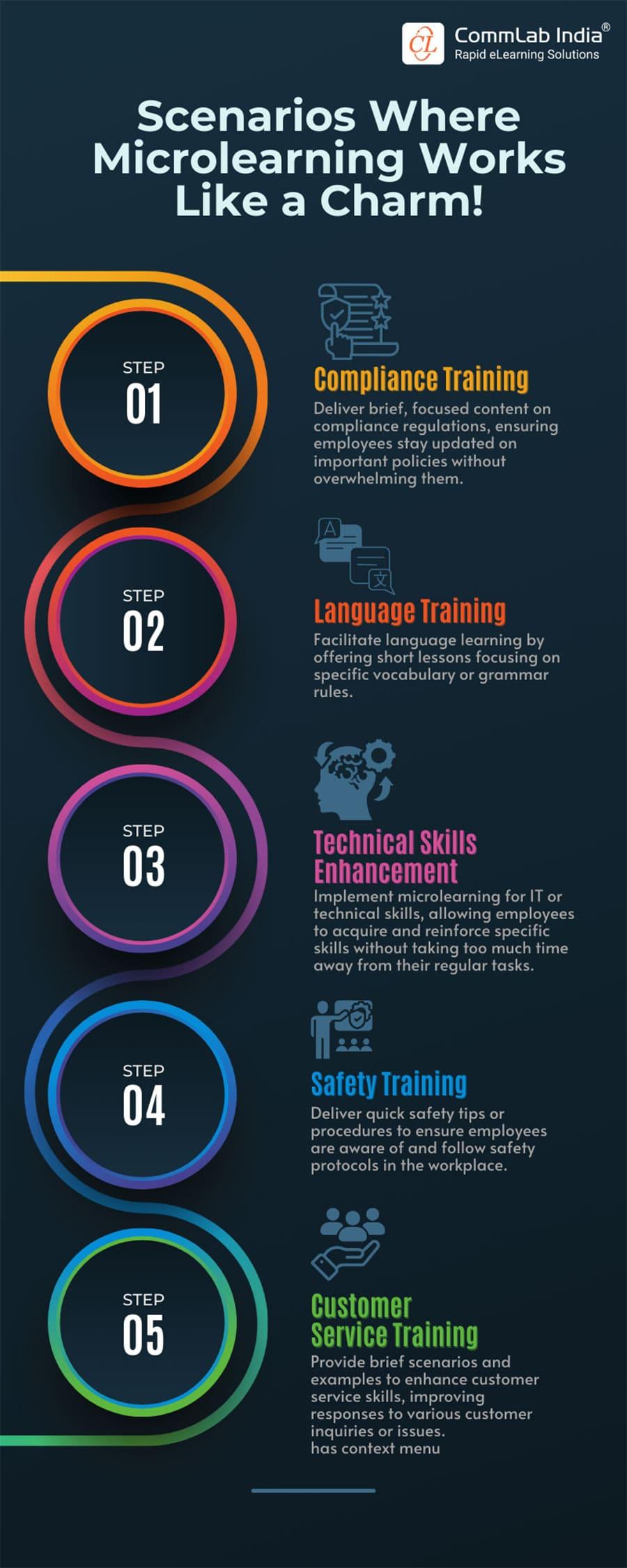
Microlearning in Corporate Training Programs: Revolutionizing Workplace learning for Maximum Impact
In today’s fast-paced business world, companies are constantly seeking innovative ways to enhance employee skills and boost productivity.One groundbreaking approach that is transforming corporate training programs is microlearning. By delivering bite-sized,focused learning modules,organizations can foster continuous professional progress,improve knowledge retention,and ensure employee engagement and satisfaction. In this article, we explore the power of microlearning in workplace training, its benefits, practical implementation tips, and real-world success stories.
What is Microlearning?
Microlearning refers to the process of providing concise, easily digestible training content in segments that typically last between three to ten minutes. Unlike conventional lengthy courses, microlearning breaks down complex topics into manageable pieces, making learning more accessible and less overwhelming for employees.
- Bite-Sized Content: Lessons focused on a single concept or skill.
- On-Demand Access: available anytime, anywhere, frequently enough via mobile devices or learning management systems (LMS).
- Interactive elements: Videos,quizzes,simulations,and infographics boost engagement.
- Just-In-Time Learning: Employees can access modules at the point of need.
Why Microlearning Matters in Corporate Training
The workplace is evolving rapidly, and employee training must adapt to keep pace.Traditional training programs often suffer from low completion rates, lack of engagement, and poor knowledge retention. Microlearning addresses these challenges by aligning with the modern learner’s preferences and business realities.
- Short Attention Spans: Employees can effectively learn in brief bursts, making training less intrusive.
- Scalability: Microlearning is easy to roll out across global teams without notable costs or logistical barriers.
- Support for Busy Schedules: employees integrate learning into daily workflows, promoting continuous development.
Benefits of Microlearning for Workplace Learning
- Improved Retention Rates: Studies show that learning in smaller segments helps employees better remember and apply concepts.
- Higher Engagement: Interactive, multimedia-rich microlearning keeps learners motivated and attentive.
- Personalized Learning Paths: Employees can choose modules relevant to their roles and career goals.
- Faster Upskilling: organizations address skill gaps quickly with targeted microlearning modules.
- Cost-Effective: Minimal resources required for production, deployment, and ongoing updates.
- Performance Support: Employees can revisit modules as needed, reinforcing learning over time.
“Microlearning empowers our teams to learn on the go, apply knowledge instantly, and stay motivated.As a result, we’ve seen a 30% increase in training engagement and measurable performance improvements.” — HR Director, Fortune 500 Company
How to Implement Microlearning in Corporate Training Programs
Introducing microlearning into your corporate training program requires strategic planning and a thorough understanding of your association’s goals and employees’ learning needs. Here are some best practices to maximize impact:
1. Define Learning Objectives
- Identify specific skills or knowledge areas to target.
- Align microlearning modules with business objectives and competency frameworks.
2. Choose the Right Content Format
- Use videos, infographics, podcasts, and interactive quizzes for maximum engagement.
- Design content that is visually appealing and culturally relevant.
3.Integrate with Technology platforms
- Leverage mobile learning apps, cloud-based LMS platforms, or intranet systems for easy access.
- Automate learning paths and track employee progress using analytics tools.
4.Encourage Just-in-Time Learning
- Deliver modules close to the point of need (e.g., compliance updates, new software rollouts).
- Facilitate continuous feedback and knowledge reinforcement through follow-up quizzes or discussions.
5. Foster a Supportive Learning Culture
- Promote microlearning as part of daily workflows.
- Recognize and reward participation to motivate learners.
Case Studies: Microlearning in Action
Global Tech Firm: Accelerated Software Training
A leading technology company transitioned from full-day seminars to microlearning modules for its software updates. By using short video tutorials and quick quizzes, employee proficiency increased by 25%, while training times decreased by 40%. The company reported a significant boost in productivity and reduced support tickets.
Retail Chain: Compliance Training Revamped
A large retail organization adopted microlearning for annual compliance training. Employees accessed modules on their smartphones during breaks, resulting in a 98% completion rate, compared to just 60% for previous classroom sessions. Knowledge assessments showed measurable improvement in compliance understanding.
Healthcare Provider: Enhancing Patient Care Skills
By incorporating microlearning into its ongoing training,a hospital improved the procedural knowledge of its nursing staff. Interactive case simulations and scenario-based modules helped staff respond effectively to real-life emergencies, leading to higher patient satisfaction results.
Practical Tips for Creating Effective Microlearning Content
- Keep it Short and Focused: Limit each module to one learning objective or topic.
- Use Rich Media: Incorporate visuals, audio, and interactive elements to address different learning styles.
- Ensure Mobile compatibility: Optimize content for smartphones and tablets for greater accessibility.
- Assess and Reward: Include quick assessments and badges to encourage ongoing participation.
- Collect Feedback: Regularly solicit input from learners to refine and improve content.
First-Hand experience: Employee Perspective
Employees often report that microlearning feels more personal and practical than traditional training. With the versatility to learn at their own pace and apply skills immediatly,employees are more likely to embrace ongoing professional development. One software engineer shared:
“Microlearning has completely changed how I approach training. Instead of sitting in long seminars, I can pick up new skills between meetings or during my commute. The interactive modules make learning fun and I can track my progress easily. It’s a win-win for me and my team.”
Conclusion: Microlearning is Shaping the Future of Workplace Learning
Microlearning is revolutionizing corporate training programs by making learning flexible, engaging, and impactful. From improved retention to higher completion rates and faster upskilling, the benefits of microlearning are clear. As organizations strive to foster a culture of continuous improvement, embracing microlearning strategies is essential for achieving maximum impact and long-term success.
Are you ready to transform your workplace learning? Start integrating microlearning into your corporate training initiatives today and experience the difference firsthand.
For more insights on workplace learning and employee development, subscribe to our newsletter or explore our extensive guides on corporate training, digital learning, and performance improvement.