
Microlearning in Education: How Small Lessons Are Shaping the Future of Learning
In today’s fast-paced,digitally connected world,the traditional landscape of education is evolving rapidly. Microlearning in education has emerged as one of the most impactful innovations, offering concise, targeted lessons that enhance engagement, retention, and accessibility. But what exactly is microlearning,and why is it gaining such traction among educators and learners alike? This article delves into the core principles of microlearning,its numerous benefits,real-world applications,and actionable tips for effective implementation. Let’s unlock how small lessons are shaping the future of learning.
What is Microlearning?
Microlearning refers to a teaching approach that delivers content in short, focused segments, typically lasting 3-10 minutes. Rather than overwhelming learners with lengthy lectures or complex modules, microlearning breaks data into bite-sized lessons that are easier to digest and remember.These micro lessons can be delivered via videos, podcasts, infographics, quizzes, or text-based content across a range of digital platforms.
- Short and focused content segments
- Accessible from multiple devices (smartphones, tablets, laptops)
- Flexible & personalized learning experience
- Just-in-time learning opportunities
Benefits of Microlearning in Education
The shift towards microlearning in education is not without reason. This innovative approach offers a multitude of benefits for both students and teachers:
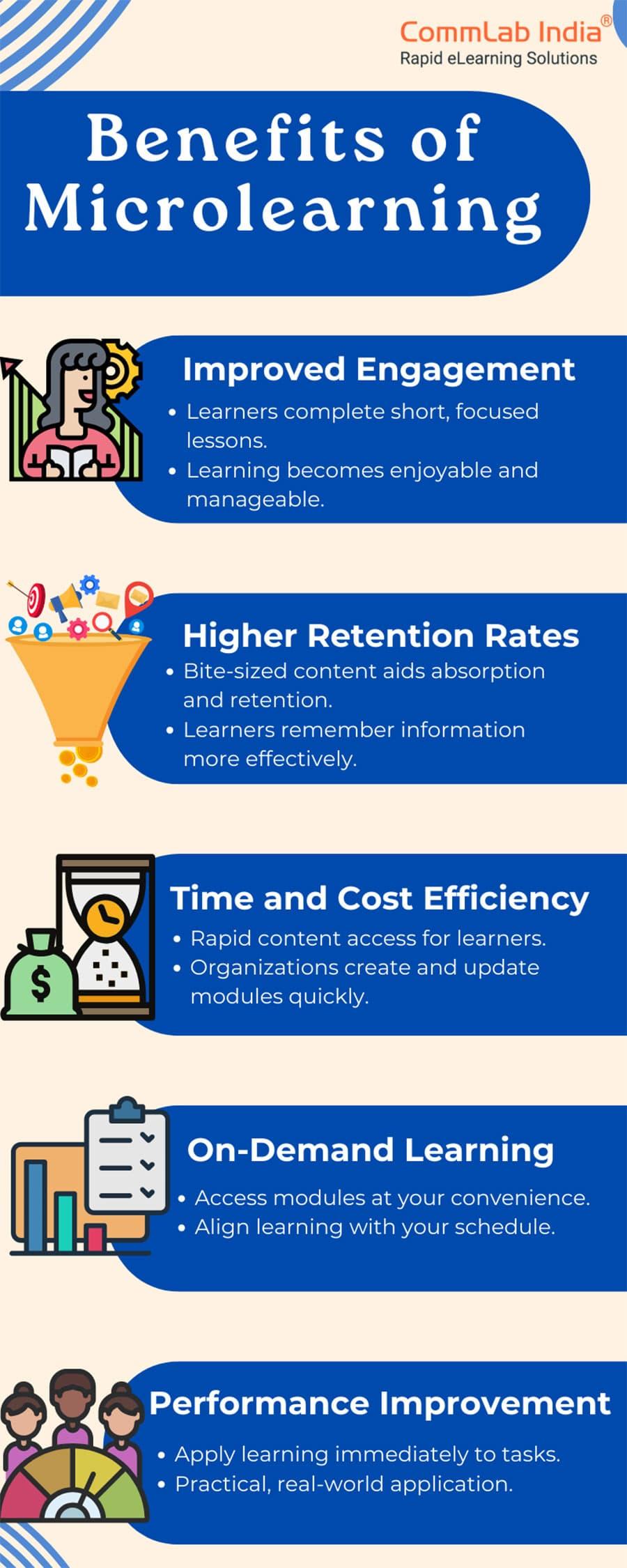
1. Enhanced Knowlege Retention
Science shows that when information is presented in smaller segments, learners are less likely to experience cognitive overload. Microlearning boosts retention rates by ensuring learners focus on one concept at a time, reinforcing knowledge through repetition and practice.
2. Increased Engagement
With the average attention span decreasing, lengthy lessons may not hold students’ interest. Microlearning leverages interactive formats—videos,quizzes,and games—offering a more engaging experience that motivates learners to participate and complete lessons.
3. Flexible and On-Demand Learning
Microlearning allows students to access content whenever and wherever they want.This learner-centric approach aligns perfectly with remote and hybrid learning models, enabling just-in-time knowledge acquisition on the go.
4. Personalization
Micro lessons can be tailored to meet the unique needs of each student, allowing teachers to address individual learning gaps effectively. adaptive microlearning platforms use algorithms to suggest relevant content, personalizing the educational journey for every learner.
5. Cost and Time Efficiency
Developing and updating microlearning modules is frequently enough cheaper and faster than producing full-length courses or textbooks. This efficiency benefits educational institutions,corporate training programs,and even autonomous instructors.
- Improved learner retention and recall
- Supports diverse learning styles
- Encourages continuous learning culture
- Facilitates assessment and feedback loops
How Microlearning is Shaping the Future of Education
As digital conversion sweeps through education, microlearning is emerging as a catalyst for change. Here’s how:
- In-Class and Remote Learning: Teachers can supplement lessons with microlearning modules to reinforce concepts, while online learners benefit from standalone micro courses.
- Mobile-frist Learning: With the proliferation of smartphones, mobile microlearning apps allow learners to study anytime, anywhere, making education more accessible worldwide.
- Data-Driven Insights: Microlearning platforms track student progress in real-time, allowing educators to personalize content and quickly address learning gaps.
- Gamification: Microlearning easily integrates game-like elements—leaderboards, badges, and rewards—boosting motivation and healthy competition.
This shift is fundamentally democratizing access to quality education,paving the way for more equitable and inclusive learning experiences.
Real-World Case Studies: microlearning in Action
Microlearning is not just a buzzword—it’s already making a difference in various educational settings. Here are a few notable examples:
Case Study 1: Khan Academy
Khan Academy pioneered the use of short, focused videos to teach complex concepts in math, science, and humanities. Students can easily revisit specific tutorials as needed, supporting self-paced and individualized learning.
Case Study 2: Duolingo
The popular language-learning platform Duolingo delivers daily language practice through bite-sized lessons and instant feedback. Microlearning allows users to fit language acquisition into their busy schedules, driving higher course completion rates.
Case Study 3: Corporate Training
Leading companies like Google and IBM have adopted microlearning for staff development and compliance training. Employees complete rapid, scenario-based lessons via apps or desktop platforms, making learning an integrated part of their workday.
Case Study 4: Higher Education
Universities such as Arizona State University are incorporating microlearning modules into degree programs. Students supplement lectures with micro lessons on critical thinking, digital skills, and career readiness, enhancing their academic and professional development.
Practical Tips for Implementing Microlearning in the Classroom
Educators and instructional designers can harness the power of microlearning by following these best practices:
- Keep Lessons Focused: Each microlearning module should address a single concept or skill.
- Use Diverse Formats: Mix videos, infographics, flashcards, and interactive quizzes to cater to different learning preferences.
- Promote Active Learning: Integrate short challenges, real-world applications, and reflective activities.
- Encourage Self-Paced Learning: Allow students to progress through micro lesson libraries as needed.
- Incorporate Regular Assessments: Short quizzes and feedback loops help solidify understanding and inform instruction.
- Leverage Technology: Utilize learning management systems (LMS),mobile apps,or dedicated microlearning platforms for distribution and tracking.
Overcoming Challenges in Adopting Microlearning
While the advantages are significant,integrating microlearning in education also comes with its set of challenges:
- Content Curation: Creating impactful micro lessons requires time and expertise to distill information without sacrificing depth.
- Assessment Alignment: Ensuring microlearning activities align with broader curriculum objectives and standardized assessments.
- Engagement Consistency: Keeping micro lessons fresh and interactive to maintain ongoing learner interest.
- Technology Access: Addressing the digital divide so all students can benefit from mobile and online microlearning platforms.
Addressing these obstacles requires collaboration between educators,instructional designers,administrators,and policymakers to ensure quality and inclusivity.
First-Hand Experience: Testimonials from Educators
“After integrating microlearning modules into my biology class, students became more engaged and showed a 30% increase in quiz scores. Breaking down complex concepts into 5-minute videos made a huge difference.”
— Dr. Angela Martinez, High School Biology Teacher
“Microlearning has transformed our adult education program. Learners can choose when and what to study, leading to better attendance and course completion rates.”
— Dave Robson, Community College Instructor
Conclusion: Embracing Microlearning for a Future-Ready Education
As the education sector evolves to meet the needs of modern learners, microlearning in education stands out as a flexible, engaging, and effective approach. By delivering content in small, manageable segments, it empowers both teachers and students to achieve better learning outcomes, foster lifelong learning habits, and adapt to new challenges.
Whether you’re an educator, administrator, or lifelong learner, embracing microlearning could be a transformative step toward more inclusive, accessible, and personalized education. By understanding and implementing microlearning best practices,you can help shape the future of learning—one small lesson at a time.