
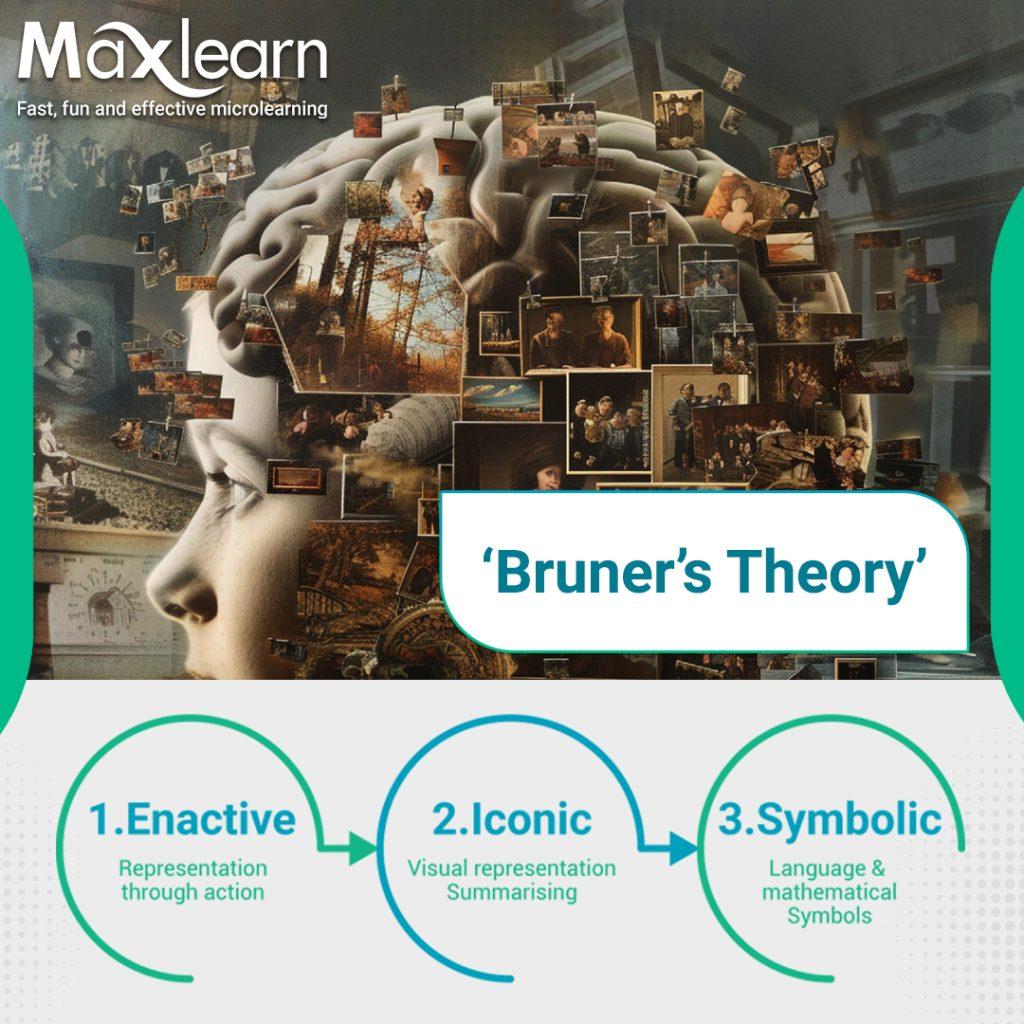
Microlearning in Education: Key Trends Shaping Its future
Microlearning in education is revolutionizing conventional learning methods and reshaping how students and professionals acquire knowledge. As the digital era accelerates,educators,instructional designers,and trainers are increasingly shifting toward bite-sized,focused education experiences that cater to modern learner preferences. In this comprehensive article,we’ll explore the key trends in microlearning,its benefits,practical applications,case studies,and what the future holds for this transformative learning strategy.
Understanding Microlearning: What Is It?
Microlearning refers to delivering educational content in small, easily digestible segments. Typically lasting between 2 to 10 minutes, these learning units are designed to meet specific objectives quickly and efficiently. Microlearning is often digitally enabled, making it a cornerstone of online education, eLearning platforms, and mobile learning.
- Short video tutorials
- interactive quizzes and games
- Infographics and summary sheets
- Scenario-based simulations
Key Trends Shaping the Future of Microlearning in Education
1.Mobile-First Learning Experiences
The rapid proliferation of smartphones and mobile devices has made mobile learning an essential aspect of microlearning. Students and professionals now expect to access learning materials on-the-go,and platforms are optimizing content for smaller screens,touch interactions,and offline accessibility.
2. Artificial Intelligence and Personalization
AI-powered microlearning platforms use data analytics to tailor content to each learner’s strengths, weaknesses, and preferences. Adaptive algorithms can recommend personalized lessons, track progress, and provide real-time feedback, making learning more relevant and efficient.
3. Integration of Gamification
Gamification in microlearning uses game-like elements – such as points, badges, and leaderboards – to boost engagement and motivation. this trend makes learning more interactive and enjoyable, leading to better knowledge retention and course completion rates.
4. Microlearning for Just-in-Time Training
Educational institutions and businesses are leveraging just-in-time microlearning to provide on-demand access to crucial facts. Employees and students can quickly upskill in response to immediate challenges, such as new software rollouts or changes in compliance regulations.
5. Multimodal and Bite-Sized Content Formats
The future of microlearning in education will offer even more diversified content formats:
- Short, animated explainer videos
- Micro-podcasts
- Chatbot-based learning assessments
- Interactive eBooks and flashcards
6. Learning Experience Platforms (LXPs)
LXPs aggregate microlearning modules from multiple sources, facilitate social learning, and provide analytics on user engagement. These platforms give learners autonomy in shaping their own educational journeys.
Benefits of microlearning in Education
- Increased Retention: Short, focused content helps learners remember information more effectively than traditional long-form lessons.
- Higher Engagement: Interactive and varied formats maintain attention and reduce learning fatigue.
- Adaptability: Learners can study at their own pace and fit learning into busy schedules.
- Cost-Effectiveness: Microlearning requires fewer resources and can be easily updated, reducing training and growth costs.
- Immediate Application: Learners can quickly apply new knowledge to real-world situations, boosting confidence and productivity.
Practical Tips for Implementing Microlearning
- Define Clear Learning Objectives: Each microlearning module should focus on a single goal or concept.
- Leverage Multimedia: Combine videos, images, interactive elements, and audio to cater to varied learning styles.
- encourage Active Participation: Use quizzes, polls, and scenarios to get learners involved actively.
- Analyze Data: Utilize built-in analytics to track engagement and adapt content accordingly.
- Solicit Feedback: Regularly ask learners for input on content effectiveness and usability.
Case Studies: Microlearning Success Stories
Case Study 1: microlearning in Higher Education
At a leading university, educators integrated microlearning modules into an introductory psychology course. Students could access 5-minute video lessons on complex concepts supplemented by speedy quizzes. The result: a 25% increase in exam scores and higher course satisfaction ratings compared to previous traditional lecture formats.
case Study 2: Corporate Training Transformation
A multinational IT corporation revamped their onboarding program using microlearning delivered via a mobile app. Employees completed short units on compliance, safety, and product knowledge at their convenience. Completion rates soared from 62% to 97%, and post-training evaluations indicated improved understanding and application in daily tasks.
First-Hand Experience: Educator’s Perspective
“I’ve witnessed firsthand how microlearning revolutionizes classrooms,” says Sarah Lee, an instructional designer at a major community college. “Students appreciate the flexibility, and I love how the analytics help me tailor lessons for even better results. It’s a win-win for both educators and learners.”
Addressing challenges in Microlearning Implementation
- Ensuring Cohesion: It’s crucial to connect isolated microlearning units into a cohesive curriculum.
- Content Curation: Regular reviews are required to keep content relevant and up-to-date.
- Assessment Design: Designing meaningful assessments for short modules demands careful planning.
Overcoming these hurdles requires thoughtful instructional design and a robust feedback cycle from both learners and instructors.
The Future of Microlearning in Education
As technology evolves and educational needs continue shifting, microlearning is set to become even more central to modern learning strategies. Key innovations—such as virtual reality (VR), augmented reality (AR), and AI-driven adaptive learning paths—will further personalize and enhance the microlearning experience. Learning will become increasingly on-demand, social, and seamlessly integrated into daily routines.
Moreover, organizations and institutions will recognize microlearning as a vital component of lifelong skill development in an era where rapid upskilling and reskilling are essential. The blend of brevity, accessibility, and technological sophistication ensures that microlearning will play a defining role in the future of education.
Conclusion
Microlearning in education is more than just a trend; it’s a strategic response to the evolving needs of today’s learners. Its flexibility, scalability, and measurable results make it indispensable for schools, universities, and businesses alike. By embracing the key trends shaping microlearning’s future—personalization, mobile-first design, gamification, and more—educators and organizations can empower learners and drive success in the fast-paced digital landscape.
Whether you’re an educator, student, HR manager, or lifelong learner, now is the time to harness the potential of microlearning. With its ever-expanding impact, microlearning paves the way for smarter, faster, and more enjoyable education experiences worldwide.