
Microlearning in Education: What the Future Holds for Personalized Learning
Microlearning has emerged as a game-changing trend in the world of education, reshaping how learners engage with content and how educators design curriculum. As the demand for personalized learning experiences grows, microlearning proves to be a powerful ally, offering targeted, efficient, and engaging learning opportunities. In this article, we’ll delve into the world of microlearning in education, explore its benefits, examine current trends, review real case studies, and look at what the future holds for personalized learning.
What is Microlearning?
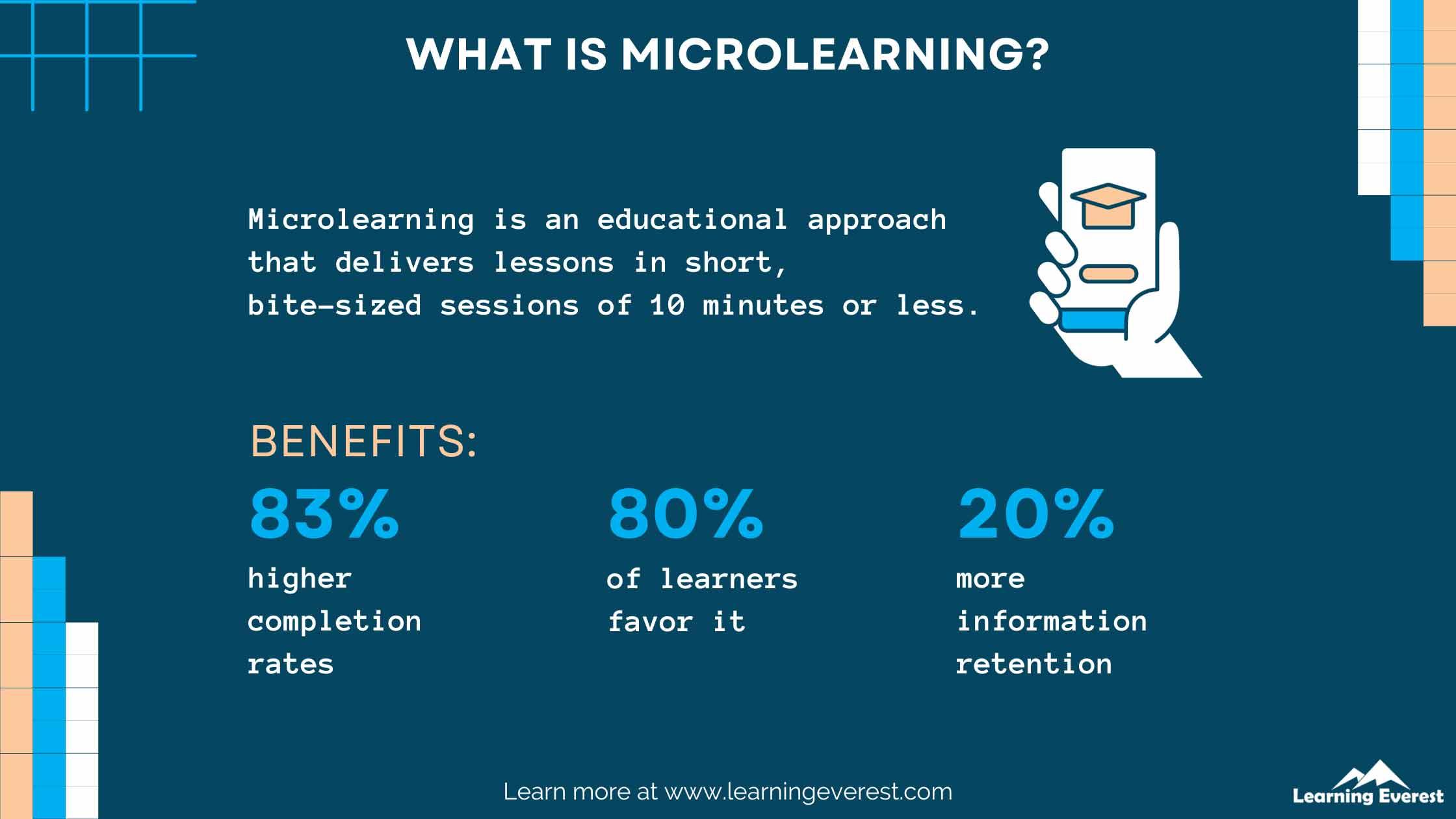
Microlearning refers to the practice of delivering educational content in small, focused segments. These “bite-sized” learning units are designed to be completed quickly—often in 5 to 10 minutes—making them highly digestible and easy to retain. Microlearning often leverages digital platforms and multimedia, enhancing both access and engagement for learners of all ages.
- Short, focused lessons or modules
- Mobile-friendly formats
- Multimedia-rich resources (videos, quizzes, infographics, podcasts)
- Self-paced, flexible access
SEO Keywords Used:
microlearning, microlearning in education, personalized learning, microlearning strategies, benefits of microlearning, education technology, future of microlearning
The Benefits of Microlearning in Modern Education
The adoption of microlearning strategies offers multiple compelling benefits for learners, instructors, and institutions alike. Below are some key advantages:
1. Enhanced Learner Engagement
Microlearning’s short bursts of content align with shorter attention spans, keeping learners focused. Regularly updated and interactive modules motivate participation and completion.
2. Improved Knowledge Retention
Facts presented in smaller segments is easier to process, remember, and recall. Revisiting microlearning modules strengthens memory through repetition and reinforcement.
3. Personalization and Adaptability
Microlearning enables highly personalized learning experiences, allowing learners to select topics, pace, and formats that suit their preferences and learning goals. This flexibility is invaluable for both K-12 and adult learners.
- self-paced modules accommodate diverse learning styles
- Content can be tailored to individual skill gaps or career needs
4. Accessibility and Scalability
Digital microlearning materials are easily accessible across devices, supporting inclusive and remote learning. Institutions can rapidly deploy updates and new content, making microlearning highly scalable.
5. Cost-Effective Implementation
Compared to customary classroom instruction, microlearning is often more affordable to produce and update, making it suitable for large-scale training in both academic and corporate settings.
Microlearning and Personalized Learning: A Perfect Match
As education shifts toward learner-centered approaches,the synergy between microlearning and personalized learning becomes increasingly evident. Microlearning delivers targeted content based on real-time learning analytics, ensuring that each learner receives tailored support and resources precisely when needed.
- Adaptive learning platforms recommend relevant micro-lessons based on student progress
- Instant feedback loops allow for rapid course correction
- Students can curate their own learning pathways
Emerging Trends in Microlearning for Education
The future trajectory of microlearning in education is shaped by ongoing technological advances and evolving pedagogical paradigms. Here are the top trends to watch:
1. AI-powered Content Personalization
Artificial Intelligence in education enables automated creation of personalized microlearning journeys. AI can analyze learner data,recommend next steps,and assess knowledge gaps,making learning more relevant and effective.
2. Mobile-First learning
As mobile device usage continues to soar, microlearning content is increasingly optimized for smartphones and tablets. Push notifications, quick quizzes, and bite-sized videos facilitate learning on the go.
3.Gamification Elements
Incorporating game mechanics like points,badges,leaderboards,and challenges boosts motivation and engagement. Gamification transforms microlearning modules into interactive experiences.
4. On-Demand and Just-In-Time Learning
Microlearning supports learners who need information at the point of need. This is crucial for workplace learning, skill refreshers, and exam prep.
5. Social and Collaborative Microlearning
Discussion boards, online communities, and collaborative projects bring social learning into the microlearning framework, fostering deeper engagement and peer-to-peer learning.
Case Studies: Microlearning in Action
Case Study 1: K–12 Personalized Learning Success
A public school district in California adopted microlearning modules in its blended learning initiative. By integrating short video lessons and practice quizzes into daily learning routines, teachers noticed a 15% advancement in test scores and a 25% increase in student engagement within six months.
Case Study 2: Higher Education Conversion
A leading university introduced microlearning to support its online degree programs. Students could review critical concepts in short, focused bursts, leading to a measurable improvement in course completion rates and learner satisfaction.
Case Study 3: Corporate training Revolution
A Fortune 500 company leveraged microlearning platforms to upskill its workforce. Employees accessed five-minute modules via mobile apps during breaks, resulting in a 30% reduction in training time and a notable increase in applied knowledge on the job.
Practical Tips for Implementing Microlearning in Education
Integrating microlearning into your classroom, school, or training program can be straightforward with the right approach:
- Start Small: Begin with a few high-quality microlearning modules targeting specific concepts or skills. Expand over time based on feedback.
- Leverage Multimedia: Use videos,interactive quizzes,infographics,and flashcards to cater to diverse learning preferences.
- Foster Interactivity: incorporate discussion prompts, peer review, and scenario-based activities for active engagement.
- Collect Feedback: Regularly gather learner input to refine content, pacing, and delivery methods.
- Integrate Assessment: Include quick assessments or knowledge checks at the end of each module.
- Monitor Progress: Use analytics to track learning outcomes and adjust pathways for greater personalization.
Firsthand Experiences: educator and Learner Perspectives
“Microlearning has transformed my classroom.Short lessons keep my students engaged, and the instant feedback lets them know where they stand. They feel more confident and motivated to learn.” — Emily R., Middle School Teacher
“I love being able to review topics on my phone during my commute. Microlearning fits my busy schedule and helps me prepare for exams effectively.” — Jason T., College Student
The Future of Microlearning and Personalized Learning
Looking ahead, microlearning will continue to play a central role in the evolution of personalized learning. With technology like machine learning, data analytics, and virtual reality, future microlearning experiences will become even more adaptive, immersive, and tailored to individual learner profiles.
- Adaptive learning technologies will offer real-time content adjustments
- Virtual and augmented reality will transform how learners interact with micro-content
- Deeper analytics will empower educators to intervene proactively
- Global access to quality education will expand as digital microlearning platforms become more widespread
Conclusion: Embracing Microlearning for a Personalized educational Future
Microlearning in education is not just a fleeting trend—it’s a foundational shift towards more personalized,accessible, and engaging learning experiences. As technology advances,educators and learners stand to benefit from increasingly individualized and dynamic microlearning opportunities. By embracing this approach today, educators can equip students and professionals with the skills they need to thrive in a rapidly changing world.
If you’re passionate about the future of personalized learning, there has never been a better time to explore and implement microlearning in your educational journey.