
Microlearning in Professional Development: Boost Skills & Career Growth Efficiently
The rapidly evolving professional landscape demands continuous learning and adaptation.Traditional lengthy training sessions are giving way to more agile, focused learning solutions. Microlearning has emerged as a powerful approach for professional development, enabling employees and professionals to boost skills and advance career growth efficiently. In this comprehensive guide, we explore what microlearning is, it’s impact on career and skills development, practical implementation tips, compelling case studies, and more.
What is Microlearning? A Modern Approach to Learning
Microlearning refers to delivering educational content in small, easily digestible segments, typically lasting between two to ten minutes.Unlike traditional methods that require extended periods of concentration, microlearning is designed for rapid consumption, retention, and application of knowledge.
- Format: Short videos, quizzes, infographics, podcasts, flashcards, and audio lessons
- Accessibility: available on-demand via digital platforms and mobile devices
- Focus: One learning objective per module
Why microlearning is Revolutionizing Professional Development
The rise of digital workplaces and remote teams has amplified the need for flexible upskilling options. Here’s why microlearning is being widely adopted for corporate training and individual growth:
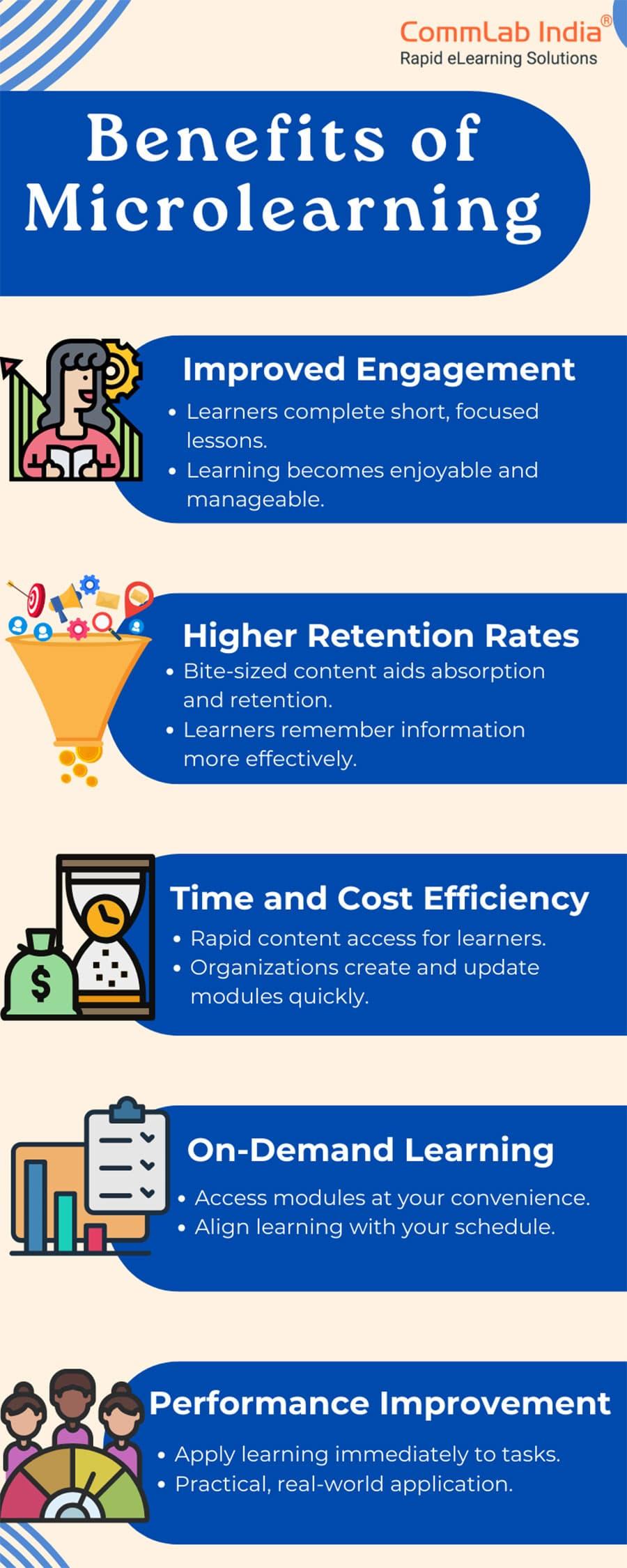
- Flexibility: Learn anytime, anywhere — perfect for busy professionals.
- Higher Retention: Short, focused modules boost memory and recall rates.
- Cost Effectiveness: Less downtime, reduced expenses compared to day-long seminars.
- Engagement: Interactive, bite-sized content encourages participation.
- Customization: Personalized learning paths based on skill gaps and goals.
- Just-in-Time Learning: Access content when it’s most needed for immediate application.
“Microlearning transformed our team’s skill development journey. We saw a 40% increase in completed courses and a marked improvement in job performance.”
— Talent Development Manager, Global Tech Firm
Key Benefits of Microlearning for Career Growth
Microlearning offers several tangible advantages that empower professionals to stay competitive and achieve their career growth objectives:
- accelerated Skill Acquisition: Quickly bridge knowledge gaps with targeted lessons.
- Boosted Confidence: Immediate learning rewards foster self-assurance and motivation.
- Continuous Learning Culture: Frequent, digestible learning sessions nurture curiosity and adaptability.
- Improved Performance: Direct application of skills learned through microlearning leads to better on-the-job results.
- Enhanced Collaboration: Shared microlearning modules facilitate teamwork and cross-functional growth.
Practical Tips for Implementing Microlearning in Professional Development
How to Incorporate Microlearning Effectively
- Identify Relevant Skills: Focus on the competencies most needed for career advancement in your field.
- Set Clear Objectives: Each microlearning module should target a specific goal or topic.
- Leverage Diverse Formats: Use interactive videos, quizzes, podcasts, and infographics to cater to various learning styles.
- Utilize Mobile Learning Platforms: Choose apps or LMS platforms that deliver microlearning content on the go.
- Track Progress: Monitor course completions, quiz scores, and knowledge retention to evaluate impact.
- Encourage Peer Participation: Share modules within teams to foster collaborative skill development.
- Continuous Feedback: Incorporate regular feedback loops to refine learning materials.
Inspirational Case Studies: Microlearning Success Stories
Case Study 1: Tech Startup Upskills Engineers Efficiently
A fast-growing software company adopted microlearning via a mobile-first platform.They replaced lengthy workshops with 5-minute lessons on emerging technologies and agile methodologies.Results included:
- 80% increase in course engagement
- Reduced onboarding time by 50%
- Improved project delivery speed by 30%
Case Study 2: Healthcare Organization Promotes Compliance & Best Practices
Facing regulatory changes, a healthcare provider used microlearning to deliver speedy compliance updates to clinicians. Key outcomes:
- Consistent adherence to new protocols
- significant decrease in compliance errors
- Positive feedback from learners on accessibility
Case Study 3: Financial Firm Cultivates Leadership Capabilities
A global financial institution designed microlearning modules for leadership and soft skills. Employee testimonies showed:
- Greater confidence in decision making
- Enhanced team management abilities
- Higher promotion rates among participants
First-Hand Experience: Microlearning from a learner’s Perspective
Real stories highlight how microlearning impacts personal growth and career trajectory. Here’s what professionals have shared:
-
“I could easily fit three-minute micro-lessons into my busy daily routine, which made learning less overwhelming and more consistent.”
-
“The instant quizzes and scenario-based modules reinforced new concepts,making it easier to apply them in real work situations.”
-
“Short videos and audio tips from industry experts kept me motivated to upskill and stay ahead in my field.”
continuous improvement becomes a habit when learning is simple, accessible, and rewarding.
choosing the Right Microlearning Platform or Tools
The effectiveness of microlearning in professional development depends on selecting the right tools. Consider these popular platforms:
- EdApp: Mobile-first microlearning with gamification features
- grovo: Customizable bite-sized training for enterprises
- TalentCards: Flashcard-based training for frontline employees
- LinkedIn Learning: Micro-courses from industry experts
- Moodle: Flexible integration of microlearning modules for teams
Before choosing any tool, evaluate user experience, analytics capability, integration options, content customization, and scalability.
Integrating Microlearning into Your Professional Development Strategy
Microlearning can be seamlessly woven into your professional development plan by following these steps:
- Audit your skill gaps using self-assessments or manager feedback.
- Set clear short-term learning milestones aligned to career goals.
- Create a learning calendar with regular microlearning sessions.
- Encourage team-wide participation for collaborative learning.
- Recognise and reward progress to maintain engagement.
Conclusion: Embrace Microlearning for Efficient Skills & Career Growth
The future of professional development is agile, personalized, and efficient. Microlearning offers a smart solution for individuals and organizations aiming to boost skills, accelerate learning, and drive career growth. by adopting microlearning strategies and the right technology, you empower yourself or your workforce to adapt swiftly, learn continuously, and succeed competitively.
Investing in microlearning isn’t just a trend—it’s a strategic move towards lifelong learning and leadership. Don’t wait for change.Take the first step in your microlearning journey today and experience the difference in skill mastery and career advancement.