
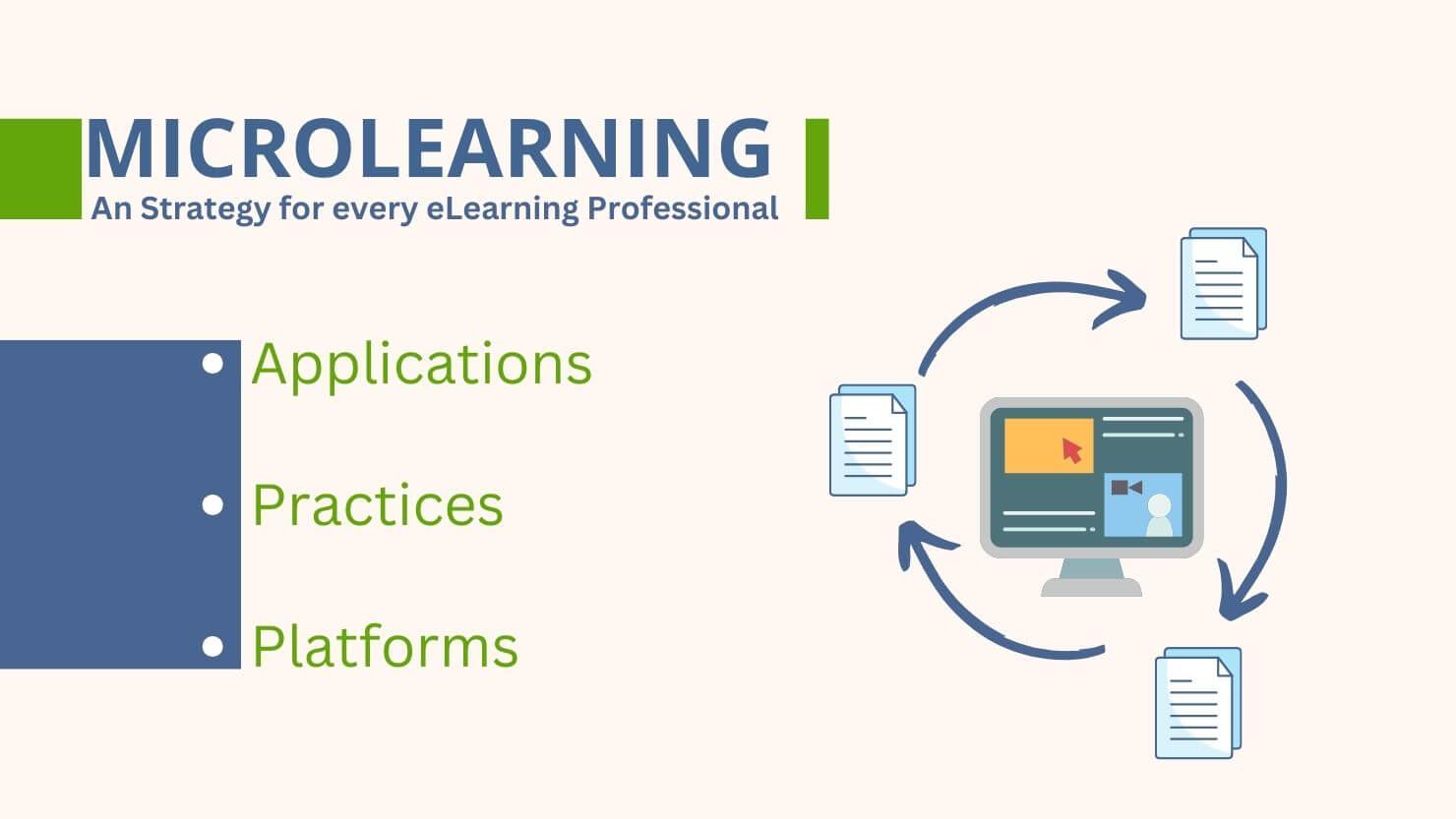
Microlearning in Professional Development: How Bite-Sized learning Transforms Workplace skills
In today’s fast-paced corporate landscape, the way we learn at work is rapidly evolving. traditional long-form training sessions are giving way to microlearning—a dynamic, flexible approach that delivers education in short, focused modules. As organizations strive for enhanced employee engagement and rapid skill development, microlearning in professional development has emerged as a game-changer, transforming both how professionals acquire knowledge and how businesses build competitive, future-ready teams.
What is Microlearning?
Microlearning refers to short, targeted learning experiences—frequently enough lasting between two and ten minutes—designed to teach a specific skill or concept. These bite-sized modules can take many forms,including videos,quizzes,infographics,podcasts,or interactive scenarios,and are typically accessible from any device,anytime.
- Flexible Delivery: Mobile apps, emails, social media, and Learning Management Systems (LMS) make microlearning instantly accessible.
- Focused content: Each lesson targets a single learning objective, ensuring data is digestible and actionable.
- Just-in-Time: Employees can access training exactly when they need it, leading to immediate productivity boosts.
Why is microlearning Vital in Professional Development?
As digital distractions increase and attention spans shrink,conventional training methods frequently enough struggle to engage learners. Microlearning bridges this gap by delivering relevant, practical content in a format today’s professionals prefer. Let’s explore key reasons why microlearning is shaping the future of workplace learning:
Reduces Cognitive Overload
By delivering core concepts in short bursts, microlearning respects human cognitive limits. Employees absorb and retain information better, reducing frustration and knowledge loss.
Fits the Busy workday
Microlearning enables employees to learn in short intervals—during breaks, commutes, or between meetings—making it easier to integrate professional development into daily routines.
Accelerates Skill Acquisition
Rapid technological changes require employees to upskill swiftly. Microlearning modules can be quickly deployed and updated, ensuring staff stay relevant and competitive.
Benefits of Microlearning in the Workplace
- Increased Engagement: Interactive and multimedia-rich content boosts motivation and keeps learners invested.
- Higher Retention Rates: Studies show learners retain up to 80% more information with microlearning, compared to traditional training.
- Cost-Effectiveness: Short modules are affordable to produce, update, and distribute, making them particularly valuable for scaling training across large organizations.
- Personalization: Employees can select modules relevant to their roles, creating a self-directed and personalized learning path.
- Better ROI: Greater knowledge retention and skill submission translate into improved job performance, enhancing the return on your L&D investment.
Real-World Microlearning Case Studies
Numerous forward-thinking companies have successfully adopted microlearning for professional development. Here are a few notable examples:
Case Study 1: Walmart’s “Spark City” App
Walmart introduced “Spark City,” a gamified microlearning app that simulates daily store tasks. New associates can complete bite-sized challenges and instantly apply concepts on the sales floor. Result? A measurable improvement in onboarding speed and customer service ratings.
Case Study 2: Google’s Whisper Courses
google offers employees “Whisper Courses”—brief, habit-forming nudges delivered via email or mobile, designed to reinforce topics like bias reduction or effective feedback. This approach ensures high participation and lasting behavioral change.
Case Study 3: Unilever’s Flexible Learning Paths
Unilever leverages microlearning modules tailored to teams across the globe. Employees can personalize their learning journeys, leading to stronger skills alignment and improved performance outcomes.
how to Integrate Microlearning Into Your Professional Development Strategy
Whether you’re an HR manager, L&D specialist, or business leader, implementing a prosperous microlearning strategy in the workplace requires thoughtful planning. Here are practical tips to get started:
- Identify Key Learning Needs: Focus on high-impact skills or knowledge gaps relevant to your business objectives.
- Chunk Content: Break down complex information into single-objective modules that can be completed in minutes.
- Use Multimedia: Combine videos, infographics, quizzes, and podcasts to cater to diffrent learning preferences and boost engagement.
- Make It Accessible: Ensure content is mobile-friendly and available on-demand. Integration with your existing LMS is a plus.
- Leverage Spaced Repetition: Reinforce learning by scheduling review modules at intervals, improving long-term retention.
- Measure Impact: Track usage, completion rates, and performance improvements to optimize your microlearning initiatives continually.
Best Practices for Creating Effective Microlearning Content
- Keep it Short: Aim for 5-7 minutes per module.
- Focus on One Learning Objective: Avoid overloading a module with multiple concepts.
- Use Real-World Scenarios: contextualize learning to workplace situations for maximum relevance.
- Incorporate Interactivity: Include polls, quizzes, or branching decision points to engage learners actively.
- Design for Mobile: Most employees access training on smartphones—optimize your content accordingly.
Overcoming Microlearning Implementation Challenges
While microlearning offers significant benefits, it’s essential to anticipate and address common barriers:
- Content Saturation: Avoid overwhelming learners with too many modules; curate and prioritize content carefully.
- Alignment with Business Goals: Ensure every module aligns with strategic objectives and delivers measurable value.
- Engagement Plateau: gamify the experience and provide positive feedback to sustain motivation over time.
First-Hand Experience: A Manager’s viewpoint
“After rolling out microlearning modules for our sales team, we noticed a 25% increase in product knowledge assessments and quicker adoption of new features. Our reps appreciated the flexibility and reported feeling more confident on client calls.”
— Emma Peters, Sales Development manager
Conclusion: The Future of Professional Development is Bite-Sized
Microlearning is much more than a buzzword—it’s a proven, effective strategy for upskilling employees and keeping pace with the demands of modern business. By adopting microlearning in professional development, organizations empower teams to learn continuously, boost productivity, and build the adaptable, skilled workforce needed for long-term growth. Whether you’re looking to transform workplace skills company-wide or simply streamline onboarding, bite-sized learning is your gateway to a more agile, engaged, and competitive organization.