
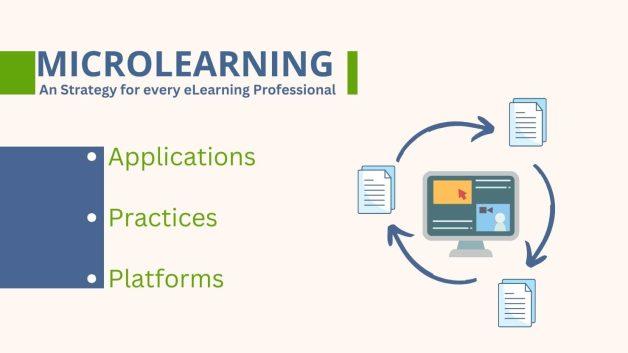
Microlearning in Professional Development: how Bite-Sized Training Transforms Workplace Skills
In today’s fast-evolving business habitat, the need for agile, effective learning solutions is greater than ever before. Microlearning—an innovative approach to professional development—delivers content in small, focused modules, making knowledge acquisition faster, more efficient, and better suited to the demands of modern professionals. In this article, we’ll explore how microlearning is revolutionizing workplace skills development, its unique benefits, and practical tips for seamless implementation.
What is microlearning?
Microlearning is a training method that involves delivering educational content in short, easily digestible segments—often ranging between 3 and 7 minutes per module. Unlike conventional lengthy courses, microlearning focuses on one specific learning objective at a time, allowing learners to absorb and apply new information quickly. This approach leverages technology, usually through eLearning platforms, mobile apps, and interactive multimedia, ensuring training is accessible anytime, anywhere.
- Short and Focused: Each microlearning module addresses a single skill or topic.
- Accessible on Demand: Content can be accessed on laptops, tablets, or smartphones, supporting just-in-time learning.
- Actionable Insights: Immediate feedback and application help reinforce retention.
Why Microlearning is Transforming Professional Development
As organizations strive to enhance workplace productivity, microlearning has emerged as a game-changer for professional development. Let’s dive into the core reasons why bite-sized learning is resonating with employees and employers alike.
1.Fits Seamlessly into Busy Schedules
With mounting workloads and constant deadlines, professionals often struggle to allocate time for traditional training programs. Microlearning empowers employees to learn on the go, in between tasks, reducing downtime and minimizing the disruption of daily operations.
2. Boosts Knowledge Retention
Studies show that information delivered in short, focused bursts is more likely to be retained than content in lengthy sessions. Microlearning utilizes repetition, spaced learning, and interactive quizzes to improve knowledge recall and transfer to job performance.
3. Enhances Learner Engagement & Motivation
Interactive videos, gamified elements, and knowledge checks make microlearning engaging and rewarding. Higher engagement translates to more consistent learning habits and stronger skill development.
4. Cost-Effective & Scalable
By minimizing content length and focusing on core essentials, microlearning reduces development time and delivery costs. It’s easily scalable across teams or entire organizations, making it a popular choice for companies looking to maximize training ROI.
Key Benefits of Microlearning in the Workplace
- Improved Skill Acquisition: Employees quickly learn and apply new concepts.
- Personalized Learning Paths: Modules can be tailored for different roles or skill levels, ensuring relevant content for each learner.
- Higher course Completion Rates: Smaller content units are less overwhelming and easier to complete.
- Agility in Updating Training: Rapidly changing industries require frequent content updates—microlearning simplifies revision and rollout.
- Supports Remote and Hybrid Teams: Training is accessible across devices, ideal for geographically diverse and hybrid workplaces.
Practical Tips for implementing Microlearning in Professional Development
-
Identify Specific Learning Objectives
Break complex competencies into actionable, bite-sized learning outcomes for each module.
-
Utilize Engaging Multimedia
Incorporate videos, infographics, and interactive quizzes to stimulate different learning styles.
-
Ensure Mobile Compatibility
Design modules to be responsive so learners can access content on any device.
-
Integrate with Existing LMS
Use your learning management system to organize, track, and assess microlearning modules.
-
encourage Collaboration and Feedback
Foster knowledge sharing and continuous advancement by enabling learners to rate and comment on modules.
-
Analyze Results and Iterate
Use analytics to measure engagement, progress, and outcomes—then refine your microlearning strategy accordingly.
Case Studies: microlearning Transforming Workplace Skills
1. Global Tech Firm upskills Remote Teams
A leading technology company implemented microlearning modules focused on cybersecurity awareness and software best practices. Employees completed short daily challenges via a mobile app, resulting in a 40% increase in compliance and a noticeable improvement in software adoption rates.
2. Healthcare Organization Enhances Compliance Training
By replacing lengthy seminars with a series of microlearning videos and quizzes, a healthcare provider improved their compliance training completion rates from 65% to 97%. Nurses and doctors preferred accessing concise, targeted content during breaks, leading to safer patient care and fewer policy violations.
3. Retail Chain Boosts Sales Training Outcomes
A major retailer revamped its sales training with mobile microlearning scenarios and product knowledge games.Store associates reported higher job satisfaction, better on-the-floor confidence, and an average 25% increase in upsell conversions.
First-Hand Experience: From the Learner’s Perspective
“As someone balancing multiple projects, microlearning has made professional growth manageable.I can learn a new skill over coffee, get instant feedback, and apply what I’ve learned right away. It’s a game-changer for busy professionals.” — Project Manager, Marketing Sector
Direct learner feedback like this highlights one of the most important advantages of microlearning—immediate, relevant, and actionable skill development that fits effortlessly into a demanding workday.
Conclusion: The Future of professional Development is Microlearning
Microlearning represents a shift towards more dynamic, adaptive professional development.By making workplace training efficient, engaging, and accessible, organizations empower their teams to build—and sustain—critical skills for success in the digital age. Whether you’re an HR manager looking to modernize training programs,or an employee eager to advance your career,embracing microlearning in professional development is a strategic move with lasting positive impact.
Wont to implement microlearning in your organization? Start with clear objectives, engaging multimedia, and a robust platform for delivery and feedback. Your team—and your business results—will thank you.