
Microlearning Revolution: How Bite-Sized Learning Meets the Needs of Modern Learners
are you ready to transform your learning experience? Dive into the microlearning revolution and discover why bite-sized learning is the solution for today’s fast-paced, modern world.
Introduction: What Is microlearning?
Microlearning is quickly becoming a buzzword in education, corporate training, and professional growth. But what exactly is microlearning? It refers to a learning strategy that delivers small, focused bursts of content—frequently enough designed to be completed in just minutes. This method stands in sharp contrast to conventional, lengthy training sessions and lectures.With the rise of digital technology, microlearning has evolved into a powerful tool that aligns with how modern learners consume information.
Let’s explore why microlearning is at the forefront of educational innovation, how it benefits both learners and organizations, and how you can harness its potential to supercharge your personal and professional growth.
Why Microlearning Matters for modern Learners
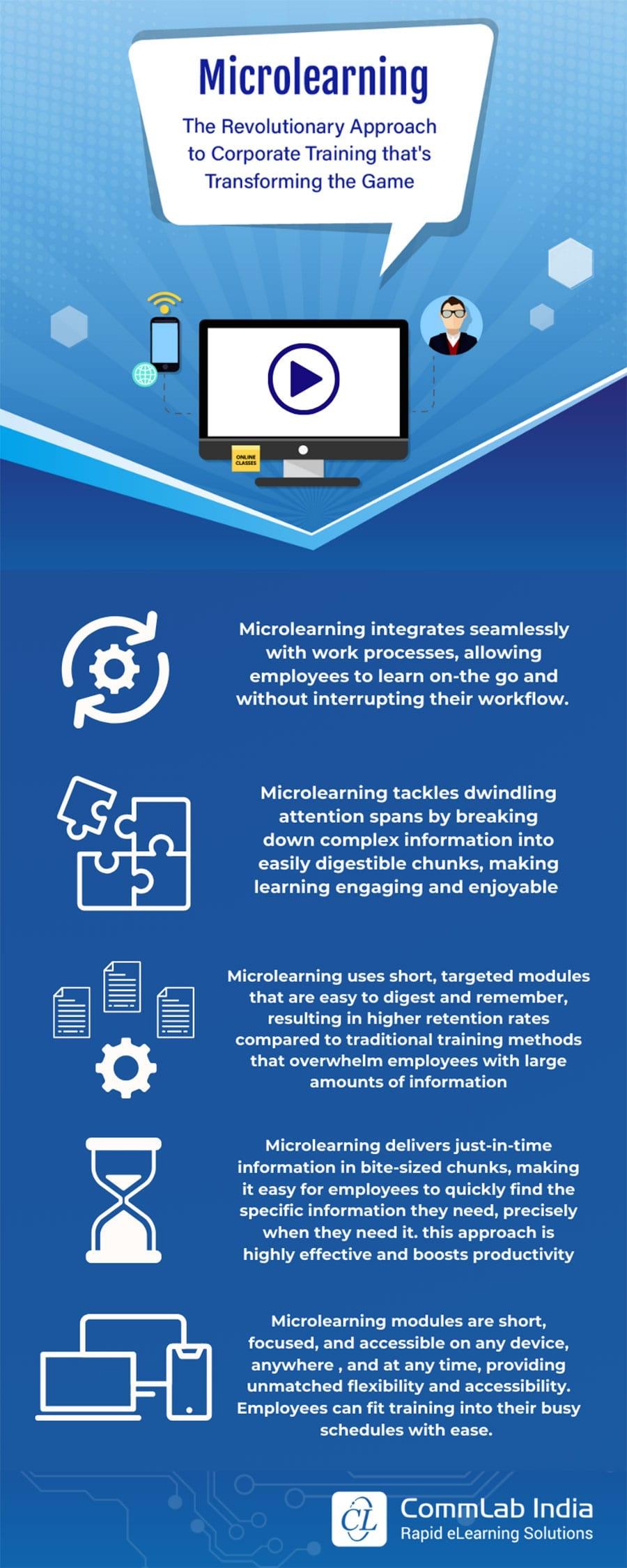
The needs of modern learners have shifted dramatically. Information overload, shorter attention spans, and demanding schedules mean that traditional learning methods often fail to engage and deliver value. Microlearning addresses these challenges by offering:
- Adaptability: Learners can access content anytime, anywhere, making learning fit their lifestyles.
- Relevancy: Content is instantly applicable and focused on solving real problems or answering specific questions.
- Efficiency: Learners spend less time on non-essential material, maximizing retention and impact.
- Engagement: Bite-sized lessons are easier to digest, more interactive, and frequently enough use multimedia to keep learners interested.
This approach aligns perfectly with remote work trends,mobile learning,and on-the-go professional development.
The Key Benefits of Microlearning
Microlearning isn’t just a trend—it’s a proven approach that offers numerous advantages for learners and educators alike. Here’s why organizations and individuals worldwide are embracing the microlearning revolution:
1. Improved Knowledge Retention
Research indicates that dividing training into small, manageable chunks leads to better long-term retention.Microlearning leverages the science of spaced repetition and active recall, helping learners remember critical information longer.
2. Just-in-Time learning
Modern employees often require specific knowledge at the exact moment of need. Microlearning enables this “just-in-time” delivery, empowering learners to solve problems immediately—whether it’s before an significant meeting, on the job, or during daily tasks.
3. Higher Engagement Rates
Short, focused lessons are more likely to capture attention than lengthy presentations. Learners are less likely to feel overwhelmed or distracted, leading to increased course completion rates and deeper engagement.
4. Scalability and Cost-Effectiveness
Microlearning modules are easy to develop, update, and distribute. Companies can create content that scales quickly across teams, departments, or entire organizations, minimizing development costs while maintaining high quality.
5. Personalized Learning Paths
Microlearning allows for the creation of customized learning journeys,catering to the unique needs and preferences of individual users.This personalization boosts motivation and makes learning meaningful.
Practical Strategies to Implement Microlearning
Ready to incorporate microlearning into your training or educational program? Here are some actionable tips to get started:
- Define Clear learning Objectives: Identify specific goals for each microlearning module to ensure focus and relevance.
- Choose the Right Format: Use videos, infographics, quizzes, podcasts, and flashcards to keep content engaging and varied.
- Leveraging Mobile Technology: Ensure your content is optimized for mobile devices so learners can access materials anywhere.
- Encourage Social Learning: Foster collaboration through discussion boards and group challenges to enhance the microlearning experience.
- Track Learner Progress: Use analytics and feedback tools to monitor engagement and measure outcomes.
- Offer Continuous Updates: Refresh and refine modules regularly to keep information current and applicable.
Case Studies: Microlearning in action
Corporate Training success Story
Company: A leading IT firm
Challenge: Rapid software updates made traditional training obsolete quickly.
Solution: The company implemented microlearning modules that were updated in real-time. Employees received five-minute video lessons whenever a new feature launched. This resulted in:
- 30% increase in training completion rates
- significant reduction in time spent away from work
- Enhanced employee competence and confidence
Education Sector Exmaple
Institution: Online language school
Challenge: Students struggled to stay motivated and remember vocabulary.
Solution: Teachers used daily “word-of-the-day” microlearning flashcards and short quizzes.The approach improved vocabulary retention by over 40%, as well as student engagement.
First-Hand Experience: Transitioning to Microlearning
“As a corporate trainer, switching from hour-long seminars to five-minute learning nuggets transformed my classroom engagement. Employees reported they felt less overwhelmed, were able to learn at their own pace, and retained information more effectively. the feedback was overwhelmingly positive, with many requesting more microlearning modules!”
Common Microlearning Platforms and Tools
The microlearning revolution has fueled the development of innovative digital tools. Some popular microlearning platforms include:
- Duolingo: language learning with bite-sized lessons
- Quizlet: Flashcards and quick review tools for various subjects
- EdApp: Corporate microlearning platform with interactive modules
- Grovo: Workplace training with short, engaging videos
These platforms make it easy to create, share, and track microlearning modules, offering seamless integration with existing Learning Management Systems (LMS).
Best Practices for Effective Bite-Sized Learning
You can maximize the impact of microlearning by following these best practices:
- Keep modules under 10 minutes.
- Use a mix of content types (text, video, interactivity).
- Focus on one learning objective per module.
- Provide instant feedback with quizzes and self-assessment tools.
- Ensure accessibility on multiple devices.
- Link microlearning chapters to larger learning goals.
Conclusion: Embracing the Microlearning Revolution
The microlearning revolution is reshaping how we learn, train, and grow. By delivering content in bite-sized, easily digestible formats, microlearning meets the unique needs of modern learners—boosting engagement, knowledge retention, and productivity. Whether you’re a teacher, professional, or organization, embracing microlearning can definitely help you respond to the challenges and opportunities of today’s fast-paced world.
Start small, iterate, and watch as the advantages of bite-sized learning transform your educational outcomes. The future of learning is here, and it’s micro—don’t be left behind!