
Microlearning Revolution: How Bite-Sized Training Meets the Modern Learner’s Needs
In today’s digital-first world, customary long-form training sessions are rapidly giving way to innovative, bite-sized learning modules. The microlearning revolution is transforming the way organizations educate,engage,and empower their teams. But what exactly is microlearning, and why is it so effective in meeting the needs of today’s modern learners?
What is Microlearning?
Microlearning refers to an approach to learning that delivers content in small, easily digestible units. These modules often run for just a few minutes, focusing on single topics or skills. Learners can access microlearning content on demand,fitting training into their busy schedules anywhere and anytime — whether using a phone,tablet,or desktop.
- short,targeted lessons (typically under 10 minutes)
- Multimedia content: video,quizzes,infographics,podcasts
- Accessible via mobile or desktop devices
- On-demand and frequently enough self-paced
Why Microlearning Is the Perfect Fit for Modern Learners
Modern learners are busier than ever. between juggling work responsibilities, personal commitments, and a constant stream of details, attention spans are shorter. This shift in learning habits has driven organizations to seek flexible and adaptive training solutions. Enter microlearning.
Main Features of microlearning for Today’s Workforce:
- Flexible Scheduling – Employees can complete modules during coffee breaks, commutes, or quiet moments at home.
- Personalized Learning Paths – Courses can be tailored to individual job roles or performance gaps.
- Immediate Apply-ability – Content focuses on practical skills and concepts that can be instantly applied.
- Engaging Formats – Interactive features like quizzes, scenarios, and gamification boost retention.
Key Benefits of Microlearning for Organizations and Learners
Embracing microlearning training offers tangible advantages for businesses and workers alike. Hear are the top benefits:
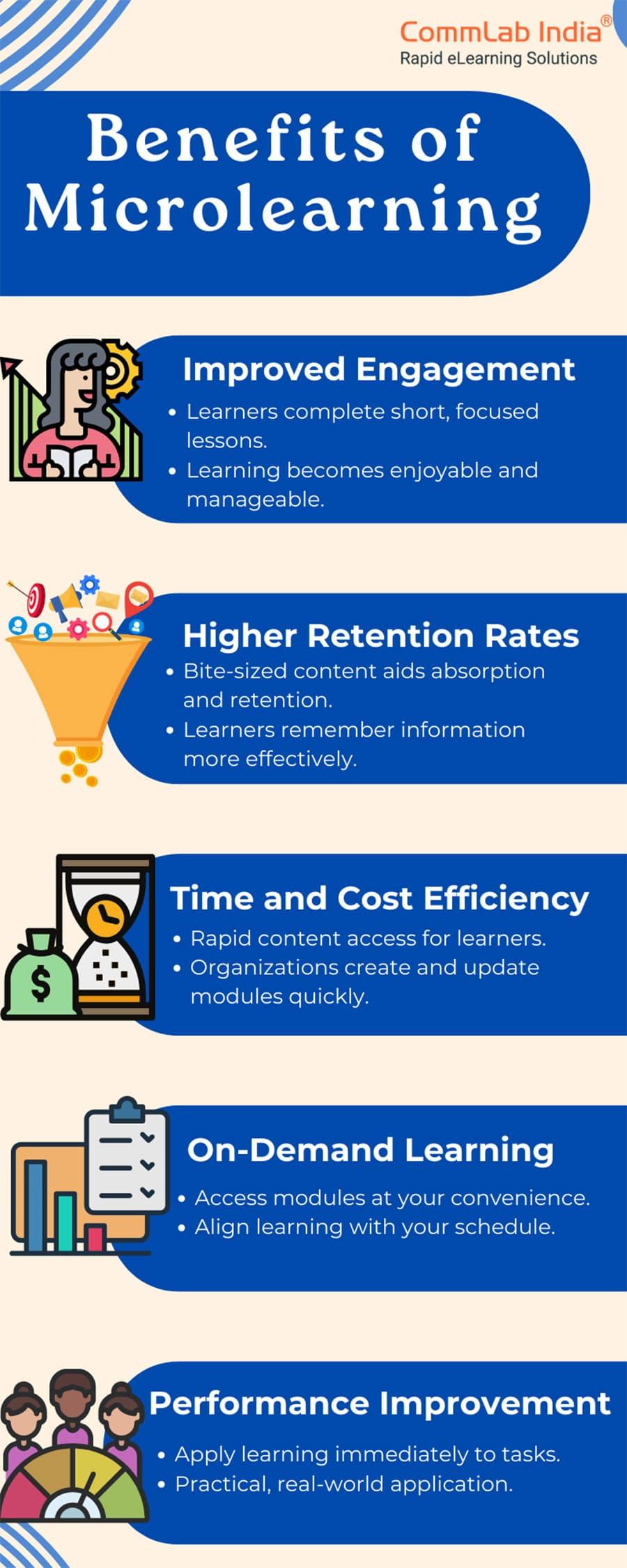
- Boosts Knowledge Retention: Bite-sized learning makes it easier to remember and apply new skills. Studies show that people learn more effectively in short bursts.
- Fosters Continuous Learning: Instead of one-off workshops, microlearning encourages steady, ongoing growth and growth.
- Saves Time and Cost: Producing shorter modules is quicker and less expensive for learning and development teams, while learners save time compared to traditional long courses.
- Increases Engagement: Interactive, multimedia modules maintain learner interest and motivation.
- Scalable and Updateable: Content can be easily updated or expanded to reflect new policies, products, or knowledge.
Microlearning vs. Traditional Training: How Do They Compare?
| Microlearning | traditional Training |
|---|---|
| Short, focused modules | Lengthy sessions or courses |
| On-demand access via mobile/devices | Scheduled, frequently enough in-person delivery |
| Just-in-time learning | Periodic learning opportunities |
| Highly engaging formats | Lecture or slide-based formats |
Practical Tips for Implementing Microlearning in Your organization
ready to launch your own microlearning program? Here are some proven tactics to help you succeed:
- Analyze Learner Needs: Identify the specific skills, knowledge gaps, or performance challenges in your workforce.
- Start Small: Select one area (such as compliance, IT skills, or onboarding) to pilot microlearning before rolling out broadly.
- Leverage Existing Tools: Use your organization’s Learning Management System (LMS) or trusted platforms like Moodle or TalentLMS to deliver content.
- Mix Up Content Formats: Combine videos, infographics, short texts, and interactive quizzes to keep things fresh and appealing.
- encourage Social Learning: Include forums, comment sections, or collaboration tools so learners can share insights and ask questions.
- Track and Optimize: Monitor completion rates,learner feedback,and assessment scores to refine your approach continuously.
Case Studies: Microlearning Success Stories
Global Tech Company Accelerates Onboarding
A leading technology firm adopted microlearning for new hire onboarding. Instead of emails and lengthy manuals, they created a series of five-minute video modules. The results? new employees completed onboarding 30% faster, with higher quiz scores and better retention of key policies.
Healthcare Provider Boosts Compliance
Faced with ever-changing regulations, a healthcare provider broke down annual compliance training into weekly bite-sized lessons. These mini-courses,delivered via mobile app,resulted in a 45% reduction in compliance errors and increased employee engagement.
Retail Brand Elevates Product Training
A national retail brand built a microlearning library for frontline staff, featuring short, interactive modules on new products. Staff reported feeling more confident when assisting customers, and in-store sales increased by 12% within three months of launch.
First-hand Experience: The Learner’s Perspective
Many employees have shared glowing testimonials about microlearning’s convenience and effectiveness. Jane, a marketing manager, notes:
“Microlearning fits into my day effortlessly. I grab a quick lesson over lunch or while commuting. It’s interactive, engaging, and I remember so much more compared to the old slide decks!”
For busy professionals and self-motivated learners, access to concise, actionable training fosters a culture of growth and continuous improvement.
Integrating Microlearning with Other Training Methods
Microlearning doesn’t have to replace every form of training. In fact, the best results can come from a blended learning approach:
- Use microlearning for foundational concepts, daily updates, or reinforcement.
- Pair with seminars, workshops, or group sessions for deeper dives and hands-on practice.
- Follow up instructor-led training with short recap modules to strengthen retention.
Microlearning and Mobile Learning: A Powerful Partnership
Mobile learning (or mLearning) is the perfect complement to microlearning. With smartphones and tablets omnipresent, learners have instant access to training, whether they’re traveling, at home, or onsite. Many leading microlearning platforms optimize content for mobile, ensuring smooth, engaging experiences on any device.
- Push notifications remind users to complete daily modules.
- Responsive design makes content accessible on all screens.
- Cloud-based LMS integration supports real-time progress tracking.
Conclusion: Embrace the Microlearning Revolution
The microlearning revolution is more than a trend—it’s a transformation in how we teach, learn, and grow at work. By providing curated, bite-sized training, organizations can meet the needs of modern learners, foster higher engagement, and drive better business outcomes.
Ready to make the shift? Analyze your learning goals, engage learners with interactive content, and harness the power of microlearning to build a smarter, more agile team.The future of training is short, sharp, and successful—are you on board?